Malaysia's agricultural marketing landscape is undergoing a significant transformation as the Federal Agricultural Marketing Authority (FAMA) reports substantial progress in its Agro MADANI Sales (JAM) programme, which has generated RM46.72 million in revenue during the first five months of 2024. This achievement, based on 1,833 programmes conducted across the nation, signals growing momentum in efforts to strengthen the nation's agri-food value chain while creating tangible economic opportunities for small and medium-sized agricultural entrepreneurs.
The JAM programme represents a strategic intervention designed to address persistent challenges within Malaysia's agricultural sector, particularly the persistent gap between primary producers and end consumers. By establishing direct-to-consumer sales platforms, FAMA has effectively shortened the distribution chain, allowing farmers and food processors to retain higher profit margins while simultaneously offering consumers fresher products at more competitive prices. This model aligns with broader government objectives to modernise rural economies and enhance food security through domestic production capacity.
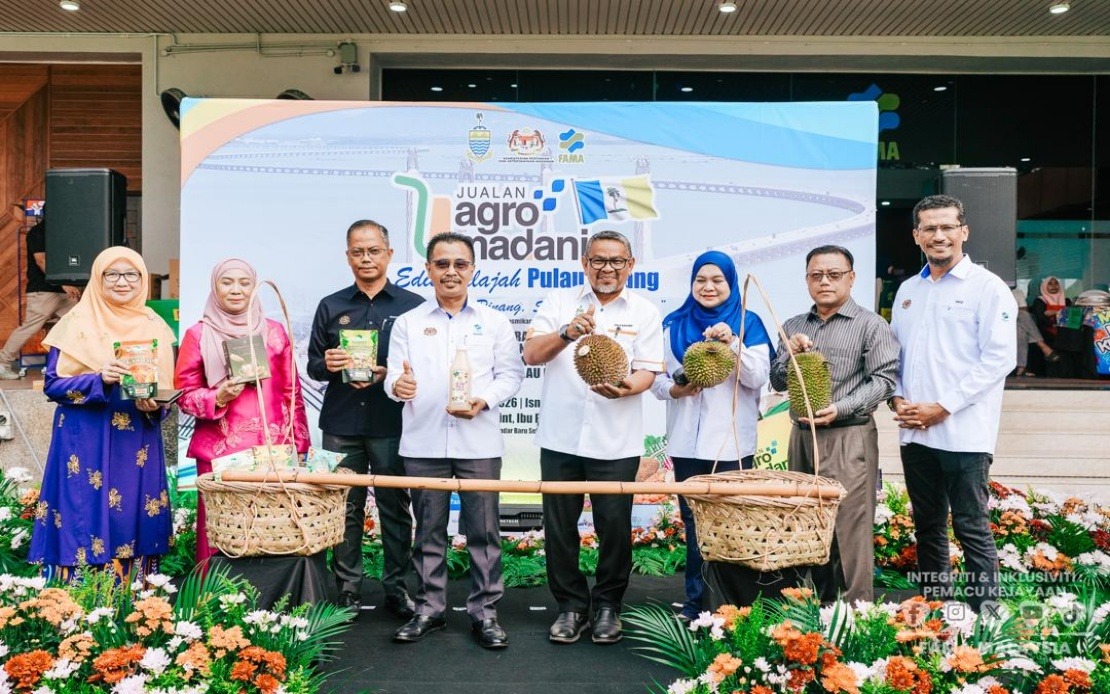
The Penang edition, organised in collaboration with the state government, exemplifies how regional partnerships can amplify the programme's reach and effectiveness. Held at FAMA's Selayang headquarters, this iteration brought together 30 Penang-based entrepreneurs managing 45 sales lots, demonstrating the programme's ability to mobilise local economic activity. The event targeted 2,000 visitors with a RM100,000 sales projection, showcasing how individual state editions contribute to the overall RM46.72 million achievement and providing valuable data on consumer preferences and purchasing patterns across different regions.
For Malaysian small and medium enterprises operating in the agricultural space, the JAM programme offers critical market infrastructure that would otherwise require substantial individual investment. Rather than shouldering the costs of establishing independent retail channels, entrepreneurs gain access to government-facilitated venues with built-in foot traffic and promotional support. This democratisation of market access becomes particularly significant for Bumiputera entrepreneurs and rural producers who traditionally face barriers to penetrating urban consumer bases, a constraint that has historically limited their commercial expansion.
The Penang edition highlighted the programme's capacity to celebrate regional agricultural specialities and culinary traditions. Premium Balik Pulau durians, specialty varieties including Black Thorn and Red Prawn durians, and Cempedak King represented high-value produce that commands strong consumer demand, particularly among affluent urban shoppers seeking premium quality. Simultaneously, the integration of iconic Penang food items such as nasi kandar, laksa, and char kuey teow created a comprehensive consumer experience that transcended mere produce marketing and tapped into cultural and gastronomic dimensions of regional identity.
The collaboration framework between FAMA, state governments, and development bodies reflects Malaysia's growing institutional sophistication in supporting agricultural entrepreneurship. The involvement of the Penang Rural Development, Agrotechnology, Food Security and Cooperatives Committee, alongside the Penang Bumiputera Development Council, illustrates how horizontal coordination across government agencies can amplify programme effectiveness. Such partnerships enable leveraging of diverse expertise and resources while ensuring that development initiatives remain responsive to local economic contexts and priorities.
From a macroeconomic perspective, the RM46.72 million figure must be contextualised within the broader trajectory of Malaysia's agricultural sector. While representing solid performance for a domestic marketing initiative, this scale of activity suggests significant untapped potential for expansion. The 1,833 programmes conducted nationwide over five months equates to roughly 367 events monthly, indicating substantial organisational infrastructure is already operational. Scaling this activity through additional venues, expanded promotion, and enhanced digital integration could substantially increase the programme's economic impact.
The initiative also addresses critical consumer welfare considerations by ensuring affordable access to fresh produce. In an era of rising living costs affecting household budgets, direct-producer sales channels offering quality food items at lower prices represent meaningful relief for urban consumers, particularly in lower-income segments. This consumer-centric dimension strengthens the programme's social legitimacy beyond its economic functions and aligns with government commitments to cost-of-living improvements.
Regional implications extend beyond Malaysia's borders, as the JAM model could inspire similar initiatives across Southeast Asia. Countries throughout the region grapple with comparable challenges of connecting rural producers to urban markets while ensuring food price stability. Malaysia's institutional framework and demonstrated execution capacity position the country to share experiences and potentially collaborate on cross-border agricultural trade initiatives that could enhance regional food security and farmer incomes across multiple economies.
Looking forward, the programme's success hinges on sustaining momentum through several critical factors. Digital integration, potentially enabling online ordering and delivery services that complement physical markets, could dramatically expand reach beyond the 2,000-visitor per-event benchmark. Enhanced data collection on consumer preferences and purchasing behaviour could enable targeted product offerings and more effective entrepreneurial support. Additionally, addressing potential gaps in cold chain logistics and product quality assurance would strengthen consumer confidence and enable expansion into higher-value agricultural sectors.
The MAD ANI initiative also presents opportunities for integration with other government economic programmes, particularly those targeting rural development and youth employment. Young agricultural entrepreneurs could view JAM platforms as entry points into commercial farming and food production, potentially reversing demographic trends of youth migration away from agricultural sectors. Strategic positioning of the programme as a career pathway rather than merely a supplementary income source could unlock significant human capital contributions to Malaysia's agricultural future.

