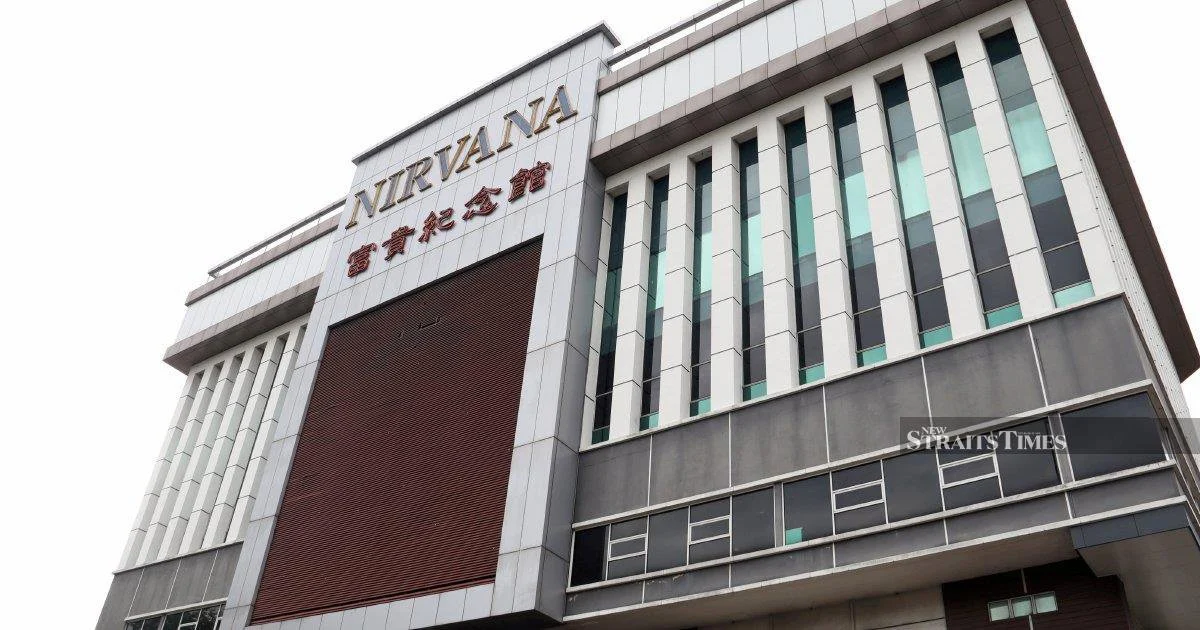
A family in Shah Alam has initiated legal proceedings against Nirvana Memorial Park (Shah Alam) Sdn Bhd following the disappearance of two urns containing the cremated remains of their deceased parents from the facility's columbarium storage area. The alleged theft, which occurred in January, has prompted the family to seek accountability through the courts, citing the memorial park's failure to maintain adequate safeguards over entrusted remains.
The case underscores a troubling vulnerability within Malaysia's funeral and cremation services industry, where facilities housing cremated remains have become targets for theft despite their sacred purpose and the profound emotional significance these items hold for grieving families. The loss of ancestral remains strikes at the heart of cultural and religious practices observed by Malaysian families across different faith communities, making security lapses at such institutions particularly damaging to public trust.
Memorial parks and columbaria across Malaysia typically charge families substantial fees for perpetual care and storage of cremated remains, creating an implicit contractual obligation to safeguard these irreplaceable items with appropriate security measures. When such breaches occur, they represent not merely a property loss but a violation of the trust families place in these institutions during their most vulnerable periods. The lawsuit reflects growing awareness among consumers about holding service providers accountable for negligence in protecting assets placed under their stewardship.
The circumstances surrounding the January theft raise critical questions about the physical security infrastructure and access control systems in place at Nirvana Memorial Park. Facilities housing valuable items, whether monetary or sentimental, are expected to maintain surveillance cameras, restricted access protocols, regular inventory checks, and clearly documented procedures for verifying the identity of individuals claiming remains. The alleged disappearance of two urns suggests potential gaps in one or more of these standard security components.
Negligence claims in such cases typically hinge on demonstrating that the facility failed to exercise the reasonable care expected of a professional institution entrusted with safeguarding irreplaceable personal property. Malaysian contract law and consumer protection frameworks recognize that service providers accepting custody of valuable items—particularly those carrying deep personal and cultural significance—must implement security measures commensurate with the value and sensitivity of what they are holding. Families pursuing such claims must generally establish that the park had a duty of care, breached that duty, and suffered quantifiable damages as a result.
The timing of this lawsuit reflects broader concerns within Malaysia's funeral services sector regarding professional standards and regulatory oversight. While the industry operates under various state-level regulations and industry associations, enforcement and standardization remain inconsistent. This case may catalyze renewed discussion about mandatory security standards, regular third-party audits, and clearer accountability mechanisms for columbaria and memorial parks operating throughout the country.
For families considering where to entrust their loved ones' remains, this incident serves as a cautionary reminder to thoroughly investigate a facility's security practices, insurance coverage, and track record before committing to long-term storage arrangements. Many reputable memorial parks maintain comprehensive insurance policies covering theft, loss, and damage, though such coverage may not fully compensate for the irreplaceable nature of cremated remains. Families should request detailed information about surveillance systems, staff access protocols, and the facility's response procedures in case of suspected theft.
The lawsuit also highlights the emotional and legal complications arising from the loss of cremated remains. Unlike other stolen property, ashes cannot be replaced or recovered through conventional means, and Malaysian families may face significant distress when unable to complete traditional funeral rites or maintain ancestral remembrance practices. This irreversible loss distinguishes such cases from ordinary theft claims and underscores why institutions in this sector must maintain exceptionally rigorous security standards.
From a regulatory perspective, this incident may prompt relevant authorities in Selangor and other states to review licensing requirements and operational standards for columbaria and memorial parks. Some jurisdictions have begun implementing mandatory security audits, staff background checks, and detailed record-keeping requirements for facilities managing cremated remains. Malaysia could benefit from similar comprehensive guidelines applied consistently across all states to ensure families have confidence in the institutions they select.
The lawsuit's outcome could establish important precedents regarding the responsibilities of memorial parks and the remedies available to families who suffer loss due to institutional negligence. If successful, the case may motivate the industry to invest more substantially in security infrastructure and professional training for staff handling sensitive operations. Conversely, it may also encourage memorial parks to enhance their liability insurance and documentation practices to protect themselves against future claims.
As Malaysia's population continues aging and cremation becomes an increasingly common practice across diverse communities, the cremation and columbarium services sector will likely expand significantly. This growth makes the present moment opportune for establishing robust industry standards that protect both families and service providers. The Shah Alam family's decision to pursue legal action represents not merely a personal grievance but a potential catalyst for systemic improvements in how Malaysia's memorial institutions safeguard the remains entrusted to their care.

