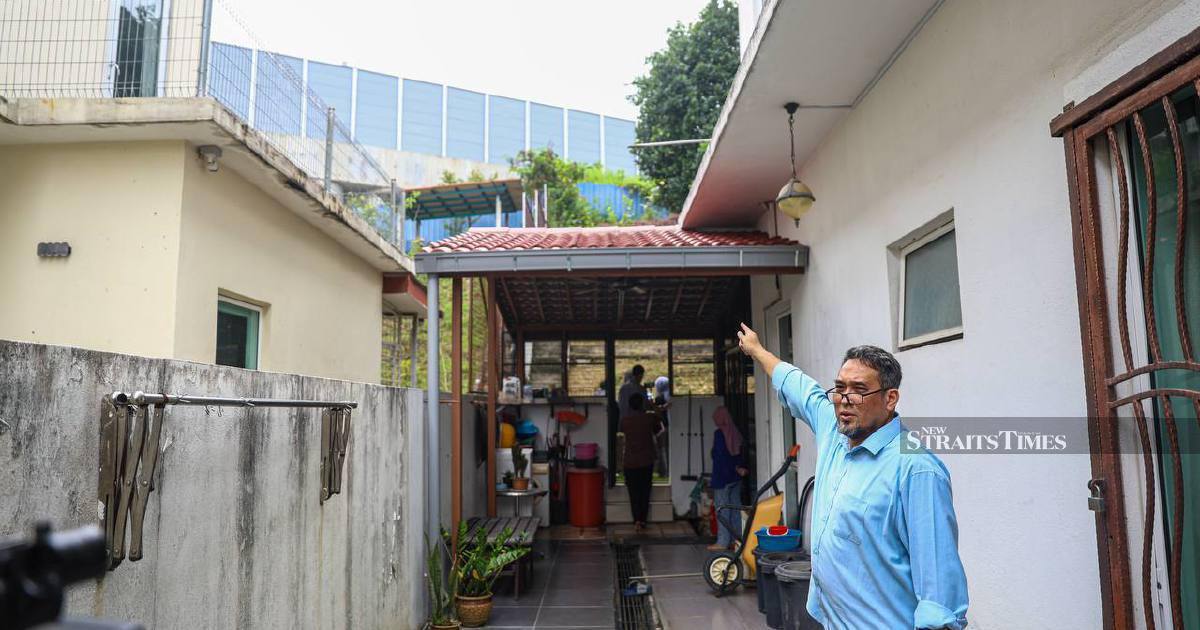
A Malaysian family has initiated legal proceedings against three parties associated with the East Coast Rail Link (ECRL) project, claiming construction activities have compromised their residence's structural integrity and created safety risks for occupants. The family is seeking RM1.33 million in damages through the court action, which represents a significant escalation in disputes arising from the high-profile infrastructure development.
The ECRL project, a flagship connectivity initiative spanning the east coast of Peninsular Malaysia, has faced increasing scrutiny in recent years regarding its impact on surrounding communities. This lawsuit highlights the human cost of large-scale infrastructure development and raises questions about how project developers and contractors manage their obligations to nearby property owners during construction phases.
Structural damage claims related to major construction projects are not uncommon in Malaysia, particularly in densely populated areas where residential properties sit in close proximity to active work sites. The family's allegation that their home has suffered compromised structural integrity suggests vibration damage, foundation settling, or other physical deterioration that they attribute directly to ECRL-related construction activity. Such claims require careful technical assessment through independent surveys and expert testimony.
The involvement of multiple defendants indicates that the family's legal strategy seeks to establish liability across the project management chain. This approach is strategic in that it distributes responsibility and increases the likelihood of recovery, as different parties may hold varying levels of accountability. In Malaysian construction disputes, courts typically examine contractual obligations, duty of care standards, and whether the defendants took reasonable precautions to minimize impact on surrounding properties.
The RM1.33 million quantum sought reflects both property damage repairs and potentially broader consequences such as diminished property value, temporary relocation costs, or ongoing mitigation measures. Quantifying damages in such cases requires expert valuations of structural repair costs and assessment of the dwelling's depreciation. The specific figure suggests the family has obtained professional assessments of their property's condition before proceeding with litigation.
This case emerges amid broader conversations about infrastructure development's social responsibility in Malaysia. The ECRL, despite its economic strategic importance, has generated competing narratives about progress versus community protection. Several construction projects across the region have similarly prompted legal action from affected residents, reflecting growing awareness of property rights and environmental justice among Malaysian homeowners.
For other residents living adjacent to active ECRL construction zones, this lawsuit may serve as both precedent and catalyst. It demonstrates that affected parties have legal recourse if they can establish causation between construction activity and property damage. The case may also encourage more systematic documentation of pre-construction property conditions and ongoing photographic or video evidence of structural changes—practices that strengthen future claims.
The ECRL project itself, managed by a consortium of Malaysian and Chinese entities, must navigate these disputes while maintaining project momentum and controlling escalating costs. Legal complications, particularly if they result in injunctions or work stoppages, can delay completion timelines and inflate project expenses. The project has already faced various challenges including route modifications and cost adjustments since its inception.
Contractors and project developers on major infrastructure schemes across Southeast Asia increasingly face heightened expectations regarding community engagement and damage mitigation. Best practice standards now emphasize pre-construction baseline surveys, vibration monitoring systems, and dedicated complaint resolution mechanisms. Whether the ECRL developers implemented such protections will likely be central to determining liability in this and potentially similar cases.
The outcome of this lawsuit carries implications extending beyond the immediate parties involved. A judgment in favor of the family could establish expectations for how future major construction projects must manage third-party property impacts and could expose developers to expanded liability exposure. Conversely, dismissal or settlement might be interpreted as upholding developer rights to proceed with projects despite foreseeable impacts on neighbors.
For Malaysian courts, the case presents an opportunity to clarify the scope of duty owed by project developers to nearby residents and to define what constitutes reasonable mitigation measures. The precedent set could influence how disputes are resolved on other active mega-projects across Malaysia, including other transportation infrastructure and industrial developments.
The family's decision to pursue formal litigation rather than seek settlement negotiations suggests either previous unsuccessful attempts at resolution or principled commitment to establishing legal accountability. The case underscores the tension between national development ambitions and individual property rights—a dynamic that will likely intensify as Malaysia pursues additional large-scale infrastructure projects to support economic growth and regional connectivity objectives.

