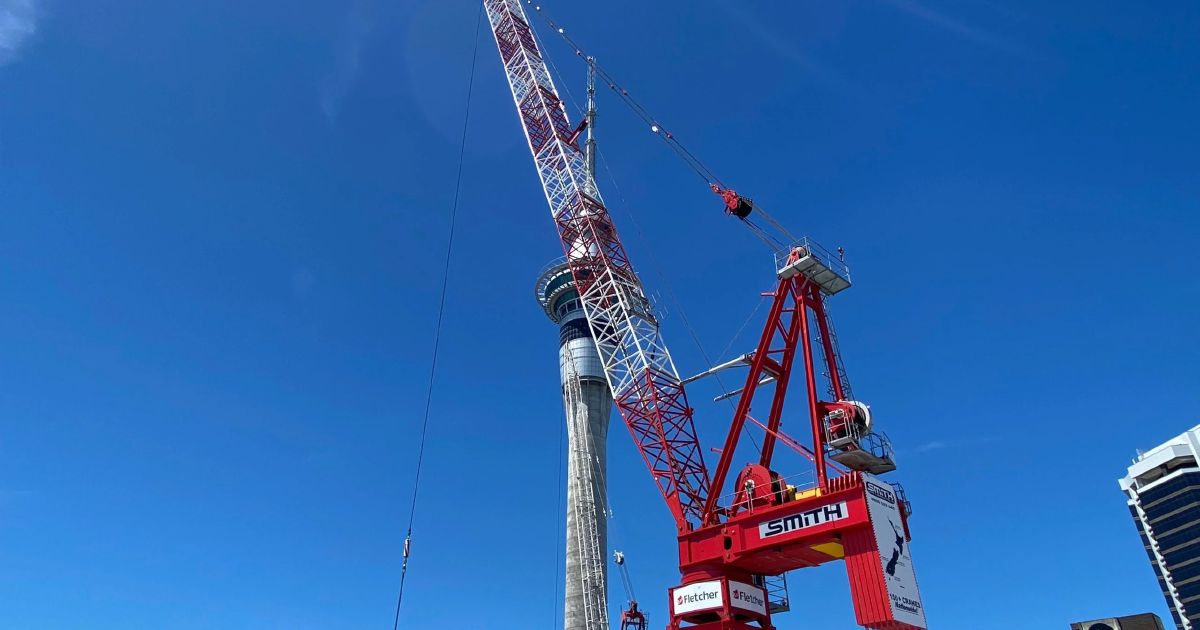
Malaysian-listed heavy machinery and crane manufacturer Favelle Favco Bhd faces potential significant financial exposure after its wholly owned American subsidiary, Favelle Favco Cranes (USA) Inc, was named among 13 defendants in a lawsuit seeking US$52.5 million in damages. The legal action relates to a crane incident that occurred in New York during July 2023, marking a serious liability challenge for the company's international operations.
The inclusion of both the parent company and its US subsidiary in the suit reflects how such incidents can create cascading legal risks across corporate structures, particularly when operations involve heavy equipment and construction-related hazards. For Malaysian investors and stakeholders monitoring Favelle Favco's performance, this litigation represents a material concern that could impact the company's financial position and operational standing in North American markets.
Crane-related incidents in major US cities typically attract substantial damage claims due to the potential for significant property destruction and personal injury in densely populated areas. New York in particular has witnessed several high-profile crane accidents that have resulted in fatalities and injuries, creating a regulatory environment and judicial precedent where courts and juries view such cases seriously. The US$52.5 million figure suggests the underlying incident involved considerable harm or damages that claimants believe warrant substantial compensation.
The fact that Favelle Favco's US subsidiary is directly implicated as a defendant, rather than just the parent company, indicates the lawsuit targets the entity responsible for the equipment's operation or maintenance. This legal strategy by claimants aims to access both the subsidiary's direct liability and potentially the parent company's deeper financial resources. The structure of the lawsuit—naming multiple defendants alongside Favelle Favco's subsidiary—is typical of construction and equipment-related litigation, where plaintiffs seek to establish liability across equipment manufacturers, operators, maintenance providers, and site supervisors.
For Favelle Favco, a company that has built its reputation on manufacturing and providing cranes and heavy lifting equipment across Asia, the Americas, and Europe, such legal challenges underscore the operational and reputational risks inherent in the machinery rental and supply business. Equipment failure or improper operation can result in not only immediate physical damage but prolonged litigation that diverts management attention and resources. The company's ability to manage this case efficiently will be important for maintaining client confidence, particularly in competitive Western markets where safety records directly influence procurement decisions.
The July 2023 timing of the incident means the lawsuit likely filed substantially later, following investigation, damage assessment, and legal preparation by claimants' counsel. This delay is common in complex construction accident litigation, as plaintiffs' attorneys gather engineering evidence, expert reports, and documentation before filing suit. The resolution timeline for such cases typically extends several years, meaning Favelle Favco may face ongoing uncertainty regarding this matter's ultimate financial and legal implications.
Insurance coverage will be a critical factor in determining whether this claim significantly impacts Favelle Favco's bottom line. Most equipment suppliers and operators maintain comprehensive liability insurance that covers incidents arising from equipment operation. However, disputes between the company and insurers over coverage scope are not uncommon, potentially leaving the company exposed to uninsured portions of any judgment or settlement.
From a regional perspective, this case is noteworthy because Malaysian manufacturing companies operating internationally face increasing exposure to foreign legal systems with different standards and damage award practices. US courts and juries, particularly in states like New York, are known for awarding larger compensation sums than counterparts in Asia, reflecting different legal philosophies regarding damages and punitive measures. Malaysian companies expanding overseas operations must factor in these legal and financial risks when establishing subsidiaries and operating equipment in developed markets.
The inclusion of 13 defendants suggests a complex incident with multiple potential points of failure or responsibility. Beyond the equipment manufacturer and operator, such lawsuits typically name general contractors, site safety officers, equipment rental companies, and other parties involved in the construction project. Determining apportionment of liability among defendants will likely form a significant part of the litigation process.
For Favelle Favco's stakeholders, transparency regarding the lawsuit's status and the company's assessment of liability exposure will be important. Malaysian-listed companies are subject to Bursa Malaysia disclosure requirements that may necessitate material announcements regarding contingent liabilities of this magnitude. Any announcement should clarify management's assessment of whether the company bears responsibility, the adequacy of insurance coverage, and the anticipated financial impact on consolidated results.
The broader context matters as well. Heavy equipment rental and supply businesses operate on relatively tight margins, and major litigation can create financial strain. However, well-established companies like Favelle Favco typically maintain sufficient reserves and insurance arrangements to weather individual claims. The key will be ensuring this litigation does not indicate systemic issues with the subsidiary's safety procedures or equipment maintenance standards that might expose the company to additional claims or regulatory scrutiny.
Moving forward, Favelle Favco should consider whether this incident reveals any gaps in its US operations' safety protocols, equipment inspection procedures, or staff training. Implementing stronger preventive measures not only reduces future liability risk but also demonstrates to clients and insurers that the company takes safety seriously—a valuable asset in competitive international markets where reputation and client confidence determine long-term business success.

