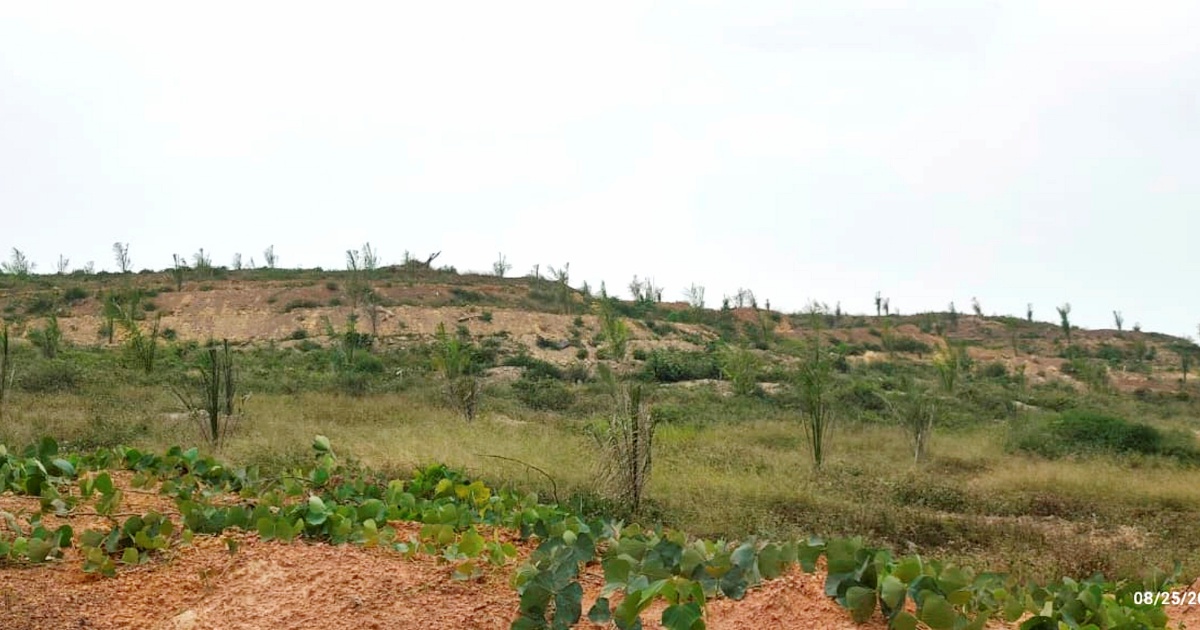
Residents of Felda Palong 7 in Jempol have escalated their grievances to the Malaysian Anti-Corruption Commission, formally reporting that they have received oil palm seedlings of inadequate quality and inconsistent standards. The complaint underscores mounting frustration among the federal land development scheme's settlers over agricultural inputs that fall short of acceptable standards for commercial cultivation.
The lodging of this report with MACC signals that local farmers view the seedling supply issue as potentially involving corrupt practices or administrative negligence rather than simple quality control lapses. By escalating the matter to Malaysia's primary anti-graft agency, the settlers are seeking independent scrutiny of procurement and distribution processes that should ensure fair dealing and proper stewardship of resources allocated to the scheme.
Felda, as the federal development authority, operates large-scale agricultural settlements across the country. Palong 7 represents one of these organised farming communities where settlers depend on institutional supply chains for critical inputs. The uniformity and health of oil palm seedlings directly affect crop establishment rates, disease susceptibility, and ultimately yield performance—making seedling quality a foundational determinant of farm viability and settler income.
Non-uniform seedlings present multiple practical difficulties for farmers operating within a structured plantation framework. Variable plant sizes and vigour complicate standardised management protocols for fertilisation, pest control, and harvesting schedules. Weaker specimens may struggle to compete, leading to gaps in the plantation canopy, reduced productive area, and extended cropping cycles. This cascading effect undermines the economic predictability that settlers require to service loans and sustain their families.
The decision to file a formal MACC complaint rather than pursue internal Felda grievance channels suggests that previous attempts at resolution may have proven inadequate or that settlers perceive systemic issues requiring external oversight. Such escalation typically reflects a loss of confidence in institutional responsiveness and points toward deeper governance concerns within supply and quality assurance frameworks.
Quality control failures in agricultural input supply chains often stem from multiple sources: inadequate nursery management, contamination or disease in seed stocks, improper handling during transport, or insufficient inspection at distribution points. Determining responsibility requires investigation into each stage of the supply pathway, from breeding programmes through to field delivery—a task suited to MACC's investigative capacity.
For Malaysia's agricultural sector, this complaint carries broader significance. Felda settlements produce substantial volumes of palm oil and employ tens of thousands of smallholder farmers. Systemic supply chain deficiencies affecting these operations threaten not only settler livelihoods but the productivity and reputation of Malaysian palm cultivation. In an era of heightened global scrutiny regarding sustainable agriculture and fair dealing, failures in supporting smallholder farmers undermine both economic and reputational interests.
The Southeast Asian palm oil industry remains globally significant, with Malaysia maintaining substantial market share despite evolving competition and sustainability pressures. Domestic production depends on the health and competitiveness of both large estates and smallholder operations like Felda. When institutional support structures falter, the entire value chain faces vulnerability, and international confidence in Malaysian production standards faces potential erosion.
Investigation by MACC will likely examine whether seedling procurement follows transparent bidding processes, whether quality specifications are clearly defined and enforced, and whether suppliers face genuine accountability for substandard deliveries. Such scrutiny can serve as a corrective mechanism, establishing clearer standards and stronger oversight that benefit not only Palong 7 but other Felda settlements experiencing similar problems.
For settlers, the complaint represents both risk and opportunity. On one hand, formalising grievances through anti-corruption channels may generate necessary institutional attention and remedial action. On the other hand, protracted investigations and potential disputes over supplier liability could create uncertainty during critical agricultural seasons when time-sensitive establishment activities must proceed.
The broader institutional context matters here. Felda has undergone various structural and governance reviews in recent years, reflecting questions about operational efficiency and financial sustainability. This seedling quality complaint adds to the roster of issues requiring management attention and suggests that quality assurance mechanisms may require strengthening across the organisation's input supply and distribution systems.
Resolution will likely require not merely identifying individual culpability but redesigning institutional arrangements to prevent recurrence. This might include clearer quality specifications, enhanced laboratory testing protocols, traceability systems, performance bonds for suppliers, and feedback mechanisms allowing settlers to report problems promptly. Such improvements would benefit the entire Felda ecosystem and contribute to more resilient agricultural institutions across the region.
Ultimately, this complaint from Palong 7 settlers underscores a fundamental tension within agricultural development: settlers cannot realise productivity gains if foundational inputs—in this case, healthy, uniform seedlings—fail to meet acceptable standards. The MACC investigation offers a chance to address this critical vulnerability and strengthen the institutional integrity upon which smallholder farmers depend.

