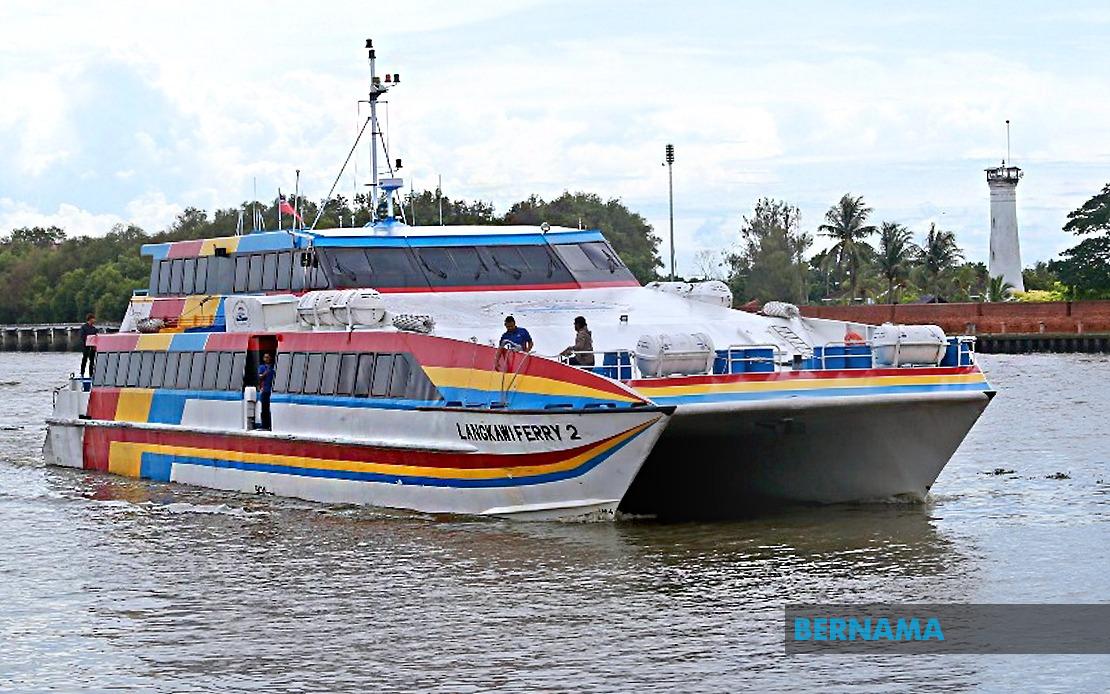
Langkawi's ferry operators have sounded an urgent alarm over the deteriorating condition of two critical shipping lanes, appealing to the federal government to prioritise dredging works before silt accumulation triggers safety hazards and operational chaos. The shallow waters in routes connecting Kuala Kedah and Kuala Perlis to the island have become increasingly treacherous, raising concerns that ferry services—which serve as the economic lifeline for Langkawi's tourism-dependent economy—could face significant disruptions.
According to Ferry Line Ventures Sdn Bhd operations manager Lieutenant Commander (Retired) Norhafiz Abdul Wahid, the problem extends beyond mere inconvenience. The mounting sediment deposits in the navigation channels pose genuine risks to passenger safety whilst simultaneously creating operational bottlenecks that undermine scheduling reliability. During Malaysia's busiest travel periods, such delays cascade through the tourism supply chain, potentially deterring visitors and dampening economic activity across the wider region.
The scale of Langkawi's ferry-dependent tourism becomes apparent when considering capacity figures. During peak seasons, these ferry services alone transport approximately 25,000 tourists daily across the two main routes: the Langkawi-Kuala Perlis corridor and the Langkawi-Kuala Kedah corridor. This staggering volume underscores why even modest delays in vessel operations translate into substantial economic consequences, affecting not just ferry operators but hotels, restaurants, retail businesses, and tourism-related services across the archipelago.
The timing of this appeal carries particular significance given Malaysia's tourism calendar. The Langkawi International Maritime and Aerospace Exhibition (LIMA), scheduled for next year, represents a marquee event that will draw international delegations, media representatives, and business leaders. Any operational disruptions to ferry services during this period could undermine Malaysia's international image and damage the country's positioning as a reliable tourism and business destination in Southeast Asia.
Norhafiz emphasised that the required solution demands more than ad-hoc intervention. Rather, comprehensive and systematically scheduled dredging operations must become routine maintenance practice to sustain safe, navigable channels year-round. This shift towards preventative maintenance reflects broader maritime management principles, where regular sediment removal costs far less than addressing crisis situations characterised by vessel groundings, emergency repairs, or temporary service suspensions.
The pressing need becomes evident when examining the current passenger demand trajectory. During the recent school holiday period spanning late August through early September, ferry operators orchestrated 176 regular scheduled trips supplemented by 66 additional sailings specifically to accommodate holiday-season and National Day crowds. This nearly 38 percent surge in service frequency demonstrates the system's capacity to flex when necessary, yet simultaneously highlights the infrastructure strain when channels operate at sub-optimal depths.
Passenger projections for this peak period tell their own story about Langkawi's tourism importance to the national economy. Approximately 90,000 travellers were expected to utilise the two primary ferry routes during this compressed timeframe, with early online ticket sales reaching 86,978 by mid-campaign. These figures represent not merely individual journeys but aggregate spending across accommodation, dining, attractions, and retail, making ferry reliability a foundational element of Kedah and Perlis' economic wellbeing.
The operators' response to anticipated demand demonstrates their operational sophistication. By promoting advance online ticket purchases through the Cuti-Cuti Langkawi application, Ferry Line Ventures attempted to manage crowd flows and reduce on-site congestion. This digital-first approach suggests operators recognise that modern tourism management requires coordinated ticketing and capacity planning, yet such systems cannot fully compensate for physical infrastructure limitations imposed by shallow, silt-clogged channels.
For Malaysian policymakers, this situation presents a clear case study in infrastructure interdependency. Tourism revenue depends on accessible transportation, which requires maintained shipping channels, which demand regular dredging investment. The ferry operators' appeal essentially articulates a straightforward cost-benefit calculus: modest annual expenditure on channel maintenance yields substantially higher returns through uninterrupted tourism flows and economic activity across multiple sectors.
The regional dimension merits consideration as well. Langkawi serves not only domestic Malaysian tourists but increasingly attracts international visitors from Thailand, Singapore, and beyond, who access the island via these ferry routes. Any restrictions or delays affecting ferry operations therefore carry implications for Malaysia's competitive positioning within Southeast Asian tourism markets, where alternative destinations actively compete for tourist spending.
Ferry Line Ventures' assurance that operational readiness would remain elevated throughout the holiday and National Day period reflects professional commitment, yet ultimately cannot substitute for adequate infrastructure. Their pledge suggests confidence in current capacity, but also implicitly acknowledges vulnerability to any unforeseen incidents or weather-related complications that could compound existing navigational hazards from the silt accumulation.
The appeal from ferry operators ultimately distils into a straightforward policy recommendation: systematic, regularised dredging maintenance represents a strategic national investment in tourism infrastructure that pays dividends far exceeding its direct costs. Without prompt federal government attention, Langkawi's ferry routes risk transitioning from reliable transportation arteries into potential operational vulnerabilities—with cascading economic consequences across Malaysia's valuable tourism sector.

