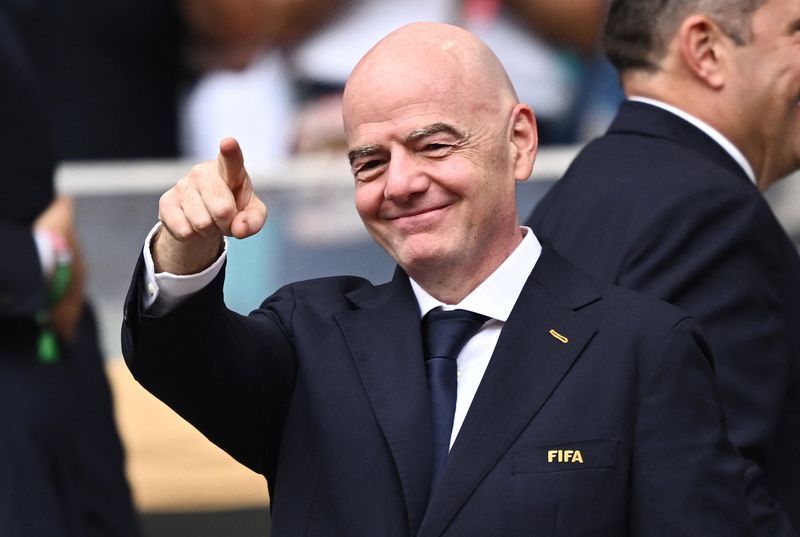
FIFA has faced criticism from human rights advocates over its handling of the 2026 World Cup expansion, which despite welcoming 48 nations for the first time in the tournament's history, was marred by exclusionary visa practices that contradicted the governing body's promises of global accessibility. The Sport & Rights Alliance levelled the charge this week that while football's international authorities promoted an open and welcoming tournament, systematic US immigration restrictions created barriers that locked out countless legitimate ticket holders and workers from attending the showcase event.
The 2026 World Cup marked a watershed moment for FIFA in terms of competitive scale, expanding the field from the traditional 32-team format to accommodate 48 participating nations. This structural change was ostensibly designed to broaden opportunities for smaller and emerging football-playing countries to compete on the world's biggest sporting stage, democratising access to a tournament that has historically favoured established footballing powers. Yet this expansion of competitive opportunity stood in stark contrast to the restrictions placed on international fans and support personnel attempting to enter the United States.
According to Ronan Evain, executive director of Football Supporters Europe, supporters from North African and Middle Eastern nations encountered nearly insurmountable obstacles in securing entry visas. He highlighted the particular challenges faced by Moroccan ticket holders, noting that the coalition struggled to identify even a single supporter from that nation who successfully obtained a US visa to attend matches. The same exclusionary pattern extended to fans from Egypt, Jordan, Iraq, and Uzbekistan, creating a situation where entire national fan bases were effectively barred from witnessing their countries' participation in the tournament.
The contradiction between FIFA's stated commitments and the practical reality on the ground exposed fundamental tensions between international sports governance and host nation sovereignty over immigration matters. FIFA President Gianni Infantino attempted to sidestep responsibility by noting that visa decisions ultimately remained the purview of national governments rather than the international sports body. However, this position drew criticism for failing to adequately address the gap between the tournament's branding as an inclusive global celebration and the experience of exclusion faced by many would-be attendees.
The visa barriers extended beyond ordinary supporters to affect officials working within the tournament itself. Most notably, Somali-born World Cup referee Omar Abdulkadir Artan, despite holding a valid visa, was denied entry to the United States. US authorities justified the exclusion by citing alleged connections to suspected members of terror organisations, a rationale that raised questions about due process and the vetting procedures applied to international sports personnel.
For fans from certain nations, the challenge was even more systemic. Countries including Senegal experienced near-total visa suspension for most of their citizens, resulting in their supporters being vastly outnumbered in stadium attendance. This disparity in representation meant that some participating nations lacked the kind of vocal crowd support typically expected at major football tournaments, potentially affecting the home-field psychological advantage and the celebratory atmosphere surrounding their participation.
The Sport & Rights Alliance had sounded warnings about these concerns in the period leading up to the tournament, pointing to what it characterised as a distinctly dangerous climate of fear fostered by restrictive immigration policies. The coalition raised specific safety concerns regarding journalists and fans attending the tournament, suggesting that the broader political environment surrounding immigration had created an unwelcoming atmosphere that undermined the tournament's stated values of global inclusion and unity.
US Homeland Security Secretary Markwayne Mullin defended the visa denial practices, asserting that his department had consulted with FIFA officials regarding security matters. Yet neither FIFA nor the White House chose to respond substantively to specific complaints raised by rights organisations, leaving many questions about the communication and coordination between sports authorities and government officials unaddressed in public discourse.
The Sport & Rights Alliance plans to publish a comprehensive report in September documenting human rights concerns that emerged during the tournament. This forthcoming analysis is expected to provide detailed evidence of the gap between FIFA's public commitments to inclusivity and the actual experiences of those attempting to participate in or attend the event. Such documentation becomes particularly important for future World Cup host nations and FIFA planning, as it creates a record of what went wrong and why stated values were not realised in practice.
Minky Worden, director of global initiatives at Human Rights Watch, acknowledged that the tournament did deliver moments of genuine celebration and historic achievement. Haiti's return to World Cup competition for the first time in 52 years represented a significant breakthrough, while Cape Verde's unexpected run in the tournament generated inspirational sporting narratives. Yet Worden emphasised that these positive elements could not obscure the darker implications of hosting policies that, whether intentionally or through institutional indifference, created systemic barriers to participation.
For Malaysia and other Southeast Asian nations with significant diaspora populations in the United States, the visa accessibility questions carry particular relevance. Malaysian supporters and workers considering attendance at future World Cups will necessarily factor in both the explicit visa requirements and the broader political climate surrounding immigration policy. The 2026 tournament's experience suggests that even with expanded competitive opportunities, practical barriers to international participation can effectively undermine the inclusive principles that major sporting events purport to embody, raising questions about how FIFA and host nations can better align their stated values with concrete implementation moving forward.

