Rey Grabato II, a prominent Iloilo businessman, has been added to the FBI's Most Wanted Fraudsters list, according to an announcement made on Thursday, August 13. The development has drawn immediate attention to the Philippines, where the family has sought to manage public perception of the case by revealing his current whereabouts and health status. Through statements released on Friday, his relatives have attempted to shift focus from his legal troubles to what they characterise as urgent medical needs requiring priority attention.
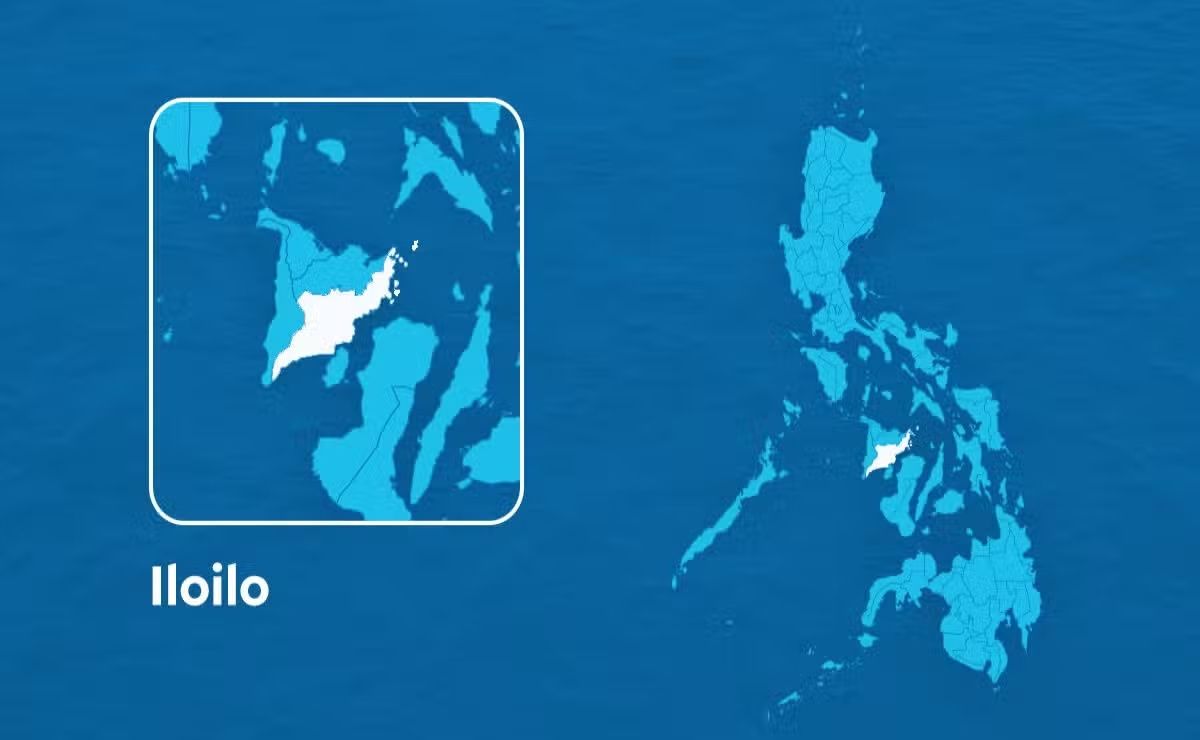
The businessman's father, Rey Grabato, who serves as mayor of Mina, Iloilo, confirmed his son's presence in the province on Friday but declined to elaborate on specifics surrounding the FBI designation or his son's legal situation. Speaking briefly to media, the elder Grabato noted only that his son was recovering from a severe stroke, a detail that would become central to the family's public response strategy in the days following the announcement.
The federal charges against Rey Grabato II encompass a range of financial crimes. Federal prosecutors have accused him of conspiracy to commit securities fraud, securities fraud proper, conspiracy to commit wire fraud, wire fraud, and conspiracy to defraud the United States in relation to tax matters. These allegations represent a serious criminal portfolio that typically carries substantial penalties upon conviction. The specificity of the charges suggests a coordinated investigation spanning multiple jurisdictions and financial regulators.
Crucially, the family emphasised that neither Rey Grabato II nor any authorised representative has received formal notice or legal summons from Philippine or American authorities as of Friday evening. This assertion carries significance in jurisdictional and procedural terms, potentially suggesting that extradition or formal apprehension procedures have not yet commenced. The statement serves to position the family as cooperative parties awaiting proper legal channels rather than as individuals evading authorities.
Christopher Rey Grabato, identified as the youngest brother, released a detailed family statement on his personal Facebook account that provided clinical description of his elder brother's health condition. According to the statement, Rey Grabato II is recovering from a severe stroke that has left him partially paralysed with significant functional limitations affecting his mobility, communication, and cognitive abilities. The family indicated he remains under continuous medical supervision with rehabilitation and treatment constituting the household's immediate priorities.
The health narrative presented by the family warrants careful examination within the Philippine context, where medical circumstances can meaningfully affect both criminal proceedings and public sympathies. The extent to which a defendant's medical condition influences court proceedings varies across jurisdictions, and the family's strategy of emphasising Rey II's rehabilitation needs may reflect awareness of how such information resonates with domestic audiences. The statement positions the family as responsible guardians prioritising healing over legal contestation.
Regarding the substantive allegations, Christopher Rey Grabato directed public attention to his elder brother's role with the National Realty Investment Advisors (NRIA), the entity at the centre of the fraud allegations. Rather than contesting the charges directly, the family leveraged reporting from Barron's, the financial publication owned by Dow Jones & Company, which apparently characterised Rey Grabato II's leadership position as merely "titular." This distinction carries significant legal and reputational weight, as it suggests substantive decision-making authority rested elsewhere within the organisation.
The family's characterisation of Rey Grabato II's role as titular rather than operational draws a critical line between nominal association and culpable responsibility. According to the family's interpretation of federal prosecutors' own statements as reported in Barron's, the actual governance and operational control of NRIA was exercised by Thomas Nicholas Salzano, who has already been apprehended by federal authorities. This argument implicitly suggests that if criminal misconduct occurred within NRIA, primary responsibility should attach to Salzano rather than to Rey Grabato II.
Thomas Nicholas Salzano's prior apprehension by federal authorities appears to have been a foundational element prompting investigation into NRIA's operations and associated figures. The sequence of arrests and the targeting of multiple individuals suggests a coordinated federal investigation into a broader scheme rather than isolated misconduct. For Malaysian and Southeast Asian observers, the case illustrates the extended reach of United States financial crime enforcement and the vulnerability of regional businesspeople to prosecution for activities involving American markets or entities.
The family's stated commitment to addressing the matter "in the proper forum" and complying with required legal processes represents a conventional posture in such circumstances. This language suggests anticipated engagement with both Philippine and American legal systems, possibly including negotiation or cooperation with prosecutors. The measured tone contrasts with more defiant responses sometimes seen in high-profile cases and may reflect strategic legal counsel advising cooperation.
For the broader Philippine business community and regional observers, the case underscores the interconnected nature of international financial regulation. Rey Grabato II's inclusion on the FBI's Most Wanted list despite his presence in the Philippines highlights how technological systems and international law enforcement cooperation can track individuals across borders. The case also demonstrates the varying pace at which different jurisdictions may move to apprehend or prosecute accused individuals, with formal diplomatic and legal procedures sometimes preceding physical custody.
The situation presents a complex narrative spanning legal accountability, medical hardship, and family reputation management. While the FBI's designation is grounded in serious criminal allegations requiring legal resolution, the family's emphasis on Rey Grabato II's health crisis reflects the reality that individuals accused of crimes remain subject to the human condition. The coming weeks will determine whether Philippine authorities initiate proceedings, whether American prosecutors pursue extradition, and ultimately how the combination of legal process and medical circumstances shape the trajectory of this case.

