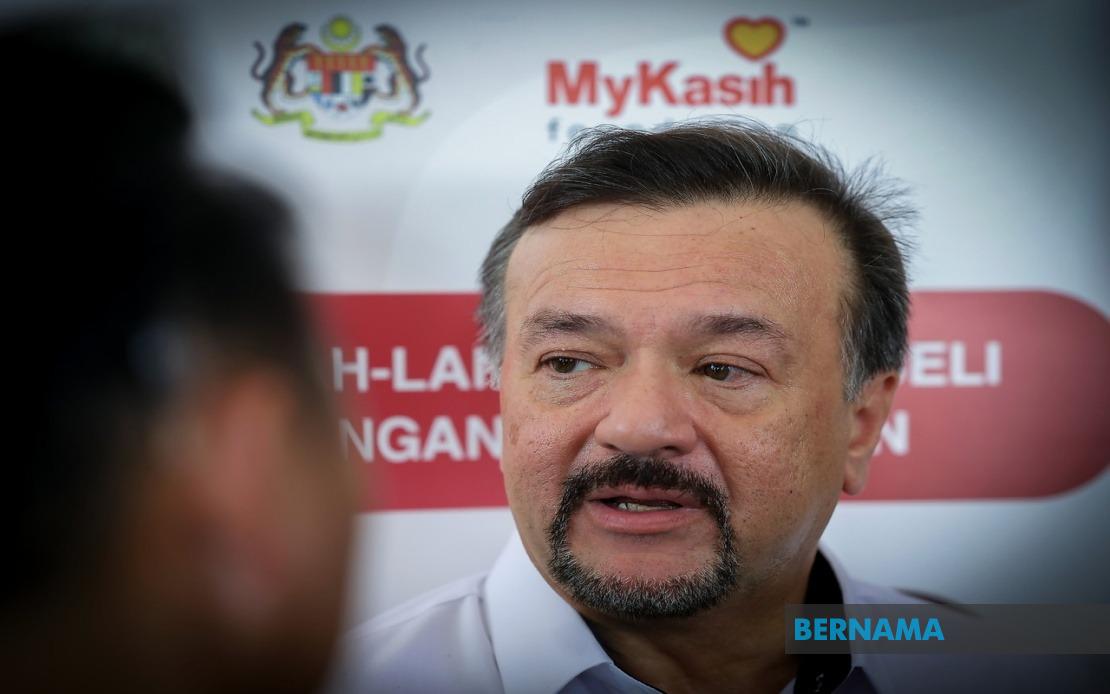
The Malaysian Finance Ministry has signalled flexibility in refining the BUDI MADANI Diesel subsidy programme, indicating that policymakers will consider modifications to the scheme should operational challenges emerge. Finance Minister II Datuk Seri Amir Hamzah Azizan outlined this pragmatic stance during a media briefing in Kuching on June 24, stressing that any future adjustments would rest on verifiable consumption figures rather than speculative projections. His remarks suggest the government recognises that targeted subsidy schemes require iterative fine-tuning as they encounter real-world conditions and user behaviour patterns.
The BUDI Diesel initiative represents a fundamental shift in how Kuala Lumpur supports fuel costs for commercial operators, moving away from blanket subsidies toward means-tested allocations that vary by user profile and consumption needs. This transition reflects broader fiscal pressures and a desire to channel support more efficiently to those who genuinely require assistance, rather than spreading limited resources thinly across the entire user base. The scheme's operational framework incorporates quota limits that initially raised concerns among industry stakeholders about sufficiency for high-mileage operators, though early data now offers a more nuanced picture.
During the initial phase of implementing subsidies for RON95 petrol, stakeholders similarly questioned whether allocated quotas would meet demand. However, analysis spanning January to May of this year revealed a telling pattern: merely 0.76 per cent of participating users exceeded 200 litres per allocation period. This finding fundamentally reframes the quota debate, suggesting that for the overwhelming majority of beneficiaries, the existing thresholds prove adequate. Amir Hamzah's invocation of this data underscores a shift toward evidence-based governance, where programme architects allow sufficient operational runway before rushing to expand parameters.
The Ministry's calibrated approach reflects lessons absorbed from prior targeted subsidy reforms, particularly the e-hailing sector experience that shaped government thinking on quota structures. When ride-sharing operators initially reported that allocated fuel quotas felt restrictive, the administration examined actual consumption logs rather than accepting claims at face value. This investigation revealed genuine variation in fuel requirements across different driver categories—some operating predominantly within city limits, others undertaking longer intercity routes. The government responded by introducing tiered quotas, permitting 600-litre and 800-litre monthly allocations based on documented patterns. This flexible framework demonstrates that subsidies can accommodate heterogeneous user needs without introducing a one-size-fits-all straitjacket.
Applying similar logic to the BUDI Diesel programme positions the government to move beyond ideological debates about quota generosity and instead ground decisions in operational reality. The Works Minister Datuk Seri Alexander Nanta Linggi's attendance at the briefing underscores cross-departmental buy-in for this data-centric framework, suggesting that transport-related infrastructure concerns align with fiscal management priorities. For Malaysian businesses dependent on diesel—including small haulage operators, agricultural enterprises, and construction firms concentrated heavily in Sarawak and across East Malaysia—this commitment to ongoing appraisal offers reassurance that hardship will trigger policy adjustments.
The Malaysian government's openness to proposal consideration also signals receptivity to feedback channels beyond formal ministerial announcements. Industry associations, individual operators, and regional chambers of commerce now possess clearer rationale for submitting detailed submissions: demonstrating through data that current allocations create operational bottlenecks. The burden rests on claimants to substantiate assertions with consumption records, route documentation, and business necessity statements rather than anecdotal accounts. This evidentiary requirement raises the baseline for credible advocacy whilst simultaneously clarifying that policymakers will not dismiss legitimate grievances when backed by solid evidence.
For Southeast Asian observers watching Malaysian policy innovation, the BUDI Diesel approach exemplifies a middle path between fiscally unsustainable universal subsidies and entirely market-determined pricing. Countries throughout the region grapple with similar dilemmas: how to protect vulnerable populations and critical economic sectors from energy price volatility whilst preserving government budgets from permanent distortion. By publishing usage data and demonstrating willingness to adjust quotas based on evidence, Malaysia creates a blueprint that other governments might adapt—one emphasising programme monitoring, transparent decision-making, and flexibility grounded in measurement rather than political pressure.
The timeline for potential modifications remains unspecified, though Amir Hamzah's language suggests the government will allow the programme several months of undisturbed operation before undertaking formal reviews. This patient approach contrasts sharply with reactive policymaking that responds to every complaint with immediate expansion. Such restraint protects fiscal space whilst permitting comprehensive data accumulation across seasonal variations and economic cycles. Operators experiencing genuine hardship under existing quotas would be wise to document their circumstances meticulously, positioning themselves for quota increases when the anticipated review cycle commences.
Beyond quota mechanics, the government's receptiveness to proposals invites consideration of ancillary programme improvements—streamlined verification procedures, enhanced digital application systems, or geographical considerations for regions with particularly dispersed user populations. The ministerial team has not foreclosed discussion on such operational dimensions, suggesting that constructive suggestions addressing implementation friction rather than wholesale subsidy expansion might find favourable reception. This nuance matters enormously for stakeholder groups seeking policy influence: focusing advocacy on procedural efficiency rather than demanding larger handouts aligns with the evident government preference for data-driven, fiscally conservative refinement.