The Malaysian Meteorological Department has provided a generally optimistic weather outlook for Negeri Sembilan's 16th state election nomination day tomorrow, with most districts expected to enjoy fine conditions during the crucial morning hours when candidates must submit their nomination papers. The forecast comes as the northern state prepares for an intensive electoral campaign that will culminate with polling on August 1, following the dissolution of the State Legislative Assembly on June 5.
According to MetMalaysia director-general Dr Mohd Hisham Mohd Anip, the morning hours should prove particularly favourable for most of the state. The districts of Jelebu, Jempol, Kuala Pilah, Rembau and Tampin are anticipated to remain dry throughout the morning, allowing nomination centre operations to proceed smoothly without weather-related disruptions. However, the coastal constituencies of Port Dickson and Seremban are forecast to experience some rainfall during the same period, potentially creating minor inconveniences for voters and election officials in those areas.
The situation is expected to shift noticeably by afternoon, when thunderstorms are predicted to move across virtually all of Negeri Sembilan's districts. Despite this forecast, MetMalaysia has sought to reassure the public that these storms will likely be brief and sporadic rather than sustained downpours. The agency characterizes the expected precipitation as temporary showers that should pose no significant impediment to the nomination process, which concludes by mid-morning before the heaviest weather activity intensifies.
Temperature conditions across the state will reflect typical mid-year patterns for the region. Minimum readings are projected to reach between 23 and 24 degrees Celsius overnight, while daytime highs will climb to somewhere between 32 and 33 degrees Celsius. These forecasts suggest conditions broadly typical for Negeri Sembilan at this time of year, with humidity likely to remain elevated given the proximity of the monsoon transition period.
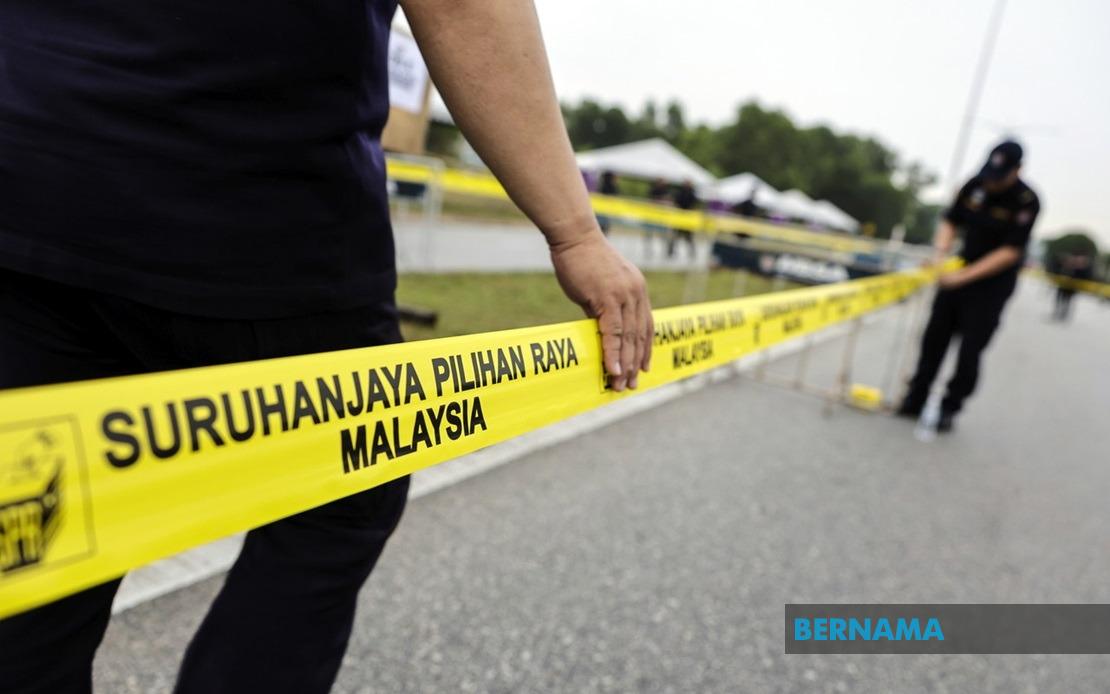
The nomination process itself represents a critical juncture in the electoral calendar. Eight nomination centres throughout the state will receive candidate submissions from 9 am to 10 am, after which returning officers will publicly announce all confirmed candidates. This compressed timeframe makes the morning weather conditions particularly significant, as any severe weather could technically complicate the logistics of moving candidates and documentation between venues, though such scenarios appear unlikely based on the current forecast.
The political landscape for this election reflects the intensification of Malaysia's three-way political competition. Pakatan Harapan has committed to contesting all 36 state seats, with the coalition's three component parties dividing seats along predictable lines: PKR will field 16 candidates, DAP 11 and Amanah 9. Barisan Nasional, meanwhile, has adopted a more selective approach by nominating candidates for 25 seats only, allocating 16 to UMNO, seven to MCA and two to MIC. This strategic reduction likely reflects either seat-sharing negotiations or assessments of electoral viability in specific constituencies.
Perikatan Nasional's participation adds another layer of competition, with the coalition contesting 11 seats through a multi-party arrangement. PAS will field five candidates while Wawasan Negara contributes four, with smaller allocations to Gerakan and the Malaysian Indian People's Party. Beyond these three major political blocs, several smaller parties have announced participation: Parti Orang Asli Malaysia, Parti Sosialis Malaysia and Parti Barisan Jemaah Islamiah Se-Malaysia each plan to field individual candidates. Bersatu, meanwhile, has indicated it will release its candidate list later today, suggesting a possible late addition to the competitive mix.
The electoral roll demonstrates substantial voter engagement, with the Election Commission registering 889,490 eligible voters across the state. The breakdown reveals a diverse electorate comprising 867,151 ordinary voters, alongside 16,884 military personnel and their spouses, plus 5,455 police officers who will participate in early voting on July 28. This composition suggests that security force voting patterns could potentially influence outcomes in closely contested constituencies, particularly given the disciplinary structures within these organisations.
The timeline for this election campaign remains compressed but manageable. With nomination day tomorrow, candidates will have just eleven days until early voting on July 28 and precisely sixteen days until the final poll on August 1. This duration provides adequate time for conventional campaigning but places particular emphasis on efficient use of nomination day itself, making the forecasted fair morning conditions especially valuable for candidates seeking to generate immediate momentum following their formal entry into the race.
For Malaysian observers and political analysts, the Negeri Sembilan election offers insights into the current state of electoral competition in the Klang Valley's neighbouring state. The balance between Pakatan Harapan's aggressive all-seats strategy, Barisan Nasional's selective positioning and Perikatan Nasional's targeted approach will generate meaningful data about voter preferences across federal territories and states bordering Selangor. Weather conditions are unlikely to materially influence ultimate outcomes, but the meteorological department's assurance of manageable conditions tomorrow should facilitate a smooth and inclusive nomination process that sets the tone for the ensuing campaign period.

