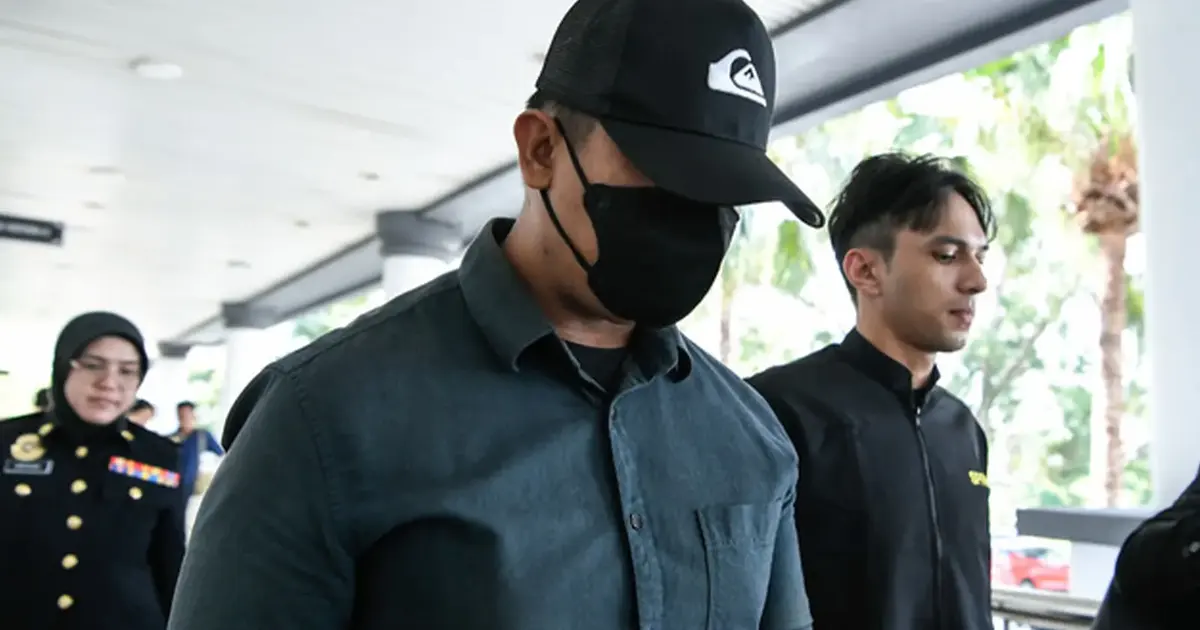
A senior fire department official in Malaysia faces serious corruption allegations after being charged with soliciting and accepting bribes to facilitate business licensing approvals. Johari Bar Azwar, a fire superintendent, stands accused of accepting RM11,500 across two separate incidents in exchange for issuing critical support letters that businesses require from the fire and rescue department.
The charges allege that Johari Bar Azwar received RM1,500 during 2024 and a further RM10,000 in the preceding year. These sums were allegedly offered as inducements to expedite or approve fire and rescue licensing support letters—documentation that business operators need to obtain permits and clearances from the department. The specificity of the amounts and timing suggests a pattern of alleged misconduct rather than isolated incidents.
Fire and rescue licensing support letters represent essential regulatory hurdles for numerous businesses in Malaysia. Restaurants, shopping centres, warehouses, manufacturing facilities, and other commercial establishments must secure these letters demonstrating compliance with fire safety standards before regulatory authorities can grant operational permits. When officials controlling such gatekeeping functions accept bribes, it undermines public safety frameworks and creates unfair competitive advantages for those willing to pay.
The allegations highlight vulnerabilities within Malaysia's licensing approval systems where individual officials wield considerable discretionary power. Johari Bar Azwar's position as a superintendent would have granted him authority over licensing decisions affecting multiple businesses simultaneously. The temporal spread of the alleged offences—spanning at least 12 months—raises questions about whether oversight mechanisms detected irregular patterns or whether the charges emerged through separate complaints from affected parties.
This case arrives amid broader Malaysian concerns about corruption within government agencies responsible for business regulation and public safety. The fire and rescue department, crucial for protecting citizens and property from fire hazards, requires institutional integrity to function effectively. When personnel engage in rent-seeking behaviour, it signals that legitimate regulatory pathways can be bypassed through payments, potentially encouraging others within the system to adopt similar practices.
The implications extend beyond the individual superintendent to systemic vulnerabilities that Malaysian authorities must address. Small and medium enterprises operating with limited resources may face particular pressure when confronted with unofficial payment demands for documentation that should be processed according to established criteria and timeframes. This can inadvertently advantage larger, better-resourced competitors capable of absorbing such costs.
Cases involving fire and rescue officials carry heightened significance because public confidence in these agencies affects emergency preparedness and safety compliance. When citizens and business operators question whether fire safety inspections reflect genuine hazard assessment or unofficial payment arrangements, willingness to invest in proper safety measures may diminish. This could create cascading risks throughout commercial districts and residential areas dependent on department oversight.
Malaysian anti-corruption authorities have intensified efforts targeting government sector bribery in recent years, recognising how such misconduct corrodes institutional credibility and undermines economic efficiency. The pursuit of this case demonstrates continuing commitment to investigating allegations even within agencies traditionally considered essential services. However, prosecution represents only one facet of a comprehensive response that should include enhanced internal controls, transparent criteria for licensing approvals, and regular audits of decision patterns.
The charges against Johari Bar Azwar will proceed through Malaysia's legal system with determinations of guilt or innocence resting with courts. The case nonetheless serves as a reminder that regulatory gatekeeping functions require robust protections against individual malfeasance. Business communities across Southeast Asia confront similar challenges where official licensing processes can become vehicles for extraction rather than legitimate safety assurance.
For Malaysian policymakers and fire and rescue leadership, this situation underscores the necessity of revisiting departmental procedures surrounding licensing approvals. Implementing clearer timelines, requiring documented justifications for approval decisions, establishing independent review mechanisms for denied applications, and creating protected channels for reporting suspected misconduct could reduce opportunities for corrupt practices. Digital systems providing transparency into application statuses and decision rationales would also enhance accountability.
The fire and rescue department's institutional reputation depends partly on how leadership responds to corruption allegations. Demonstrating zero tolerance through cooperation with investigations, supporting anti-corruption efforts, and implementing systemic reforms sends important signals about organisational values. This approach would strengthen public confidence that fire safety determinations reflect genuine risk assessment rather than financial negotiations.
As Malaysia continues developing as an economy increasingly focused on attracting foreign investment and supporting domestic business growth, regulatory agencies must earn reputations for competence and integrity. Corruption within licensing systems imposes hidden taxes on businesses and distorts market competition while undermining the regulatory frameworks designed to protect public safety. The Johari Bar Azwar case, pending judicial determination, highlights ongoing challenges that require sustained institutional commitment to reform.

