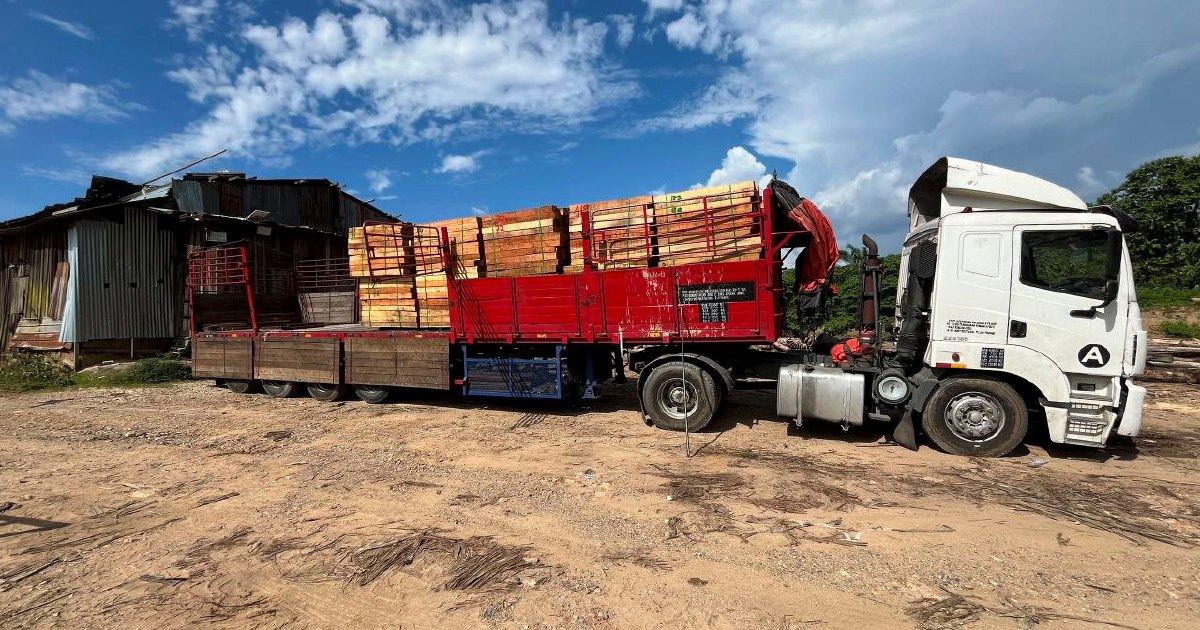
A significant crackdown on illegal timber operations has unfolded in Kelantan, with authorities conducting a raid on a manufacturing facility located in the Sungai Embak area of Kuala Krai. The enforcement action resulted in the apprehension of five individuals suspected of orchestrating the unlicensed timber processing venture. The discovery represents a substantial victory for regulatory agencies working to combat the widespread problem of illegal forestry activities that continues to threaten Malaysia's timber resources and undermine legitimate forest management protocols.
The illegal operation was discovered during a coordinated enforcement exercise that revealed a fully functioning timber processing facility operating without proper authorization or licensing. The site contained industrial machinery specifically configured for processing raw timber into finished products, along with substantial stockpiles of timber materials in various stages of processing. The scale of the operation suggests this was not a small-scale, opportunistic venture but rather a systematic enterprise designed to circumvent regulatory oversight and generate illicit profits from Malaysia's forest resources.
The seized assets paint a picture of an organized commercial operation. Beyond the timber itself, enforcement teams recovered specialized processing equipment and machinery valued collectively with the timber at RM2.32 million. This substantial figure underscores the economic significance of these illegal operations and the considerable financial incentives driving individuals to engage in unauthorized forest product extraction and processing. The equipment seizure is particularly meaningful, as it removes the operational capacity of the facility to continue processing activities.
The five arrested individuals now face legal proceedings under relevant forestry and environmental legislation. The identity and specific roles of these suspects remain under investigation, though their apprehension indicates authorities have successfully disrupted what appears to have been a coordinated smuggling and processing network. Investigations will likely focus on the source of the raw timber, the distribution channels for processed products, and the financial beneficiaries of this illegal enterprise.
This operation in Kelantan reflects broader challenges across Southeast Asia regarding illegal logging and timber trafficking. The region remains vulnerable to organized timber smuggling networks that exploit porous borders and regulatory gaps. Malaysia has experienced persistent problems with illegal timber extraction, particularly in states with significant forest reserves and inadequate enforcement capacity. The Kelantan raid demonstrates that authorities continue intensifying efforts to address this issue, though experts suggest that coordinated regional approaches and enhanced international cooperation remain essential.
The timber processing sector represents a critical component of Malaysia's legitimate forest economy, generating employment and export revenue. However, illegal operators undercut lawful businesses by avoiding compliance costs, environmental fees, and sustainability requirements. This unfair competitive disadvantage pressures legitimate timber processors and creates perverse incentives for corners-cutting within the legal industry. Dismantling illegal operations therefore protects not only forests and biodiversity but also the integrity of the formal timber trade.
The seizure of RM2.32 million in assets signals that enforcement agencies possess the investigative capacity and legal authority to pursue substantive cases against organized timber trafficking. However, analysts note that disrupting individual operations, while important symbolically and operationally, requires complementary strategies including strengthened licensing verification, enhanced border monitoring, improved tracking of timber movements through supply chains, and stronger penalties for trafficking. The scale of the Kelantan operation suggests that substantial illegal processing continues despite regulatory efforts.
Transparency International and environmental organizations have identified timber trafficking as a significant vehicle for corruption and money laundering across Southeast Asia. Illegal timber networks often intersect with broader organized crime structures, with proceeds potentially funding other illicit activities. The financial magnitude of these operations—with single raids recovering millions in assets—underscores the profitability driving participation despite enforcement risks.
Kelantan's position as a significant timber-producing state carries particular importance for Malaysia's forest sustainability objectives. The state's rich forest reserves make it both economically valuable and environmentally sensitive. Strengthening enforcement in this jurisdiction thus addresses material threats to forest conservation while simultaneously protecting legitimate economic interests of licensed operators and local communities dependent on sustainable forest management.
The raid's timing reflects ongoing enforcement momentum, though experts caution that single operations represent symptomatic interventions rather than comprehensive solutions. Sustained progress against illegal timber operations requires sustained funding for enforcement agencies, modernized monitoring technologies, coordinated inter-agency protocols, and international collaboration to address transnational trafficking dimensions. Malaysia's commitment to achieving deforestation targets under international environmental agreements depends substantially on success in suppressing illegal extraction and processing activities across all regions.

