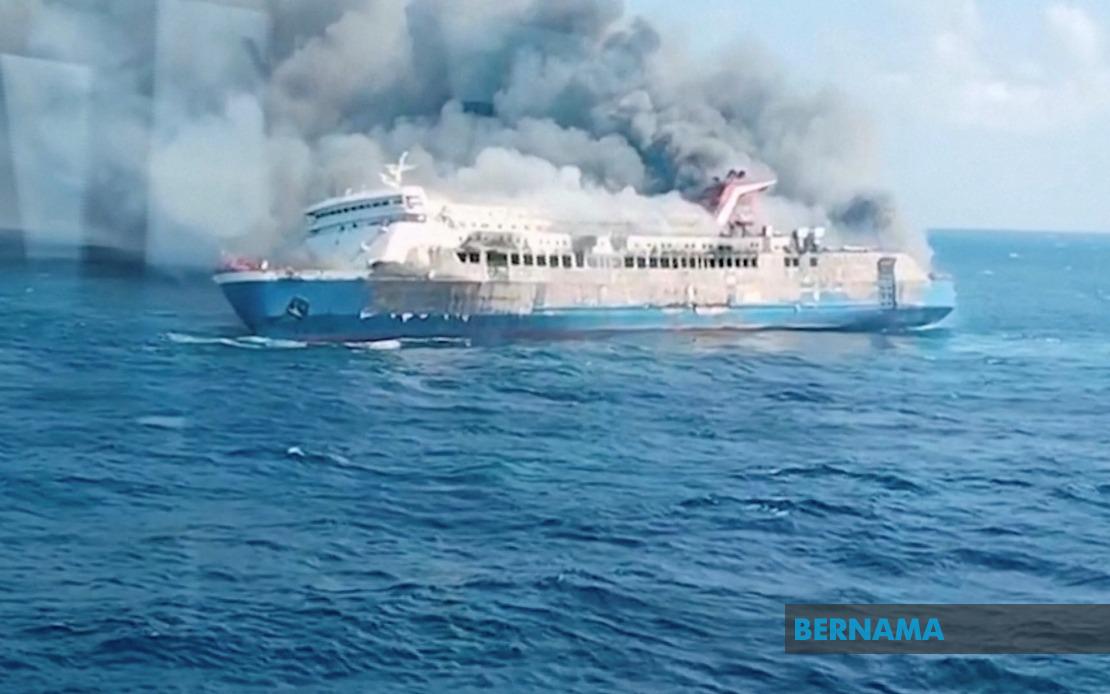
A catastrophic fire aboard an Indonesian passenger ferry has claimed at least five lives and left 41 people unaccounted for in what authorities are treating as one of the region's most serious maritime incidents in recent months. The KMP Mutiara Santosa 2, carrying a combined total of 271 people including 232 passengers and 39 crew members, caught fire while traversing waters off the northern coast of Sumenep in Madura early on August 2. The blaze spread rapidly through the vessel, forcing passengers to gather on the bridge and forward sections as they awaited evacuation assistance.
The Surabaya Search and Rescue Office, headed by Nanang Sigit, received notification of the emergency at 8.24 am local time and immediately mobilised multiple rescue assets and personnel across the region. By 4 pm that afternoon, search teams had successfully rescued 225 individuals from the burning ferry, though the scale of the operation and the speed of the fire's spread suggested the situation remained precarious. The vessel, which had departed from Surabaya bound for Makassar, was engulfed in flames that destroyed much of its structure, severely hampering both the rescue effort and any subsequent investigation into the disaster's origins.
Recall of similar incidents across Southeast Asia highlights the vulnerability of regional maritime transport infrastructure. Indonesia's archipelago relies heavily on inter-island ferries for commerce and passenger movement, yet ageing vessels and inconsistent safety enforcement have repeatedly made headlines. The fate of KMP Mutiara Santosa 2 echoes previous tragedies that have exposed systemic weaknesses in vessel maintenance, fire suppression systems, and crew training protocols. For Malaysian shipping operators and regulators monitoring developments in the region, such incidents underscore the critical importance of enforcing stringent maritime safety standards across all vessels serving Southeast Asian waters.
Witnesses reported that some passengers, driven by desperation as the inferno consumed the ferry, jumped overboard in an attempt to reach safety. Fortunately, several of those who entered the water were retrieved by nearby vessels that happened to be in the vicinity and responded swiftly to the emergency. This fortunate intervention likely prevented an even higher death toll, though the exact number of people who jumped and their fates remain part of the ongoing investigation. The presence of other boats in the area proved instrumental in preventing what could have been a far more catastrophic loss of life.
The search and rescue operation, which continued well beyond the initial hours following the fire's outbreak, involved coordination between multiple Indonesian government agencies and the deployment of numerous assets including patrol boats and aircraft. Authorities maintained an intensive focus on locating the 41 individuals whose whereabouts remained unknown as afternoon turned to evening. The scale of the rescue operation reflected both the gravity of the situation and Indonesia's commitment to pursuing every possible avenue for recovering missing persons, though the destroyed condition of the ferry's hull and the intensity of the fire complicated efforts to conduct thorough searches of the vessel's interior compartments.
As of the time of the report, investigators had not yet determined what triggered the initial fire aboard the KMP Mutiara Santosa 2. The cause would become a critical focus for authorities seeking to prevent similar disasters. Initial speculation among maritime experts pointed toward possible electrical failures, fuel line ruptures, or other mechanical malfunctions common in aging vessels, though only a comprehensive technical investigation would establish definitive answers. The charred remains of the ferry would yield crucial forensic evidence, assuming recovery and examination proved feasible given the extent of the damage.
The incident carries significant implications for maritime safety across the broader Southeast Asian region, where many countries share similar challenges regarding ageing fleet management and regulatory oversight. For Malaysian shipping authorities and the broader regional maritime community, the disaster serves as a stark reminder of the consequences when preventive maintenance lapses or safety protocols are inadequately enforced. Insurance companies and vessel operators throughout the region would likely review their own safety procedures in light of the incident, potentially triggering new investment in fire prevention and emergency response systems.
Family members of the missing passengers and crew members faced an agonising wait for information about their loved ones' fates. The psychological and emotional toll of such disasters extends far beyond the immediate casualty figures, affecting communities and families who depend on maritime transport for both their livelihoods and personal mobility. The disaster also raises questions about whether existing Indonesian maritime regulations adequately address the risks associated with ferrying large numbers of passengers on routes like the Surabaya-Makassar corridor, which carries significant commercial and personal traffic.
The recovery and investigation phase would likely reveal whether the KMP Mutiara Santosa 2 had undergone recent safety inspections and whether any deficiencies had been previously noted. Such details would prove essential for determining whether regulatory failures contributed to the tragedy. Indonesia's maritime authorities face mounting international scrutiny following numerous ferry incidents, and this disaster would inevitably prompt calls for enhanced inspection regimes and stricter enforcement of existing safety standards across the nation's commercial fleet.

