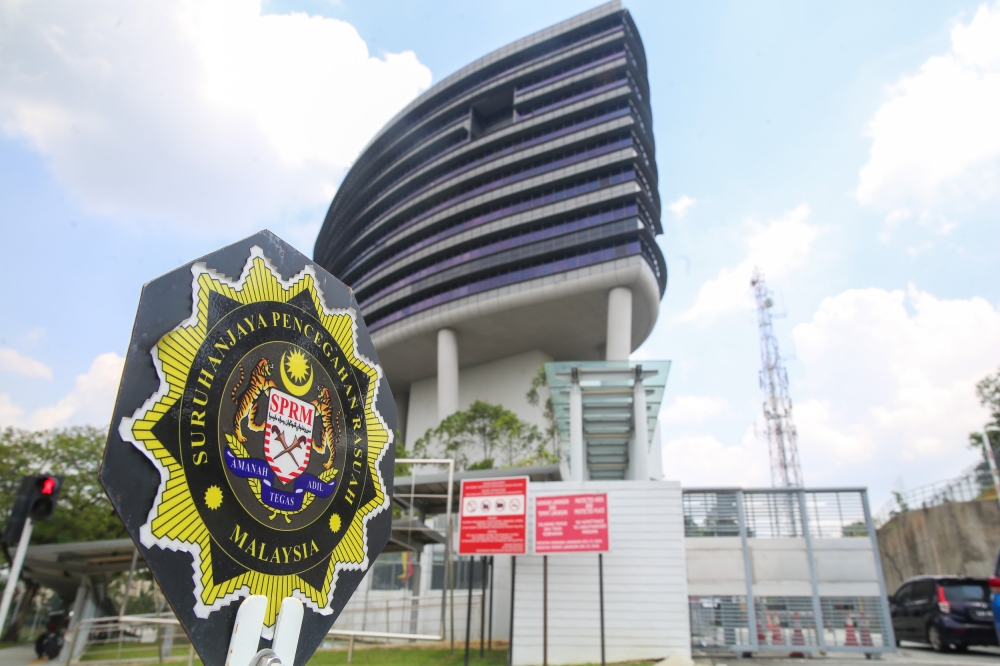
The Malaysian Anti-Corruption Commission has expanded its investigation into a major data security breach at the Immigration Department by arresting five additional officers in Putrajaya, signalling a widening probe into alleged unauthorised access to the MyIMMs immigration portal. This latest wave of detentions follows earlier arrests and underscores growing concerns about internal vulnerabilities within Malaysia's critical immigration infrastructure at a time when the nation is strengthening its border security protocols.
The MyIMMs system, which manages traveller information, visa applications, and entry-exit records, is a cornerstone of Malaysia's immigration operations. Unauthorised access to such a sensitive system poses significant risks not only to individual privacy but also to national security, as personal data of millions of travellers could be compromised. The arrests suggest that the breach may have involved systematic misuse by multiple officers rather than isolated incidents, prompting the anti-corruption body to deepen its investigation across different divisions within the Immigration Department.
The MACC's decision to expand the investigation reflects the seriousness with which authorities are treating the matter. Each additional arrest provides investigators with fresh leads and potential evidence that might illuminate the scope and methods used to access restricted information within the MyIMMs system. The fact that officers at different levels or departments are being implicated suggests a pattern of misconduct that could be endemic to how the system is currently monitored and controlled.
For Malaysian travellers and businesses that rely on efficient immigration processes, the breach raises practical concerns about the reliability of personal data stored in government systems. Individuals who have applied for visas, travelled internationally, or undergone immigration screening may have had their information accessed without authorisation, creating potential identity theft or fraud risks. The incident also serves as a reminder that even centralised government systems remain vulnerable to internal threats when oversight mechanisms are weak.
Regionally, Malaysia's immigration challenges come at a time when Southeast Asian nations are increasingly focused on enhancing digital security in border management. The MyIMMs breach is likely to attract scrutiny from neighbouring countries and international partners who depend on the accuracy and security of Malaysian immigration data for their own border operations and intelligence sharing. Thailand, Singapore, and other regional partners cooperate extensively with Malaysia on immigration matters, making the integrity of the MyIMMs system a regional concern.
The arrests also highlight the persistent challenge of insider threats in government agencies across Southeast Asia. While external cybersecurity threats dominate headlines, breaches involving authorised personnel who exploit their access represent a more difficult vulnerability to address. Officers with legitimate system credentials can bypass conventional security barriers, making detection and prevention dependent on robust monitoring systems and a strong culture of accountability—both areas where the Immigration Department may need significant strengthening.
The investigation will likely examine whether officers accessed the system for personal gain, sold data to third parties, or extracted information for purposes such as assisting illegal immigration schemes or forging documents. MyIMMs data has commercial value in the black market, and international criminal networks have shown interest in compromised immigration records. Understanding the specific motivations behind each officer's alleged breach will be crucial to determining whether the case involves corruption, negligence, or more organised criminal activity.
The MACC's continued focus on this case signals that the agency is prioritising institutional integrity within the Immigration Department, a sector where corruption poses acute national security risks. As Malaysia continues to develop its digital governance infrastructure and migrate systems to online platforms, maintaining tight internal controls becomes increasingly critical. The MyIMMs system handles sensitive information on travellers of all nationalities, and breaches could damage Malaysia's reputation as a reliable destination for business and tourism.
Moving forward, the Immigration Department will face pressure to implement stronger access controls, improve audit trails, and enhance training on data protection among officers. The arrests may prompt a broader review of how systems handling sensitive personal information are secured and monitored within Malaysian government agencies. International best practices for managing immigration data will likely be examined, particularly given Malaysia's regional standing and its role in facilitating trade and people movement across Southeast Asia.
The investigation's outcome will set an important precedent for how Malaysia addresses institutional corruption in critical infrastructure sectors. With digital systems increasingly central to government operations, demonstrating that such breaches carry serious consequences is essential both for deterrence and for maintaining public confidence in the security of personal data held by the state. The MACC's determined pursuit of the case suggests that authorities are committed to holding individuals accountable, though systemic reforms will ultimately be needed to prevent similar breaches in the future.

