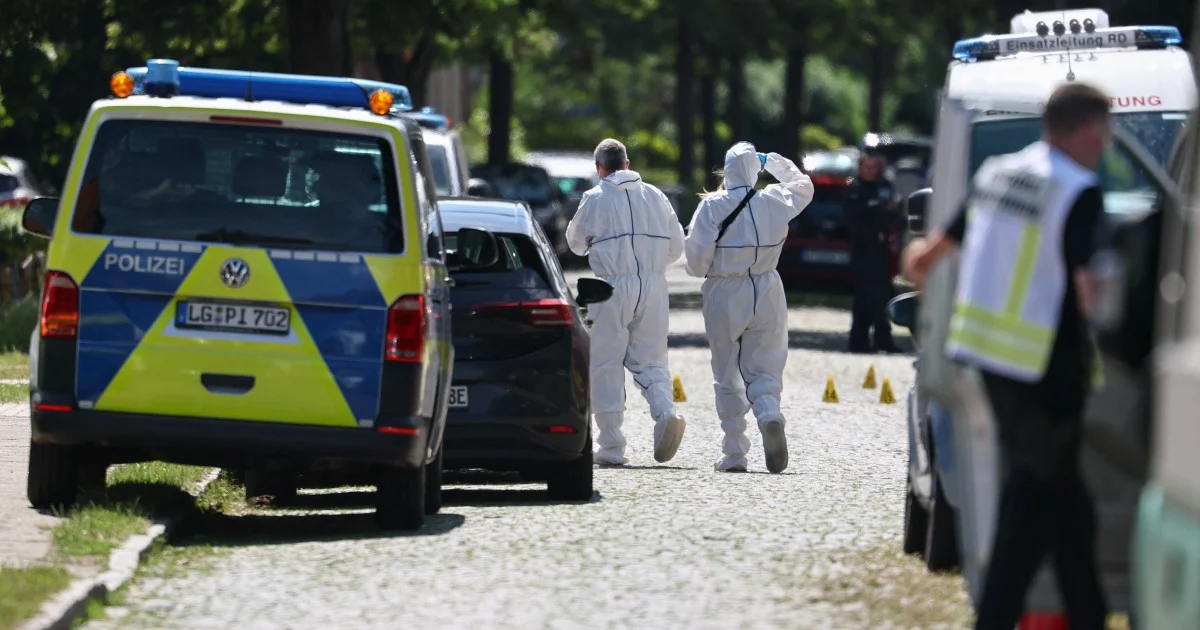
A mass shooting at a youth welfare centre in Stade, Germany on Monday left five people dead and resulted in the immediate arrest of the suspected gunman, marking one of the nation's most serious violent incidents in recent years. The incident unfolded at what authorities identified as a youth welfare facility, where the shooting claimed multiple lives in a shocking act that has renewed concerns about mass violence in Europe's largest economy.
German police confirmed the arrest of the suspected perpetrator at the scene, moving swiftly to secure the location and prevent further casualties. The rapid police response and apprehension of the suspect represent a critical factor in containing what could have become an even deadlier situation. Investigators have begun piecing together details surrounding the attack, though specific motives and the identity of the gunman have not yet been widely disclosed by authorities.
Mass shootings remain comparatively rare in Germany, where firearms regulations are among Europe's strictest. However, the country has experienced several high-profile incidents over the past two decades that have shocked public consciousness and prompted national soul-searching. The Stade incident represents a jarring reminder of the persistent vulnerability of public spaces, even in nations with robust gun control measures. Youth welfare facilities, which typically serve vulnerable populations including at-risk young people and those requiring social support, are not ordinarily associated with violent incidents of this magnitude.
The location of the shooting at a youth welfare centre raises additional concerns about the safety of institutional environments dedicated to protecting and assisting minors and young adults. Such facilities often house staff and clients during operating hours, meaning the attack potentially affected both caregivers and vulnerable youth in their care. The psychological impact on survivors and the broader community will likely extend well beyond the immediate tragedy.
Germany's response to mass violence incidents has typically involved enhanced security reviews, discussions about mental health services, and periodic debates surrounding weapons policy. While the country maintains strict licensing requirements for firearms ownership and comprehensive background checks, questions inevitably arise following such incidents about whether existing safeguards are sufficient or require further refinement. The shooting will almost certainly prompt renewed discussions among policymakers, security experts, and the public about balancing civil liberties with public safety concerns.
For observers in Southeast Asia, including Malaysia, the incident serves as a sobering reminder that mass violence transcends economic development levels and social stability indices. Even prosperous democracies with strong institutions face periodic eruptions of deadly violence. The incident underscores the importance of comprehensive approaches to public safety that extend beyond legislative restrictions alone, encompassing mental health interventions, community engagement, and institutional preparedness.
The arrested suspect now faces investigation by German law enforcement agencies seeking to establish circumstantial details, potential motives, and whether accomplices were involved. Prosecutors will determine what charges to pursue as evidence is gathered and examined. The coming weeks will likely reveal more information about the perpetrator's background, psychological state, and any warning signs that may have preceded the attack.
Youth welfare institutions across Germany may experience increased security reviews in the aftermath of this tragedy. Facilities serving vulnerable populations face the difficult task of maintaining welcoming, therapeutic environments while simultaneously implementing reasonable security measures. The balance between institutional accessibility and appropriate security protocols remains an ongoing challenge for such organisations worldwide.
The incident represents Germany's latest confrontation with an increasingly familiar phenomenon that has prompted urgent reflection in many developed nations. Understanding the factors contributing to mass violence—whether psychological, social, economic, or ideological—remains a complex challenge that transcends national borders. Germany's strong social support systems and low poverty rates have not prevented this tragedy, suggesting that addressing root causes of violence requires multifaceted approaches tailored to specific contexts and populations.
International law enforcement and security agencies will likely monitor developments in the German investigation, as patterns and methodologies in mass violence incidents often provide valuable insights for preventive approaches worldwide. The Stade shooting joins a broader catalogue of such incidents that security professionals analyse to identify potential early intervention opportunities and enhanced protective measures for vulnerable institutions.
As investigation continues, the focus will eventually shift toward memorial efforts, victim support, and institutional recovery. The affected youth welfare centre will require not only physical restoration but also psychological support for staff and clients processing trauma. Communities affected by such violence typically undergo extended periods of collective healing and reflection, during which societal values regarding safety, security, and institutional responsibility come into sharp focus.

