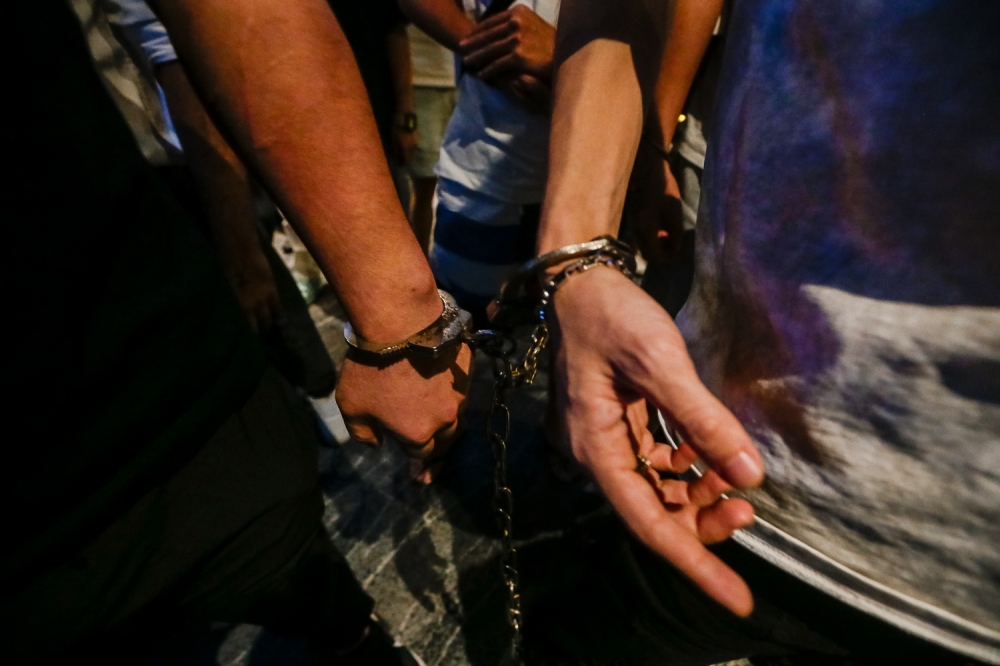
Police in the Cheras district of Kuala Lumpur have detained a foreign composer following allegations that he assaulted and threatened a student enrolled at a private institution. The arrest marks the latest in a series of disciplinary incidents within Malaysia's independent educational facilities, raising fresh questions about institutional oversight and the screening procedures applied to international instructors working in the country.
The student attended a private educational establishment in Cheras when the alleged incident occurred. While specific details regarding the nature of the assault remain under investigation, police have classified the case as involving both physical altercation and verbal threats directed toward the student. The swift police response underscores the seriousness with which authorities treat matters involving potential harm to minors or young adults in educational settings.
Foreign nationals working in Malaysia's education sector are typically subject to visa conditions and employment regulations overseen by the Immigration Department. However, incidents involving international educators have periodically highlighted gaps in background verification systems and ongoing monitoring mechanisms. The arrest of this composer may prompt educational institutions to review their hiring protocols and the vetting procedures applied to non-Malaysian teaching staff, particularly those engaged in specialised fields such as music and performing arts.
Private educational institutions in Malaysia operate under greater autonomy than their public counterparts, which can result in varying standards of student protection and staff accountability. The Education Ministry's oversight of independent schools focuses primarily on curriculum compliance and examination standards, with less emphasis on internal disciplinary frameworks. This structural difference means that incident response and preventive measures often depend heavily on individual institution policies rather than uniform national guidelines.
The incident comes amid broader discussions within Malaysia regarding student safety in educational environments. Beyond physical security measures, concerns have centred on the interpersonal dynamics between instructors and students, particularly in one-on-one or small-group instruction settings common in music education. The case illustrates how private institutions must balance pedagogical autonomy with accountability mechanisms that protect vulnerable populations.
Composer and music educator positions often attract accomplished professionals from across the globe, drawn to Malaysia by competitive compensation packages and the country's growing cultural sector. Nevertheless, the decision to employ international staff must be accompanied by robust due diligence processes, including verification of credentials, reference checks from previous employers, and screening for any prior disciplinary records. The absence of standardised background checks across private institutions remains a vulnerability that education authorities and administrators have sought to address in recent years.
The Cheras police investigation will likely examine whether institutional protocols were followed in the lead-up to the incident and whether the student or family members raised concerns through established grievance channels. These findings may influence recommendations for enhanced safeguarding procedures across Malaysia's private education sector, potentially affecting everything from staff training requirements to the confidentiality and transparency standards applied to disciplinary matters.
For the student involved, the incident represents a breach of the trust that underpins the educator-learner relationship. Educational institutions bear responsibility not only for delivering quality instruction but also for maintaining environments where students can learn without fear of mistreatment. The incident may prompt the affected student's family to seek accountability through both institutional and legal channels, setting precedent for how such matters are handled in comparable settings.
The case also carries implications for Malaysia's reputation as a destination for international education and musical training. The country has invested significantly in developing its arts and cultural infrastructure, including concert halls and conservatories that attract both local and regional talent. High-profile incidents involving foreign educators could influence enrolment decisions and deter families from selecting Malaysian private institutions for their children's tertiary education, particularly in specialized fields requiring international expertise.
Investigators will need to gather statements from the student, institutional staff, and potentially other individuals who may have witnessed relevant events or interactions. The alleged threats component of the case suggests a pattern of behaviour that may have escalated beyond a single isolated confrontation, indicating a need for thorough examination of the compositional lecturer's conduct throughout his tenure at the institution.
The Education Ministry and private school associations may use this incident as an opportunity to reinforce guidelines on staff conduct and student complaint mechanisms. Enhanced training programmes addressing appropriate professional boundaries, conflict resolution in artistic instruction, and mandatory reporting requirements could help prevent similar incidents. Such measures would demonstrate to parents and students alike that private institutions take safeguarding obligations seriously.
As the investigation progresses, the case serves as a reminder that educational excellence must be inseparable from institutional safety and ethical conduct. The rights and wellbeing of students must remain paramount, regardless of an instructor's artistic credentials or international standing. For Malaysia's private education sector, this incident underscores the necessity of continuous improvement in governance frameworks that protect those entrusted to institutional care.

