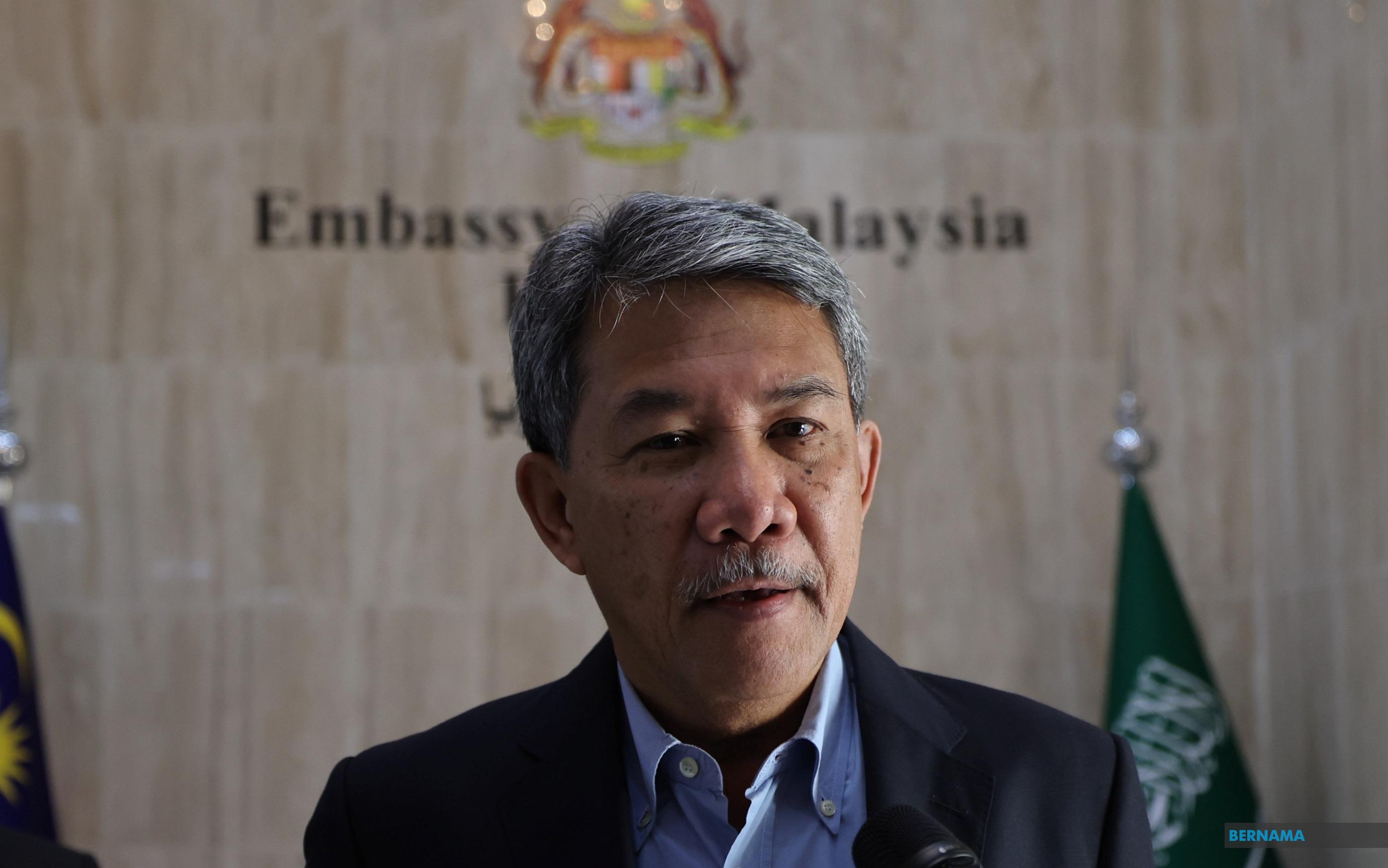
Foreign Minister Datuk Seri Mohamad Hasan landed in Jeddah on August 26, arriving at King Abdulaziz International Airport at 5.45 pm to participate in an extraordinary session of the Organisation of Islamic Cooperation's Council of Foreign Ministers scheduled for the following day. Malaysian Ambassador to Saudi Arabia Datuk Syed Bakri Syed Abdul Rahman was on hand to receive the minister, underscoring the diplomatic significance Malaysia attaches to the gathering at a moment when regional tensions remain elevated.
The one-day ministerial forum represents an urgent convening of the 57-member OIC bloc, with proceedings centred on the deteriorating humanitarian and political situation across Palestinian territories. The agenda encompasses the ongoing conflict in Gaza, developments in the West Bank, and the persistent expansion of Israeli settlements in occupied areas—issues that have grown increasingly contentious within international diplomatic circles and demand coordinated Islamic world response.
Malaysia's participation carries strategic weight beyond routine attendance. Ambassador Syed Bakri emphasised beforehand that the delegation's presence serves a deliberate purpose: to amplify the country's consistent and unequivocal stance regarding Israel's military operations and settlement policies affecting Palestinian populations. This positioning reflects Malaysia's longstanding role as a vocal advocate within multilateral forums for Palestinian self-determination and territorial integrity.
During the session, Mohamad will present a National Statement articulating Malaysia's foundational commitment to Palestinian statehood and independence. The statement will reaffirm support for the Palestinian people's legitimate aspirations based on the pre-1967 borders—a principled position anchoring Malaysia's diplomatic approach to the Israeli-Palestinian conflict for decades. Such declarations, while perhaps familiar rhetoric to seasoned observers, serve essential functions: they consolidate consensus among OIC members, signal consistency to domestic constituencies, and maintain Malaysia's credibility as a champion of Palestinian causes within developing-world coalitions.
Beyond the formal plenary proceedings, Mohamad's visit incorporates bilateral diplomatic engagements with counterparts from multiple nations. These side meetings create opportunities to explore expanded cooperation across commercial, trade, and investment dimensions—reflecting how modern diplomatic missions weave strategic issue advocacy with pragmatic economic partnership building. For Malaysia, these conversations potentially unlock commercial pathways while reinforcing the country's diplomatic influence within Islamic governance structures.
The OIC extraordinary meeting arrives amid a backdrop of mounting international concern regarding the humanitarian toll of conflicts in Gaza and the West Bank. Malaysia, as a Muslim-majority nation and active OIC participant, faces domestic expectations to champion Palestinian interests vocally. The gathering permits the organisation to demonstrate collective resolve on a defining issue for Muslim-majority populations globally, even as member states navigate divergent bilateral relationships with Israel and Western powers.
Malaysia's diplomatic activism on Palestinian matters extends beyond symbolic gestures. The country has consistently supported United Nations resolutions criticising Israeli actions, abstained strategically from votes when diplomatic costs of direct confrontation seemed excessive, and maintained humanitarian and people-to-people connections with Palestinian communities. This Jeddah engagement represents continuity with that trajectory while allowing Malaysia to shape consensus positions alongside Saudi Arabia, Indonesia, and other influential OIC members.
The timing of this extraordinary session carries additional significance given shifting geopolitical alignments in the Middle East. Several OIC members have normalised ties with Israel in recent years, creating internal organisational tensions between hardline advocates for Palestinian causes and pragmatists pursuing strategic diversification. Malaysia's vocal pro-Palestinian stance positions it squarely with the traditionalist camp, potentially offering a counterweight to moderating voices and reinforcing the OIC's foundational commitment to Palestinian rights despite member-state disagreements on other issues.
For Malaysian policymakers and observers, the Jeddah meeting underscores how regional Islamic diplomacy intersects with global geopolitical currents. Malaysia leverages OIC platforms to amplify concerns that might receive limited attention in Western-dominated international forums. Simultaneously, these gatherings provide venues where Malaysia can network with peers, strengthen institutional relationships, and identify common ground on issues transcending bilateral arrangements—all while advancing the country's strategic positioning within the broader Muslim world.
The delegation's composition and ministerial-level attendance signal that Malaysia views this extraordinary session as substantive rather than perfunctory. When foreign ministers personally attend regional meetings instead of delegating to subordinates, it typically indicates that governments regard proceedings as consequential for policy formation or diplomatic signalling. Malaysia's commitment of Mohamad's time and attention reflects the seriousness with which the government treats Palestinian advocacy and the maintenance of Malaysia's credibility within OIC structures as the bloc navigates contentious regional dynamics.
Looking forward, outcomes from the Jeddah session will likely shape OIC messaging on Middle Eastern conflicts during the coming months. Statements adopted by the Council carry weight in developing-world forums and can influence voting patterns on UN resolutions addressing Israeli-Palestinian disputes. Malaysia's contributions to these discussions, channelled through Mohamad's National Statement and bilateral contacts, help mould institutional positions while affording the country opportunity to project itself as a principled, consistent voice for Palestinian self-determination within the Islamic world's premier multilateral platform.

