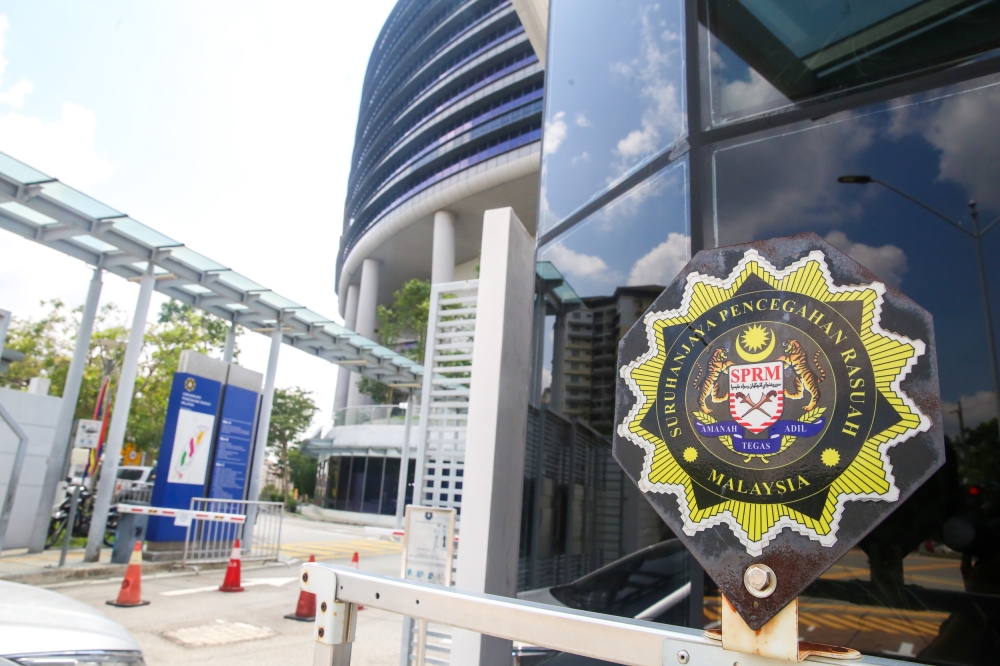
The Malaysian Anti-Corruption Commission has secured a four-day remand order for a former civil servant suspected of orchestrating an elaborate identity fraud scheme that netted approximately RM300,000 in unlawful government assistance disbursements. The suspect, detained at MACC headquarters in Kuala Lumpur, is accused of systematically misappropriating the personal details of 11 individuals to submit fraudulent claims for state welfare payments, highlighting a concerning vulnerability in government benefit distribution systems.
The investigation reveals a sophisticated approach to financial fraud within public administration. Rather than a spontaneous act of dishonesty, the accused allegedly engaged in premeditated misuse of personal information gathered through their position within the civil service. This access to sensitive identity data—a privilege granted through their official employment—appears to have been exploited systematically over an unspecified period. The scale of the alleged scheme, involving double-digit victim identities and hundreds of thousands in fraudulent payouts, suggests the perpetrator operated with considerable confidence in evading detection.
The four-day custody period granted by the courts provides investigators with a critical window to interrogate the suspect, trace the movement of diverted funds, and establish the full scope of the criminal network. Given that the accused held an official position requiring trust and security clearance, authorities must determine whether other civil servants were complicit or knowingly overlooked irregularities. The incident raises serious questions about internal controls, audit mechanisms, and supervisory oversight within Malaysian government departments responsible for processing welfare applications.
For Malaysian citizens and residents, this case underscores a fundamental risk: personal information collected by state agencies may be vulnerable to internal compromise. Individuals who have submitted government assistance applications, applied for identity documents, or interacted with civil service offices may have had their details exploited without knowledge. The MACC's investigation will likely focus on identifying all victims whose identities were misused and determining whether their credit records or future benefit eligibility have been affected by fraudulent claims filed in their names.
The broader implications extend to public confidence in welfare distribution systems precisely when such programmes are increasingly vital to household economic security. Government assistance schemes operate under the assumption that disbursement mechanisms incorporate sufficient safeguards against fraud. This case demonstrates that procedural vulnerabilities can exist even within established administrative frameworks, particularly when individual actors with system access prioritise personal gain over institutional integrity. The incident may prompt government agencies to audit recent welfare payments, verify beneficiary legitimacy, and strengthen authentication protocols.
The involvement of a former—rather than current—civil servant adds an interesting dimension. Whether the person's exit from service preceded or followed the alleged fraud scheme remains unclear. If the individual conducted this scheme while still employed, it reflects institutional failure to detect suspicious activity through standard audit procedures. If the fraud occurred after their departure from the civil service, questions arise about how they retained access to the necessary personal information and how the scheme remained undetected long enough to accumulate such substantial losses.
The choice to fraudulently claim government assistance rather than pursue alternative criminal activities suggests the accused possessed knowledge of welfare system mechanics, application procedures, and payment processing timelines. This insider understanding enabled them to navigate bureaucratic processes in ways outsiders could not replicate. The specificity of targeting 11 identities—rather than more or fewer—may relate to thresholds the perpetrator believed would remain undetected by automated fraud detection systems or routine administrative audits.
Investigators will examine whether the RM300,000 represents total fraud or merely the amount detected thus far. If this figure represents only discovered losses, the actual scale could be significantly larger, particularly if multiple years of fraudulent applications have not yet been identified. Financial tracing will attempt to establish where the stolen funds flowed, whether accomplices benefited financially, and whether money was laundered through legitimate businesses or remitted to overseas accounts. Such details will determine whether additional charges—money laundering, conspiracy, or organised crime offences—are warranted beyond the initial fraud allegations.
The MACC's investigation reflects Malaysia's ongoing commitment to combating corruption across both public and private sectors, though the agency faces resource constraints and caseload pressures that frequently delay prosecutions and complicate comprehensive investigations. Public sector fraud, particularly theft of welfare funds designated for vulnerable populations, carries reputational and practical consequences for government legitimacy. When citizens learn that assistance intended for those facing genuine hardship has been diverted through official misconduct, trust in state institutions erodes.
This case will likely influence how Malaysian government agencies approach information security, staff vetting, and audit procedures. Digital systems that reduce human discretion in benefit processing may be accelerated, though such technological solutions typically emerge incrementally rather than through emergency implementation. Meanwhile, affected individuals whose identities were misused may pursue civil remedies through the courts, potentially claiming compensation for any damage to their credit standing or reputational harm caused by fraudulent transactions conducted in their names.
The coming days will reveal whether the four-day remand generates sufficient leads to charge the suspect or whether extension orders will be sought. The investigation's outcome will set precedent for how authorities address civil service fraud and may influence future training, oversight, and accountability measures across Malaysia's sprawling bureaucratic apparatus.

