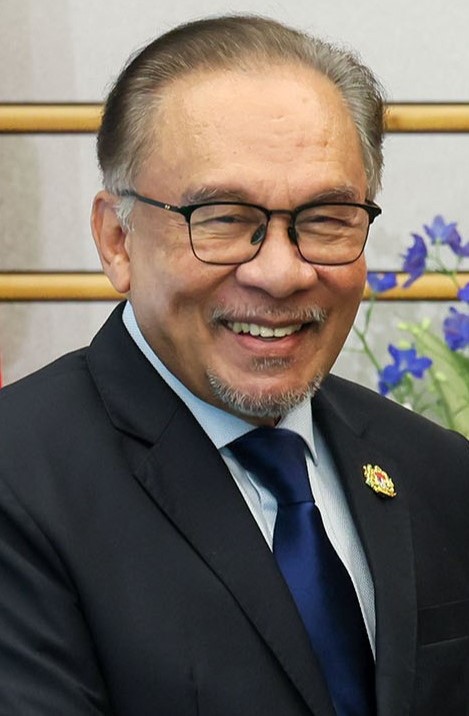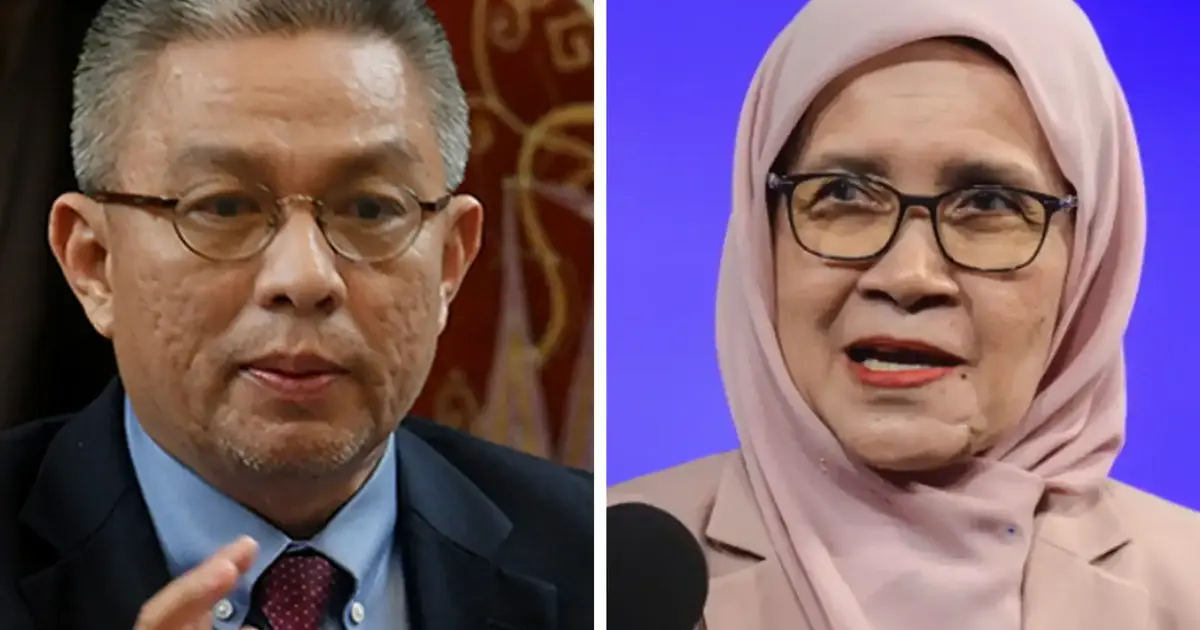
Onn Hafiz Ghazi, the former federal health minister who has returned to Umno's ranks, will seek another term representing the Machap constituency in the forthcoming Johor state election. His decision to contest follows his position as chairman of Barisan Nasional in Johor, signalling the coalition's confidence in retaining control of Malaysia's second-largest state.
The move represents a significant endorsement of Onn Hafiz's leadership within the ruling coalition at the state level. His previous experience as health minister at the national level brings executive credentials to the state campaign, positioning him as a senior figure capable of managing major portfolios. The Machap constituency, which he currently holds, remains a strategic battleground in Johor's political landscape.
Onn Hafiz's return to Umno marks a consolidation of the party's machinery ahead of what promises to be a closely contested election. His appointment as BN chairman in Johor underscores the coalition's strategy of deploying senior, experienced figures to defend seats that could determine the overall outcome. The emphasis on seasoned politicians reflects concerns about opposition gains in recent election cycles.
The Machap seat carries historical significance within Johor's electoral map. Constituencies in the Kluang district, where Machap is located, have traditionally been competitive between Umno-led coalitions and opposition forces. Onn Hafiz's tenure as a sitting member provides him with the incumbent advantage, though this does not guarantee success in an increasingly polarised Malaysian political environment.
His background in healthcare administration offers particular relevance to constituents, especially following the COVID-19 pandemic's impact on Johor. Local voters may consider his previous responsibilities in managing health crises and national health policy when assessing candidates. This experience distinguishes him from many other contestants who lack comparable ministerial exposure.
The Barisan Nasional's selection of Onn Hafiz as state chairman demonstrates confidence in his organisational abilities and political acumen. This dual role—both as a candidate and party administrator—places significant responsibility on his shoulders. The performance of BN-backed candidates across Johor will partly reflect the effectiveness of his leadership in coordinating campaign efforts and party resources.
Johor's political dynamics have shifted noticeably over the past decade, with urbanisation and demographic changes influencing voter behaviour, particularly among younger demographics. The state government must address concerns about economic development, employment opportunities, and service delivery to retain voter support. Onn Hafiz's track record on these issues will be scrutinised by constituents evaluating whether his tenure has delivered tangible benefits.
The opposition's strategy in Machap will likely focus on highlighting any perceived governance shortcomings during Onn Hafiz's time as health minister, while simultaneously promoting their own candidates' alternative vision. The contest will feature not merely personality-based competition but substantive debate over state policies, federal-state relations, and development priorities affecting Johor residents.
Barisan Nasional's control of Johor since the state was founded remains a defining feature of Malaysian politics. The coalition's determination to field experienced, nationally-recognised figures like Onn Hafiz signals its recognition that complacency poses a serious threat. Every contested seat, including Machap, could potentially influence the final composition of the state assembly and the ability to form government.
For Malaysian observers tracking Umno's recovery following its electoral setbacks in 2022 and 2023, Onn Hafiz's prominent candidacy represents part of a broader revitalisation effort. His alignment with the party reflects internal political calculations about which figures can command sufficient grassroots support to compete effectively. The Johor election will serve as a significant barometer of Umno's revival trajectory and public acceptance of its strategy.
The contest also carries implications for federal politics, as Johor's election results could influence perceptions of the ruling coalition's overall political health. A strong BN performance would validate the partnership's direction, while disappointing results might prompt recalibrations. Consequently, Onn Hafiz and his colleagues recognise the stakes extending beyond state-level governance to national political positioning.
As campaigns intensify, focus will increasingly centre on what Onn Hafiz and the Barisan Nasional can offer Machap residents compared to opposition alternatives. His defence of the seat will depend substantially on both his personal political machine and broader BN resources, as well as the electorate's assessment of whether his administrative record justifies another mandate.