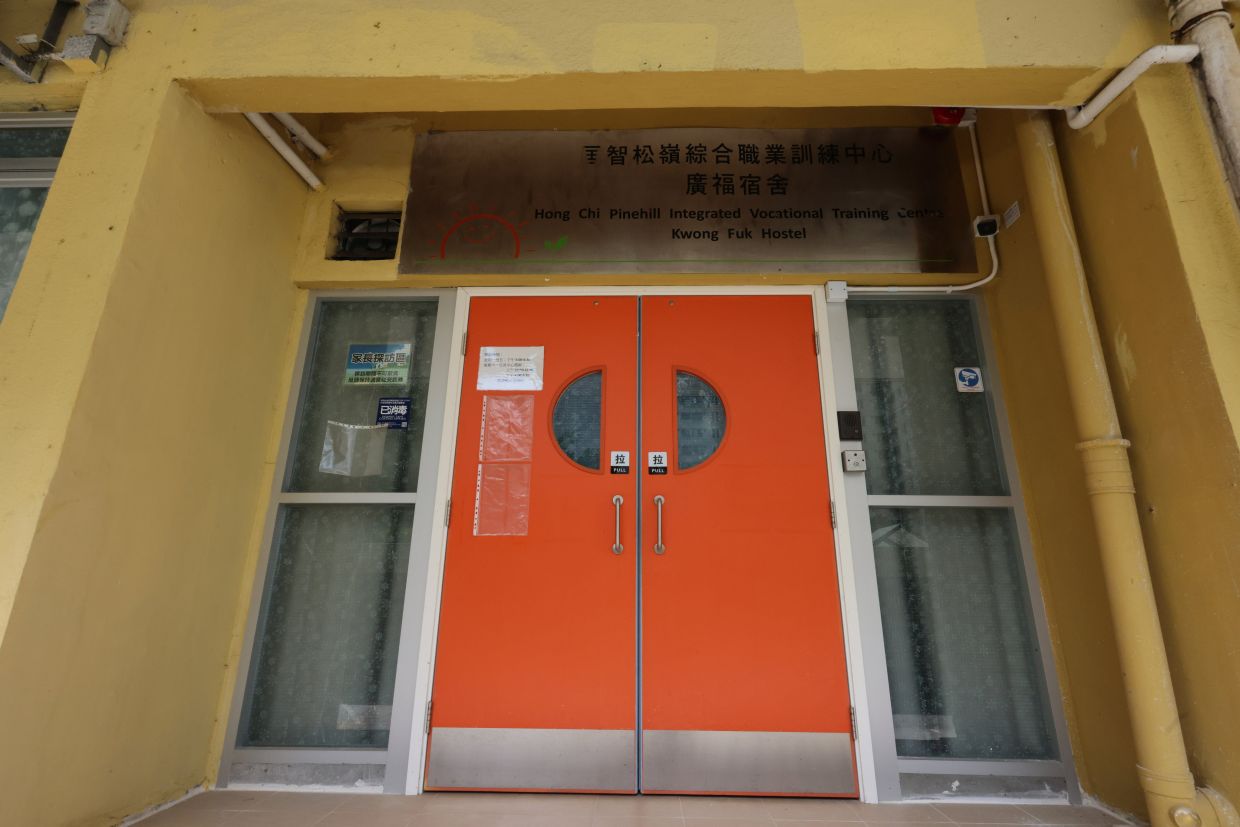
A case highlighting serious vulnerabilities within Hong Kong's residential care system is unfolding at the High Court, where a former assistant warden at an intellectually disabled persons' home faces five rape charges. Chung Pui-kei allegedly committed these offences against a resident at a facility operated by the Chi Association between July and August 2024, raising urgent questions about institutional safeguarding practices and the protection of society's most vulnerable members.
The victim, identified as X during proceedings, was 23 years old at the time of the alleged incidents but possesses the intellectual capacity of a child aged nine years and ten months. This significant cognitive disparity forms the crux of the prosecution's case, as it underscores her inability to provide informed consent and heightens her susceptibility to manipulation and abuse. Prosecutor Human Lam Hiu-man presented evidence suggesting that Chung deliberately cultivated a relationship of trust with X, engaging her in activities such as playing Mario Kart and offering treats like marshmallows—seemingly innocent gestures that masked a calculated predatory strategy.
The prosecution's narrative reveals how institutional proximity enabled alleged abuse. Chung held a position of authority within the residential home where X lived, creating an inherent power imbalance that would have made it extremely difficult for her to resist or report misconduct. The prosecutor noted that on certain occasions, X remained silent during the alleged assaults because she feared being scolded by Chung, demonstrating how his authority was weaponised to silence potential resistance. This pattern of coercion is particularly significant in the Malaysian and regional context, where care homes and residential facilities remain areas of concern regarding vulnerable population protection.
The High Court proceedings, presided over by Judge Douglas Yau Tak-hong with a jury comprising four men and two women, have heard testimony regarding the locations where three alleged rapes occurred in a male staff room and two in X's bedroom. Evidence presented includes video-recorded police interviews with X and surveillance footage obtained during the investigation. The prosecution also introduced physical evidence, including condoms discovered in a locker within the male staff rest area and a bedsheet from X's room containing DNA belonging to both the defendant and the victim, providing forensic corroboration of the prosecutor's allegations.
Medical testimony has established the reliability of X as a witness despite her intellectual disability. Psychiatrist Lydia Lam Yi-ngar from Tai Po Hospital testified that X had been diagnosed with bipolar affective disorder and had undergone hospitalisation in 2018 and 2021 for mental health issues. However, the psychiatrist confirmed that X had remained clinically stable following medication and that assessments conducted in August and October 2024, after the alleged incidents, revealed no signs of psychotic episodes or post-traumatic stress disorder. This medical evidence strengthens the prosecution's position that X's account was reliable.
The question of medication compliance emerged during cross-examination when defence counsel Lawrence Hui Cheuk-lun sought to establish whether X's mental health condition could have caused hallucinations affecting her ability to perceive facial features accurately. The defence strategy appeared aimed at undermining the reliability of X's identification of her alleged attacker. However, the psychiatrist testified that hallucinations were not a documented side effect of valproate sodium, the mood stabiliser that constituted one of X's two medications, and that blood tests confirmed X had been taking her prescribed dosage consistently in July 2024.
Clinical psychologist Wong Yik-tung from the Social Welfare Department conducted the formal assessment of X's intellectual capacity following the alleged assaults. Wong's continued testimony, scheduled to resume on Monday, will provide expert analysis of X's cognitive abilities and capacity to understand events occurring to her body. This psychological evidence is essential to the prosecution's case, as it establishes not merely that X has an intellectual disability, but that this disability rendered her incapable of providing meaningful consent to sexual activity.
The case raises broader systemic concerns about institutional accountability and worker vetting in Hong Kong's disability care sector, issues with direct relevance to Malaysia and other Southeast Asian nations. The Tai Chi Association, the NGO operating the residential home where the alleged offences occurred, now faces reputational damage and potential scrutiny regarding its employment screening processes and safeguarding protocols. Similar organisations across Malaysia and the region must grapple with whether their current systems adequately protect residents from predatory behaviour by staff members in positions of trust.
For Malaysian readers, this case underscores the critical importance of robust legislative frameworks governing care homes for vulnerable populations. Malaysia's regulations governing residential facilities for the disabled, elderly, and infirm require continuous evaluation to ensure they mandate background checks, regular supervision, surveillance systems, and clear reporting mechanisms. The ease with which Chung allegedly exploited his position—manipulating a cognitively impaired resident through seemingly benign gestures before committing crimes—demonstrates how institutional environments can facilitate abuse when safeguards prove inadequate.
The trial's progression will likely establish precedent regarding the prosecution of care workers accused of sexual offences against intellectually disabled residents. Hong Kong's handling of this case, particularly regarding how courts weigh the testimony of intellectually disabled victims against defence challenges, may influence approaches adopted in Malaysian courts and elsewhere in the region. The use of video-recorded interviews and surveillance footage as corroborating evidence alongside medical and psychological testimony offers a model for other jurisdictions seeking to construct robust cases against accused perpetrators.
Beyond the immediate question of Chung's guilt or innocence, the case exposes the vulnerability inherent in systems designed to care for those who cannot advocate effectively for themselves. X's inability to resist or report the alleged abuse over a two-month period represents a systemic failure. Care homes must implement multiple layers of protection, including mandatory reporting requirements for suspicious behaviour, regular external audits, whistleblower protections for staff who raise concerns, and genuine accountability mechanisms that respond swiftly to allegations.
As the trial continues, X's presence in court represents a triumph of determination over intimidation and cognitive limitation. Her willingness to participate in police interviews and provide testimony, despite her intellectual disabilities and the trauma she may have endured, demonstrates remarkable courage. The judicial process now bears responsibility for validating her account and ensuring that those entrusted with protecting society's most vulnerable are held to the highest standards of conduct.

