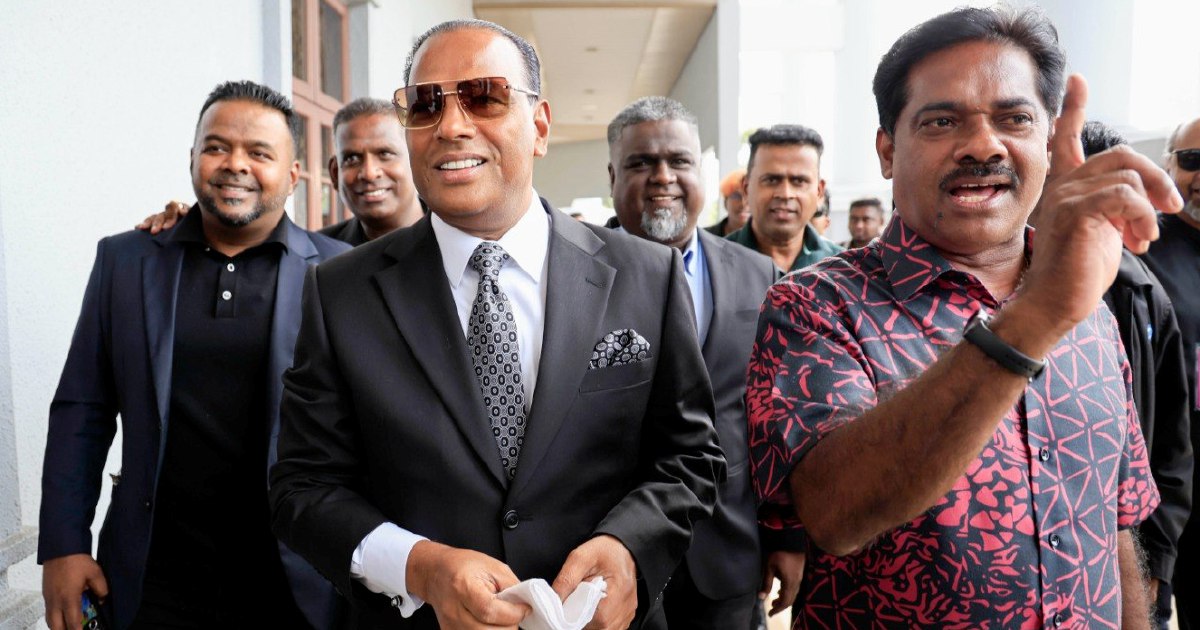
Datuk Seri M. Saravanan, who previously served as Malaysia's Human Resources minister, has forcefully rejected corruption allegations levelled against him, branding the charges as a "wild accusation". The former cabinet member faces three separate counts related to accepting bribes amounting to RM1.097 million, charges that have sparked fresh concern about governance standards within Malaysia's government apparatus.
The case underscores the ongoing challenge of maintaining public confidence in ministerial integrity. Saravanan's categorical denial signals a determination to contest the allegations through legal channels, setting up a significant test of Malaysia's anti-corruption enforcement mechanisms. The charges represent the type of high-profile corruption investigation that commands public scrutiny, particularly given Saravanan's prominent role overseeing human resources policy and labour relations during his tenure.
Saravanan's dismissal of the accusations reflects a broader pattern whereby public figures facing corruption investigations typically mount vigorous defences in the court of public opinion before proceedings commence. His characterisation of the charges as unfounded suggests he intends to challenge both the factual basis and the legal foundation of the prosecution's case. The stakes extend beyond his personal vindication, as the outcome will likely influence perceptions of how effectively Malaysia's judiciary and anti-corruption apparatus function when scrutinising powerful political figures.
The RM1.097 million figure carries significant weight in Malaysia's corruption landscape. This sum represents a substantial allegation, far exceeding typical bribery cases that come before the courts. The specificity of the amount suggests detailed investigative work by relevant authorities, though Saravanan's rebuttal indicates he believes the evidence fails to substantiate the claims. The timing and nature of these charges occur within a broader context of Malaysia's ongoing efforts to enhance transparency and accountability within government institutions.
For Malaysian readers, this case touches upon fundamental questions about institutional accountability and the rule of law. The public's perception of how fairly the legal system treats high-ranking officials influences broader trust in governance. Saravanan's background as a cabinet member means his case has implications beyond his individual circumstances, potentially affecting how citizens view political leadership and official responsibility. The charges arise at a moment when Malaysia continues navigating post-pandemic economic recovery and social cohesion challenges, making questions of governmental integrity particularly salient.
The former minister's response also carries tactical significance within Malaysia's fractious political environment. His aggressive pushback against the accusations may resonate differently across the country's diverse demographic and political constituencies. Some observers may interpret his stance as principled resistance to what he views as politically motivated prosecution, while others might view it as typical behaviour of someone defending against credible allegations. This divergence in public interpretation reflects the polarised nature of contemporary Malaysian politics.
The investigation appears to have resulted in formal charges being filed, indicating that authorities assessed sufficient evidence existed to proceed to trial. This development represents a critical juncture, as it moves the matter from the investigative phase into the judicial system proper. Saravanan's assertion of innocence now becomes subject to examination through established legal procedures, where evidence will be tested against relevant statutes and precedents governing bribery and corruption offences. The court's ultimate determination will carry weight far beyond the individual case.
For the Human Resources ministry and broader public service, the allegations against a former minister inevitably raise questions about internal controls and oversight mechanisms. The portfolio's sensitive nature—involving labour regulations, workforce development, and employment standards—means that any hint of corruption within the ministry's leadership potentially undermines confidence in policy implementation. Nevertheless, Saravanan's departure from the position and the apparent progression of the legal case suggests that institutional processes for addressing misconduct are functioning.
The case also reflects Malaysia's complex relationship with corruption investigations and their political dimensions. Citizens have witnessed previous high-profile cases involving both governmental and corporate figures, creating a backdrop against which this matter will be assessed. Public confidence in the independence and impartiality of anti-corruption agencies remains variable across different segments of Malaysian society, with some viewing investigations as genuine efforts to uphold standards and others interpreting them through a more sceptical lens regarding political motivations.
Saravanan's legal team will likely pursue multiple lines of argument, challenging evidence validity, investigative procedures, and the legal interpretation of relevant statutes. The complexity of corruption cases means that trials often extend across considerable periods, with procedural motions and evidentiary disputes consuming significant court time. Malaysian observers will watch closely to determine whether the judicial system applies consistent standards regardless of an accused person's political stature and connections.
The broader implications of this case extend to Southeast Asia's regional governance narrative. Malaysia's capacity to fairly prosecute officials of high rank influences the country's standing among international observers concerned with transparency and anti-corruption efforts. Regional investors and trading partners monitor how established democracies handle allegations against political leaders, as such cases signal something about institutional strength and independence.
As the legal process unfolds, Saravanan's continued insistence on his innocence will be weighed against the evidence presented by prosecutors. The court's consideration of competing narratives—the prosecution's factual account versus the defence's rebuttal—will ultimately determine the case's outcome. For Malaysian society, the proceedings offer an opportunity to observe whether the nation's legal system can fairly adjudicate serious allegations regardless of an accused person's former governmental status, a test that carries significance extending well beyond this individual matter.

