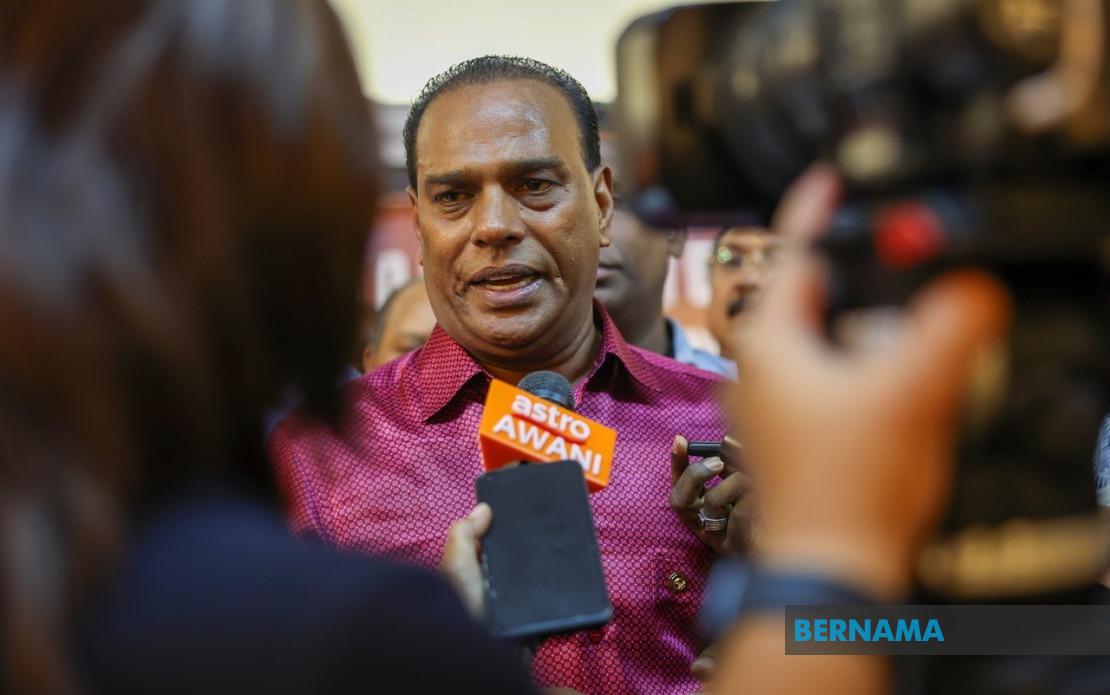
Datuk Seri M. Saravanan, the former Human Resources Minister and MIC deputy president, has confirmed through a video statement that he will appear before the Sessions Court in Kuala Lumpur to face charges, with proceedings set to begin on August 28. The Tapah Member of Parliament indicated that the allegations stem from a third-party statement concerning his involvement in foreign worker employment matters during the height of the pandemic in 2022, an issue that has drawn scrutiny from anti-corruption authorities.
The core of Saravanan's predicament lies in how the accusation emerged. According to his account, the original statement incriminating him was provided by an individual who has since passed away—approximately two months prior to his current legal situation. This timeline raises important procedural questions about how allegations can proceed when key witnesses become unavailable, a challenge that routinely confronts Malaysia's justice system and has implications for the robustness of corruption investigations.
What complicates the matter further is that the individual who made the initial allegation subsequently executed a Statutory Declaration withdrawing those very accusations before his death. This retraction represents a significant procedural development, as it suggests the witness himself determined the allegations were unfounded or were made in error. Nevertheless, the prosecution has proceeded with charging the former minister, indicating that MACC investigators determined sufficient grounds existed to pursue the case regardless of the witness's change of position.
Saravanan has steadfastly denied any impropriety, emphasizing in his statement that he maintained no personal contact with the deceased accuser through any communication channel, whether telephone or messaging services. His denial goes beyond mere categorical rejection, stressing the absence of any relationship or interaction that could substantiate the allegations. For a politician facing such serious charges, establishing this distance from the witness becomes crucial to his defence strategy.
Despite the complications surrounding witness availability and retraction, Saravanan has signalled his willingness to mount a vigorous legal defence. Rather than seeking delays or adjournments, his legal team intends to petition the Sessions Court for expedited proceedings, a tactical choice suggesting confidence in his ability to challenge the evidence. This approach stands in contrast to typical defences in such cases, which often request extended timelines for preparation.
The charges themselves invoke Section 16 of the Malaysian Anti-Corruption Commission Act 2009, which addresses the solicitation, receipt, giving, promising or offering of bribes. This statutory framework represents one of the most serious allegations available under Malaysia's anti-corruption regime, carrying substantial penalties upon conviction. The invocation of this particular section indicates that investigators concluded the alleged foreign worker hiring matter involved corrupt financial transactions or improper inducements.
The timing of this prosecution deserves consideration within Malaysia's broader political context. The foreign worker employment issue during the pandemic became a flashpoint for governance debates, with multiple agencies involved in managing labour policies during lockdowns and economic disruption. Questions about who made hiring decisions, under what authority, and whether proper procedures were followed generated significant public interest at the time. This case represents one of the few instances where individual accountability is being pursued through the courts.
The Malaysian Anti-Corruption Commission's decision to proceed despite the witness's death and retraction underscores the agency's confidence in corroborating evidence it has obtained during investigation. MACC likely uncovered documentary evidence, financial records, or testimony from other sources that independently substantiates the allegations. This multi-source approach to building cases has become standard practice for Malaysia's premier anti-corruption body, reducing reliance on single witnesses.
For MIC and the broader political establishment, this case presents a delicate situation. As deputy president of a major component party within the Barisan Nasional coalition, Saravanan's legal troubles invite scrutiny of party governance and internal accountability mechanisms. The case also reflects ongoing tensions between government ministries and oversight bodies regarding procurement and employment decisions made during the emergency period of the pandemic.
The broader implications for Malaysia's anti-corruption efforts warrant attention. Foreign worker hiring during the pandemic involved multiple governmental touchpoints and opportunities for irregularity, yet prosecution of high-ranking officials remains relatively uncommon. If Saravanan faces conviction, it could signal increased willingness by authorities to pursue such matters. Conversely, acquittal might suggest higher evidentiary thresholds or vulnerabilities in investigation methodologies.
Saravanan's determination to seek expedited trial proceedings may reflect both confidence in his position and pragmatic recognition that prolonged legal uncertainty damages both personal reputation and political viability. For observers monitoring Malaysia's anti-corruption performance, this case will serve as a test of whether the justice system can effectively adjudicate complex allegations involving government officials and pandemic-era employment decisions, ultimately holding public servants accountable while maintaining procedural fairness.

