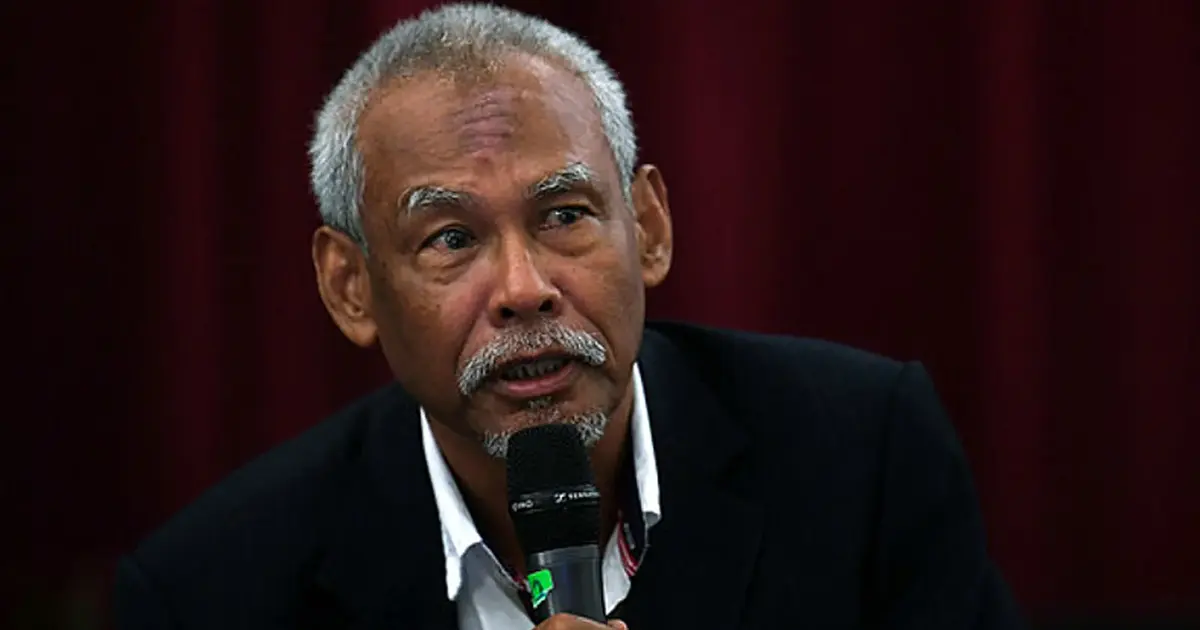
Malaysia's highest court has closed the door on a high-profile legal challenge by former Inspector-General of Police Musa Hassan, rejecting his bid to review a defamation case that has dragged through the judiciary for years. The apex court determined that nine constitutional questions raised by Hassan concerning a public officer's right to pursue defamation claims and the scope of freedom of speech do not meet the threshold for judicial review, effectively ending his attempt to overturn lower court decisions against him.
The case represents a significant moment in Malaysian jurisprudence, touching on the delicate balance between protecting public figures from reputation damage and preserving the right of ordinary citizens to criticize those in positions of authority. Hassan's legal team had constructed an argument centring on whether individuals holding high office should possess the same defamation remedies available to private citizens, and whether such lawsuits might unduly restrict legitimate public discourse about government officials. These questions carry implications extending far beyond Hassan's personal circumstances, potentially affecting how journalists, activists, and ordinary Malaysians can discuss matters of public interest involving senior state officials.
The court's refusal to grant a review suggests the judicial establishment believes the lower courts had adequately addressed the legal questions at hand and that no exceptional circumstances existed warranting intervention by the apex bench. This decision implicitly affirms previous rulings against Hassan, reinforcing the principle that public servants retain their capacity to defend their reputation through defamation law. For Hassan specifically, the ruling closes what appeared to be his final legal avenue to overturn or substantially modify the original judgment against him.
Hassan's tenure as Inspector-General of Police from 2003 to 2008 placed him at the helm of Malaysia's federal police force during a period marked by significant national developments and considerable public scrutiny. His subsequent emergence as a litigant in civil defamation proceedings reflects the often contentious landscape of Malaysian politics and public discourse, where allegations regarding official conduct frequently become sources of legal dispute. The defamation case against him arose from accusations or statements that Hassan contested as damaging to his reputation, prompting him to pursue legal recourse.
The constitutional questions Hassan raised warrant understanding, as they remain pertinent in Malaysia's evolving media and information landscape. His legal arguments essentially probed whether the Constitution's guarantees of freedom of speech and expression should operate as a shield against defamation claims brought by state officials. In many democracies, public figures enjoy higher thresholds of protection before they can successfully pursue defamation claims, reflecting the notion that those wielding state power should tolerate greater criticism from the public. However, Malaysian law has generally not adopted such categorical protections for officials, treating them similarly to ordinary citizens in defamation matters.
The apex court's decision to decline review means the established legal position stands: public officials retain the capacity to pursue defamation remedies without exceptional constitutional constraints. This positioning has implications for journalists reporting on government corruption, historians documenting official conduct, and citizens sharing information about police activities. While defamation law itself permits truth as a defence, the burden of proving truth in court can be onerous and expensive, potentially discouraging legitimate criticism of official actions.
For Malaysian legal observers, the judgment reinforces the principle that constitutional freedom of speech, while guaranteed, does not represent an absolute bar against civil liability for false statements damaging reputation. The courts have indicated that both the individual's right to reputation and the public's right to information must coexist within a legal framework, with neither entirely overriding the other. This middle-ground approach reflects Malaysia's common-law inheritance while adapting to local constitutional provisions.
The implications ripple through Malaysian media and civil society sectors. News organizations and online publishers must continue navigating the tension between reporting critically on official matters and managing defamation exposure when public figures contest published claims. The ruling suggests courts will not expand constitutional protections for press criticism of officials beyond what existing defamation doctrine already permits. Journalists reporting on matters involving former high-ranking officials like Hassan must therefore maintain rigorous evidentiary standards and document their sources thoroughly.
Hassan's case also illuminates how Malaysia's senior judiciary approaches constitutional petitions at the apex level. The court's determination that nine purportedly fundamental questions lacked sufficient merit for review indicates a fairly stringent threshold for accepting such matters. This approach prioritizes judicial economy and finality while preventing endless challenges to established legal positions. For litigants, it underscores that succeeding at trial and appellate levels does not automatically grant access to the highest court's review function.
The practical effect of this judgment is to finalize the lower court's decision regarding the specific defamation dispute between Hassan and his adversary. Unless Hassan pursues extraordinary remedies or evidence of procedural irregularities emerges, the case enters its final phase of enforcement. This conclusion may provide closure to a prolonged legal proceeding that has consumed resources and occupied public attention across multiple years of litigation.
Looking forward, the decision will likely influence how similar cases involving former government officials navigate the courts. Other public figures considering defamation litigation can point to this judgment as confirmation that Malaysian courts recognize their legal standing to pursue such claims. Conversely, those facing potential defamation suits from official quarters understand that constitutional arguments challenging such suits' basic legitimacy face significant obstacles in persuading the apex court.
The case exemplifies broader tensions in Malaysia's constitutional framework between protecting individual reputation and facilitating robust democratic discourse. As the information environment becomes increasingly complex with social media enabling instant, widespread communication, these questions will recur in different forms. Hassan's unsuccessful attempt to establish stronger constitutional protections for defamation defendants has left Malaysia's legal position substantially unchanged, maintaining the current equilibrium that requires critics of officials to substantiate their claims while allowing officials to vindicate their reputation through the courts.

