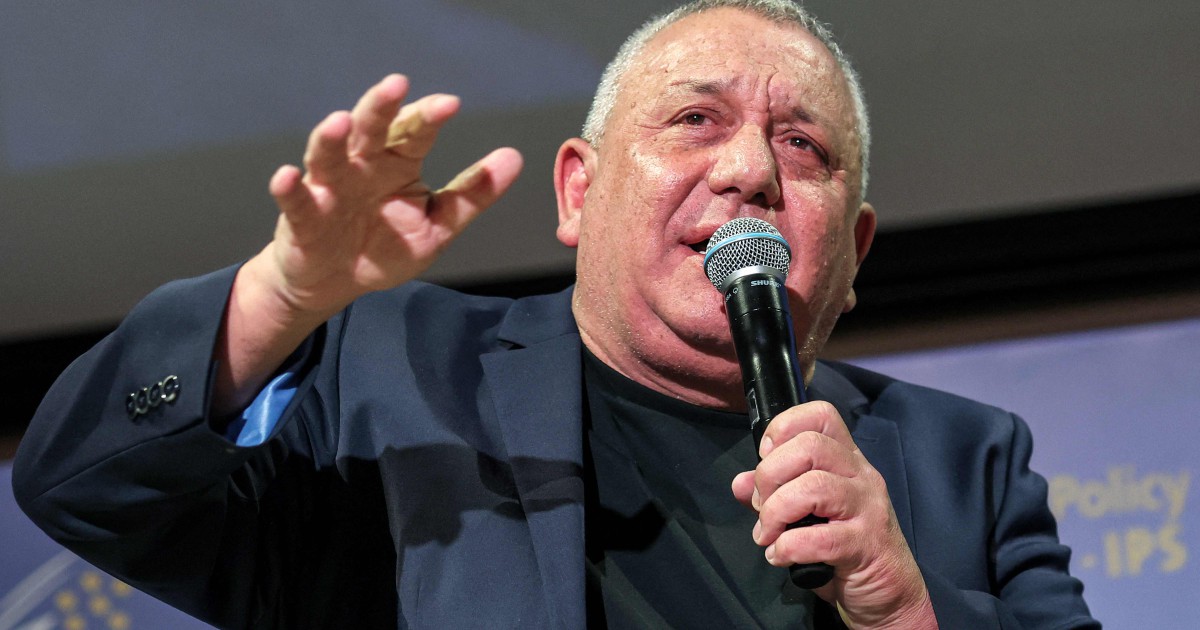
As Israel prepares for a high-stakes general election on October 27, the political arena has crystallised around two dominant figures: incumbent Prime Minister Benjamin Netanyahu and Gadi Eisenkot, the retired former chief of the Israeli Defence Forces. The emergence of Eisenkot as Netanyahu's principal challenger marks a significant realignment in Israeli politics, with the ex-military commander appealing to voters seeking an alternative direction after years of political turbulence and security crises.
Eisenkot's transition from military leadership to the political stage represents a pattern familiar in Israeli politics, where senior defence establishment figures have historically wielded considerable influence over public opinion. His background commanding the IDF provides him with credibility on security matters—traditionally the dominant issue shaping Israeli electoral choices. For voters concerned about ongoing regional tensions and domestic stability, Eisenkot's military pedigree offers an alternative to Netanyahu's controversial tenure, which has been marked by legal challenges and polarising governance.
The competitive nature of this election underscores deepening divisions within Israeli society. Netanyahu's political coalition has faced sustained pressure from multiple opposition groups, yet the crystallisation of support around Eisenkot suggests that voters may be coalescing behind a single alternative candidate rather than fragmenting across numerous smaller parties. This concentration of anti-Netanyahu sentiment could prove decisive in determining the election's outcome and whether the current government can retain its parliamentary majority.
Eisenkot's political platform emphasises stability and inclusive governance, contrasting sharply with Netanyahu's combative approach to both domestic opposition and international diplomacy. The former military chief has positioned himself as capable of bridging ideological divides within Israeli society, a message that resonates particularly among centrist and moderate voters exhausted by years of political polarisation. His appeal transcends traditional left-right boundaries, drawing support from security-conscious voters across the political spectrum who prioritise effective governance over ideological purity.
The timing of this election carries particular weight for Malaysia and broader Southeast Asian perspectives on regional stability. Israel's political direction influences its approach to regional conflicts, diplomatic engagement, and security posture. An election result favouring either Netanyahu or Eisenkot could reshape Israeli foreign policy priorities and affect the broader Middle Eastern geopolitical balance, with implications extending to global supply chains, energy security, and international relations that touch Southeast Asian interests.
Netanyahu's lengthy tenure has left an indelible mark on Israeli politics, but mounting challenges—including corruption allegations, judicial proceedings, and criticism of his government's handling of various crises—have eroded his once-dominant position. The emergence of a credible alternative in Eisenkot reflects voter appetite for change, even if that change remains within the mainstream political centre rather than representing a radical departure from established security doctrines.
Eisenkot's campaign strategy focuses on institutional renewal and strengthened democratic norms, positioning himself as a stabilising force in Israeli politics. Unlike fringe political movements that have gained traction through populist messaging, Eisenkot represents establishment competence and professional military experience. This approach appeals to voters who fear political chaos but desire substantive change from current leadership, creating a distinct political space that neither Netanyahu nor further-left opposition figures have effectively occupied.
The campaign dynamics reveal important patterns about Israeli voter behaviour and democratic engagement. Despite deep societal divisions, Israeli voters continue engaging with electoral processes at high rates, suggesting that democratic institutions retain legitimacy despite political tensions. The contest between Netanyahu and Eisenkot will likely focus on competence, vision for economic management, and approaches to security challenges rather than purely ideological disputes, reflecting pragmatic voter concerns about governmental performance.
Regional observers should monitor this election closely, as Israeli political outcomes frequently trigger shifts in diplomatic relationships and security strategies throughout the Middle East and beyond. An Eisenkot victory could signal Israeli electorate preferences for different international engagement styles, while a Netanyahu continuation would validate his claims of indispensability to Israeli security. Either outcome will reshape the regional balance and influence international relations patterns for years ahead, making October 27 consequential not merely for Israelis but for global stakeholders invested in Middle Eastern stability.
The concentration of electoral competition around these two prominent figures suggests that Israeli voters increasingly view elections as choices between individual leaders rather than ideological movements. This personalisation of politics reflects global trends while also reflecting Israel's particular political culture, where military leadership and security expertise command significant public respect. As campaigning intensifies toward polling day, the contest between Netanyahu's experience and Eisenkot's alternative vision will define Israeli political discourse and determine the trajectory of the nation's governance for the coming years.

