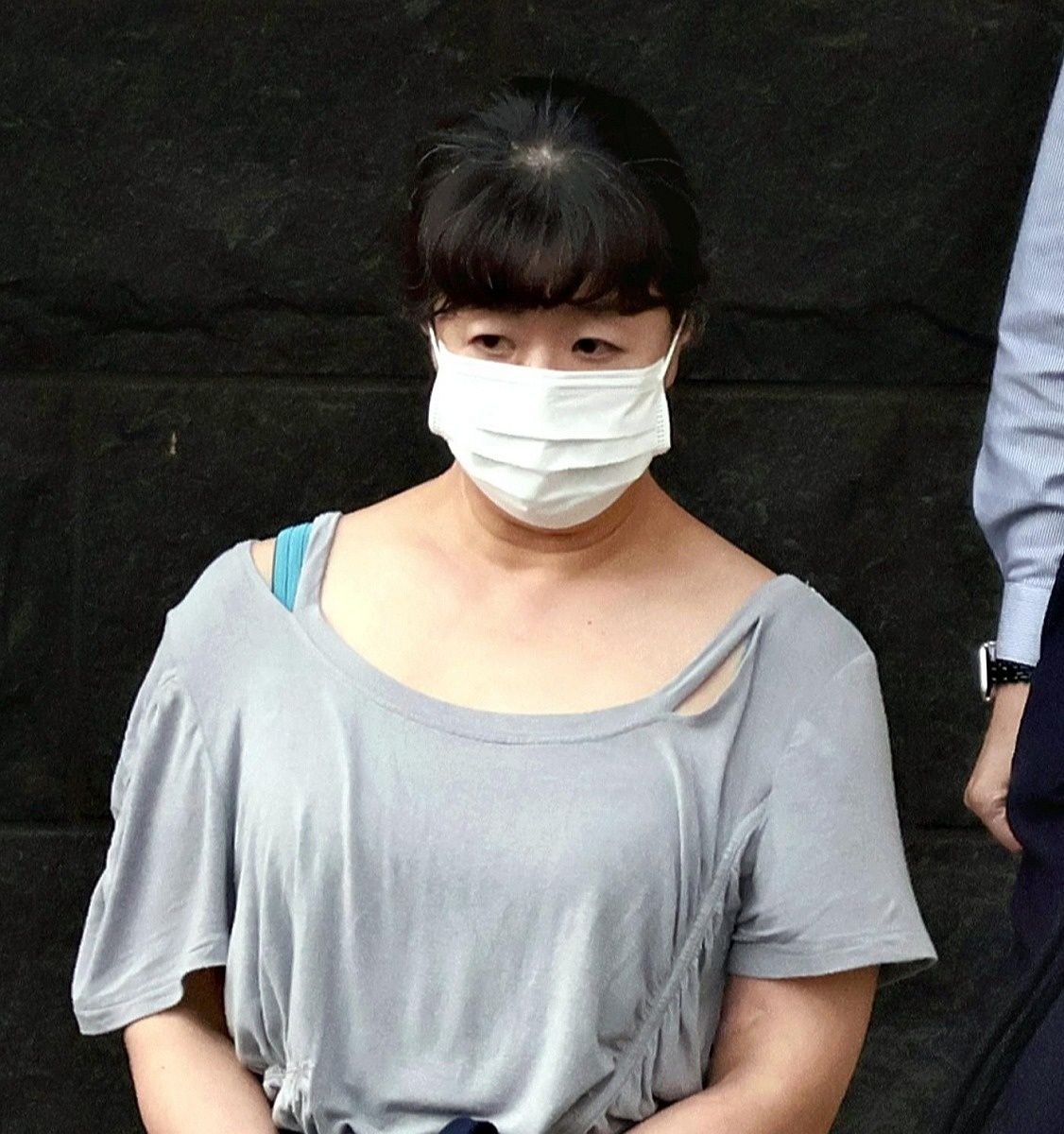
A 51-year-old woman working as a nurse in Japan's Chiba Prefecture has been arrested on suspicion of deliberately tampering with a patient's medical equipment in a case that has raised serious questions about hospital safety protocols and patient care oversight in healthcare facilities across the country. Miyuki Furukawa, a Kashiwa resident who was employed as head nurse during night shifts at Kashiwa Tanaka Hospital, faces allegations that she caused the death of Eiji Aida, a 75-year-old patient, by introducing faecal matter into his intravenous drip line on January 30. The incident has shocked Japan's medical community and prompted renewed scrutiny of security measures and staff conduct in healthcare settings.
The suspected contamination occurred at approximately 3:55 in the morning, when monitoring systems in the hospital's patient wards were at their lowest capacity. Security camera footage from the facility later showed Furukawa entering and exiting Aida's room during the critical timeframe. The patient's condition deteriorated rapidly following the incident, and he was pronounced dead shortly after 10:30 in the evening on January 31. Medical examination determined that multiple organ failure caused by sepsis was responsible for his death, and subsequent blood tests confirmed the presence of bacteria indigenous to human faeces, providing physical evidence linking the contamination to the cause of death.
The discovery of the suspected tampering came about a day after the patient's death, when another hospital staff member noticed that the extension tube of the IV drip had taken on a brownish discolouration. This observant colleague reported the finding to hospital management and subsequently contacted the Kashiwa Police on February 1, alerting authorities to the possibility that a foreign substance had been deliberately introduced into the medical equipment. The timing of this discovery gave investigators a narrow window to preserve evidence and begin their inquiry while memories of the morning's events remained fresh.
Investigators uncovered additional circumstantial evidence that has strengthened their case against Furukawa. Police sources revealed that the suspect had engaged in a prior altercation with the deceased patient, establishing a potential motive for the alleged act. More significantly, digital evidence showed that Furukawa had conducted internet searches on her personal smartphone using search terms specifically inquiring whether introducing faecal matter through injection could be fatal. These searches, conducted before the incident, suggest premeditation and advance consideration of the method employed, though investigators continue to examine the full context and timeline of these digital activities.
When confronted with the allegations, Furukawa denied culpability, stating that she did not insert faeces into the IV tube. Despite her denial, the convergence of security footage, physical evidence from the contaminated medical equipment, witness testimony from colleagues, and digital records has provided authorities with substantial grounds for the arrest and ongoing investigation. The case represents a particularly troubling breach of the fundamental trust that patients and their families place in healthcare providers and institutions.
The timing of Furukawa's departure from the hospital adds another layer of complexity to the investigation. She resigned from her position at Kashiwa Tanaka Hospital at the end of February, nearly a month after the patient's death and just weeks after the discovery of the contamination. Since leaving that facility, she had secured employment as a midwife at another hospital in Tokyo, raising questions about whether her employment history and circumstances of departure were adequately communicated to her new employer or whether enhanced background screening procedures might have flagged the ongoing investigation.
Chiba prefectural police have indicated that their investigation remains active and ongoing, with particular focus on determining Furukawa's precise motive for the alleged act beyond the prior disagreement with the patient. Detectives are attempting to establish whether the incident was an isolated act of violence or whether similar patterns of behaviour might warrant examination of her conduct toward other patients. The psychological evaluation of the suspect's state of mind and any underlying mental health factors that may have contributed to her alleged actions will likely form a significant component of the investigation moving forward.
Aoikai, the hospital organisation responsible for operating Kashiwa Tanaka Hospital, released a formal statement acknowledging the gravity of the situation and emphasising the institution's commitment to supporting the investigation. The organisation characterised the alleged conduct as fundamentally incompatible with the values and ethical standards expected of healthcare professionals, underscoring that such actions represent a violation not only of professional responsibility but of basic human decency. The hospital pledged full cooperation with law enforcement authorities and committed to implementing measures aimed at revealing the complete facts surrounding the incident.
This case carries significant implications for healthcare management throughout Japan and Southeast Asia more broadly. It underscores the vulnerability of patients in hospital settings and the critical importance of comprehensive security systems, staff monitoring, and institutional safeguards designed to protect vulnerable individuals in medical care. The incident has prompted hospital administrators across the region to reconsider existing protocols for supervision of staff members, particularly during night shift operations when staffing levels are reduced and oversight capacity is diminished. For Malaysian healthcare facilities and those throughout the region, this case serves as a sobering reminder of the need for robust internal controls, comprehensive background checks, and continuous monitoring systems that can detect irregularities before they result in patient harm.

