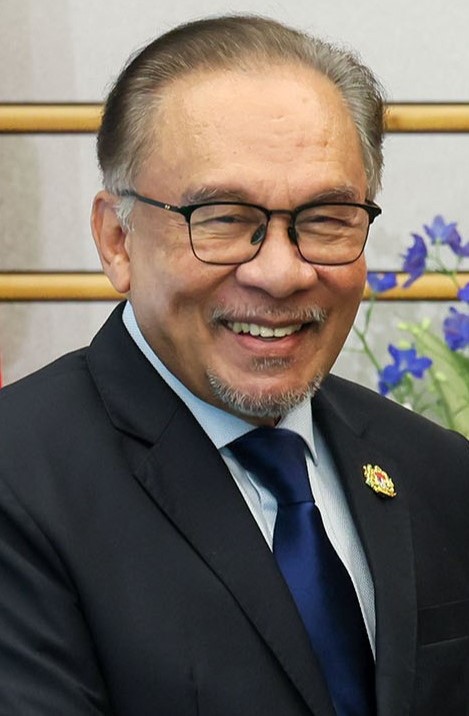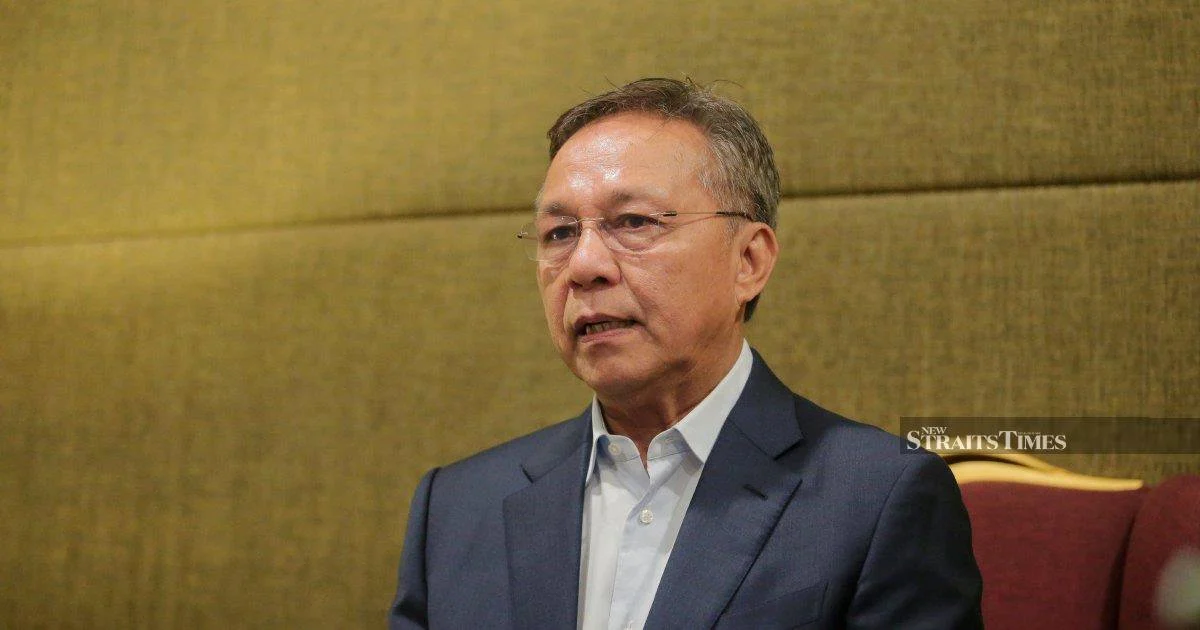
Datuk Seri Hasni Mohammad, who previously held the position of menteri besar in Johor, has been notably absent from the Barisan Nasional's list of candidates competing in the upcoming state election. The prominent omission of the veteran politician from the state slate has set off considerable speculation within political circles about his next move, with observers suggesting he may seek a parliamentary seat when Malaysia holds its next general election.
The removal of Hasni from the Johor BN candidate list marks a significant development in the state's political landscape. As a figure who held high office in the state government, his exclusion from the state-level contest represents a strategic repositioning that suggests party leadership may be reserving him for a different electoral stage. Political analysts in Johor and beyond have begun examining what this shift might signal about his future trajectory and the coalition's broader electoral strategy.
Hashni Mohammad's career in the Johor administration spans decades, during which he accumulated considerable experience in state governance and accumulated a substantial political network. His departure from the state election roster does not necessarily signal a withdrawal from politics entirely. Rather, the timing and circumstances of his exclusion have prompted observers to consider whether the veteran politician might be gearing up for a parliamentary contest, which would represent a shift upward in the political hierarchy.
The speculation surrounding Hasni's next political move reflects broader patterns within Malaysian politics, where senior figures sometimes transition between state and federal electoral contests based on party strategy and personal considerations. Such moves can be calculated decisions by party machinery to position established figures where they might be most effective or to manage succession planning across different tiers of governance. In Johor, where Barisan Nasional has historically maintained substantial influence, the placement of senior candidates across state and parliamentary seats carries significant implications for the coalition's overall competitiveness.
Within the context of federal politics, parliamentary seats often attract heavyweight candidates who have either completed their service at the state level or are being prepared for greater responsibilities at the national legislature. The speculation that Hasni might contest a parliamentary seat aligns with this pattern, suggesting that Johor BN leadership may view him as a stronger asset in a federal race than in the state contest. This assessment would reflect confidence in his ability to compete effectively at a higher level of representation.
The Johor political scene has undergone considerable transitions in recent years, with various figures moving between different positions and electoral contests. The coalition has had to carefully manage its candidate selection to maintain strongholds while attempting to reclaim lost ground. Against this backdrop, decisions about where to deploy senior and experienced politicians take on added weight. Hasni's exclusion from the state list must be understood as part of this broader strategic calculus.
For Malaysian political observers, the movement of figures like Hasni between electoral levels provides insights into how parties are thinking about their strengths and weaknesses in different constituencies. His potential shift from state to federal politics could indicate that Barisan Nasional assesses him as having particular strengths in a parliamentary constituency, whether in terms of vote-winning ability, demographic appeal, or other strategic considerations. It may also reflect judgments about the competitive dynamics between different political parties at the state versus federal level.
The timing of Hasni's removal from the state candidate slate also invites consideration of how the coalition is reshaping its leadership bench. Exclusion from one race does not preclude participation in another, and the party's decision to keep him out of the state contest while potentially preparing him for parliamentary candidacy demonstrates flexibility in electoral planning. This approach allows Barisan Nasional to manage multiple electoral calendars and position its candidates strategically across the political landscape.
Looking ahead, the political community will be watching whether Hasni indeed emerges as a candidate when the next general election is called. If he does contest a parliamentary seat, observers will scrutinize which constituency he contests and against which opponents, as these details could reveal more about party strategy and Hasni's own political prospects. His performance in any parliamentary race would also carry significance for how other senior figures assess opportunities at different levels of electoral competition.
The exclusion of veteran politicians from state races in favour of potential federal contests reflects evolving dynamics within Malaysia's political parties. As coalitions and individual politicians recalibrate their positions following changes in electoral fortunes and demographic shifts, such repositioning will likely continue. For Johor specifically, managing the transition of senior figures between state and federal roles remains an important factor in how Barisan Nasional maintains its political presence across both levels of government.
The broader implication of Hasni's situation extends to questions about how established political figures in Malaysia navigate changing circumstances and how parties decide to deploy their most experienced candidates. Whether he contests a parliamentary seat or pursues other opportunities, his trajectory will continue to offer insights into the calculations and considerations that shape candidate selection and political positioning in contemporary Malaysian politics.