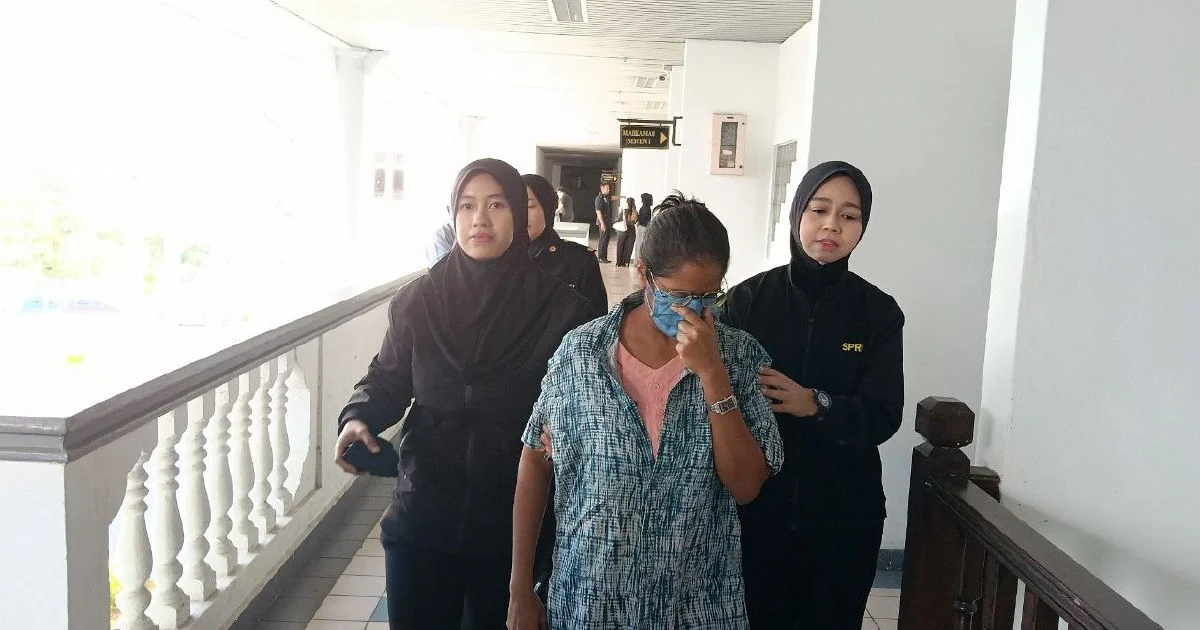
A former senior civil servant from Melaka has been brought before the Ayer Keroh Sessions Court to face serious allegations of financial misconduct. The individual stands charged with seven counts involving the misappropriation of public funds and fraudulent dealings, with the total sum in question exceeding RM60,000. The case highlights ongoing concerns about financial accountability within state government institutions and the mechanisms in place to detect irregularities in fund management.
The charges carry significant weight given the positions of trust traditionally held by senior civil servants within state administrations. Such officials typically have access to sensitive financial accounts and procurement processes, making their conduct subject to heightened scrutiny. The scale of the alleged misconduct—spanning multiple counts rather than a single transaction—suggests a pattern of behaviour rather than isolated lapses in judgement, which may influence how the case unfolds before the courts.
Melaka, as a state with a growing economy centred on tourism and manufacturing, depends heavily on the integrity of its civil service to maintain public confidence and attract investment. When allegations of financial impropriety emerge from within the ranks of government administration, they can undermine stakeholder trust and complicate efforts to promote economic stability in the region. The fact that the charges involve dealings with state executive council members adds another layer of gravity, as it points to potential breaches of the relationship between administrators and political leadership.
The misappropriation allegations are particularly concerning in the context of Malaysian governance reforms in recent years. Authorities have intensified efforts to combat corruption at all levels of the public sector, with enhanced mechanisms for internal audits and external oversight. The court appearance of this former official demonstrates that investigative bodies are actively pursuing cases that might previously have escaped public scrutiny, though questions remain about how such conduct went undetected for a period of time.
For Malaysian readers, cases of this nature underscore the importance of robust financial controls within state governments. The existence of cheating charges alongside misappropriation suggests that the individual allegedly employed deceptive practices to conceal or justify the diversion of funds. This distinction matters because it indicates premeditation rather than carelessness, a factor that courts will likely weigh when determining sentencing guidelines should conviction follow.
The involvement of multiple executive council members as alleged victims signals that the misconduct may have affected various portfolios or departmental budgets rather than a single area of administration. This broader scope of alleged wrongdoing could complicate the investigation and trial process, as prosecutors must establish separate elements of culpability for each charge while demonstrating a coherent pattern of behaviour across different incidents.
Melaka's experience with this case is not unique within Southeast Asia, where several nations have grappled with civil service corruption scandals in recent years. However, the state's willingness to pursue the matter through the formal court system reflects commitment to accountability principles, even when the accused held positions of seniority. Regional observers will likely monitor the case's progression to gauge the effectiveness of Malaysia's anti-corruption frameworks in addressing wrongdoing at the state level.
The RM60,000 threshold mentioned in the charges represents a substantial amount that would have been difficult to misappropriate without some level of systemic oversight failure. Questions may arise during trial regarding what safeguards were in place to detect such fund transfers, whether internal audit processes functioned adequately, and how the alleged perpetrator maintained access to accounts for a period sufficient to accumulate such losses. These procedural aspects will be crucial in understanding how the misconduct occurred.
For civil servants throughout Malaysia, the case serves as a reminder that even senior positions offer no immunity from legal scrutiny when financial impropriety is alleged. The prosecution's decision to pursue multiple counts demonstrates that Malaysian authorities treat such matters with appropriate gravity, signalling that positions of trust come with corresponding legal obligations. The outcome of this trial could influence how state governments approach financial controls and staff accountability protocols in the coming years.
The court proceedings at Ayer Keroh will be closely watched by governance advocates and civil society organisations monitoring anti-corruption efforts across the country. The manner in which the prosecution presents evidence and how the defence responds will provide insight into evolving standards for financial accountability in state administration. As Malaysia continues to pursue transparency and integrity in public service, individual cases such as this contribute to broader patterns of institutional learning and reform implementation.