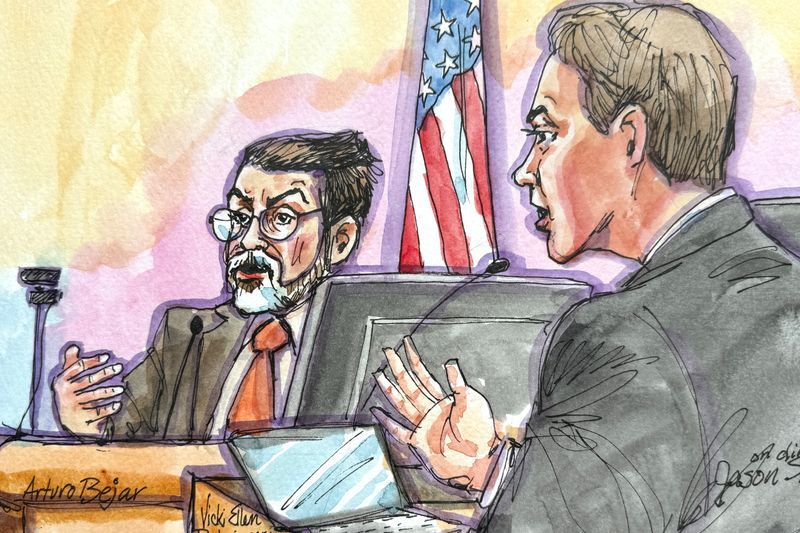
Arturo Bejar, a former engineering leader at Meta who became the company's most prominent internal critic, returned to the witness stand on Wednesday in what legal experts describe as the most significant courtroom test of social media's effects on young people. The trial, unfolding in an Oakland, California federal courthouse, represents a watershed moment for how platforms like Facebook and Instagram will be regulated regarding child safety—with potential consequences that extend far beyond the United States and could influence regulatory approaches across Southeast Asia and other regions.
Bejar's testimony carries particular weight because he occupied a rare position: someone with direct access to internal data and decision-makers at one of the world's most powerful technology companies during a critical period. Between 2019 and 2021, he led research teams examining how Instagram affected teenage well-being, conducting extensive surveys and analysing user experiences. During that time, he repeatedly escalated concerns to senior Meta leadership, including chief product officer Chris Cox, warning that young people were suffering harm at unexpectedly high rates. His departure from the company and subsequent decision to testify against it mark him as a rare example of an insider willing to challenge corporate decisions with detailed evidence.
The lawsuit itself represents an unprecedented coalition of state authorities taking unified action against a technology giant. Four states—California, Colorado, Kentucky and New Jersey—are bringing specific allegations that Meta deliberately engineered its platforms to foster addiction in young users, deliberately misled the public about safety features, and violated federal law by improperly collecting personal information from children under 13. An additional 29 states have joined the litigation focusing on data collection violations. This breadth of legal action suggests growing consensus among US policymakers that voluntary industry self-regulation has failed to protect minors from demonstrable harms.
Bejar's core contention challenges Meta's fundamental defense mechanisms. The company has long argued that it prioritises user safety and conducts rigorous internal monitoring to identify and eliminate harmful content. However, Bejar provided specific evidence that Meta's surveillance methodology was fundamentally flawed in how it measured impact. The company focused on prevalence—how common policy-violating content appeared across the platform—but largely ignored the actual magnitude of harm that individual users experienced. When he presented jurors with an email to Chris Cox highlighting this discrepancy, Bejar demonstrated that Meta possessed internal knowledge of this measurement gap yet appeared to have taken limited corrective action.
The testimony also underscores a broader tension in how technology companies communicate about child safety to regulators, parents and the public. Bejar articulated a simple but powerful argument: parents would fundamentally alter their decisions about allowing children to use these platforms if they understood the true prevalence and severity of harm. This reframes the debate from abstract questions about platform design to concrete parental choice and informed consent. For Malaysian families and Southeast Asian parents navigating similar decisions about their own children's social media usage, Bejar's testimony provides rare documentary evidence about what internal research actually revealed versus what companies publicly stated.
Meta's legal strategy in response has been combative. The company unsuccessfully attempted to block Bejar's testimony entirely, arguing that he had destroyed evidence by deleting communications with former colleagues through encrypted messaging platform Signal. US District Judge Yvonne Gonzalez Rogers, who is presiding over the trial, rejected this challenge, characterising the effort as a transparent last-ditch attempt to eliminate a damaging witness. This judicial decision suggests that courts will not permit technical arguments about evidence handling to shield companies from accountability when credible witnesses possess direct knowledge of internal practices.
Bejar's role in previous Meta-related litigation strengthens his current testimony. He has testified in three cases that proceeded to trial, and his involvement in a New Mexico lawsuit resulted in a landmark judgment: Meta was ordered to pay $942 million in damages and penalties, plus required to implement specific changes to how the platforms operate within that state. This track record demonstrates that his testimony translates into measurable legal consequences, making him an exceptionally high-value witness for the current coalition of states. Meta's apparent inability to discredit or eliminate him as a witness suggests the company faces significant evidentiary disadvantages.
The broader context matters for understanding why this trial reverberates beyond American borders. Meta operates globally, including throughout Southeast Asia where smartphone penetration and youth social media usage rates rival or exceed those in developed nations. If US courts establish legal precedents holding Meta liable for platform design choices that harm young users, regulators in Malaysia, Singapore, Indonesia and other regional jurisdictions will likely cite these decisions when considering their own regulatory frameworks. The company's business model—generating revenue through advertising enabled by extensive user data collection and engagement optimisation—remains identical across jurisdictions, suggesting that any harms identified in the US trial would likely manifest similarly in Asian markets.
Bejar's Senate testimony in 2023, which preceded his courtroom appearances, provided additional context for his credibility. He informed federal lawmakers that Meta was demonstrably aware of harassment and other documented harms affecting teenagers on its platforms yet failed to implement adequate remedial measures. This created a public record establishing that Bejar had raised these concerns through official channels well before becoming a trial witness, suggesting his motivations are rooted in genuine concern rather than opportunism. His willingness to maintain consistent messaging across multiple forums—internal company escalations, congressional testimony, and courtroom proceedings—strengthens the impression of reliability.
The trial's expected six-week duration indicates the substantial complexity and volume of evidence the states will present. Multiple witnesses will presumably follow Bejar, potentially including former executives, independent researchers, and possibly affected teenagers or their families. The breadth of allegations—from addictive design through safety misrepresentation to unlawful data collection—means the trial will explore Meta's practices across numerous dimensions simultaneously. This comprehensive approach prevents Meta from defending itself by claiming isolated incidents or narrow interpretations of company policy.
For Malaysian stakeholders observing this trial, several implications deserve attention. First, this litigation may establish precedents that Malaysian regulators will eventually invoke when setting their own social media safety standards. Second, if Meta loses substantially, the company may implement platform modifications that first appear in the US before rolling out regionally, meaning Malaysian users might eventually benefit from court-mandated improvements. Third, the trial demonstrates that even the world's most powerful technology companies cannot indefinitely shield internal research and communications from legal scrutiny, suggesting that future regulatory efforts targeting Malaysian or Southeast Asian platforms may adopt similar discovery strategies to obtain internal evidence of harmful design choices.
Bejar's continued testimony will likely focus on additional internal communications, specific design decisions he observed, and the adequacy of Meta's responses to concerns he raised. His willingness to spend extended time in court, submit to cross-examination, and maintain his criticism despite Meta's aggressive legal challenges positions him as a pivotal figure in what will be remembered as a definitive moment in technology regulation. Whether the court ultimately agrees with the states' allegations remains uncertain, but Bejar's testimony has already placed substantial factual burdens on Meta's defence strategy and demonstrated that credible insiders can successfully navigate corporate retaliation to testify about internal practices.

