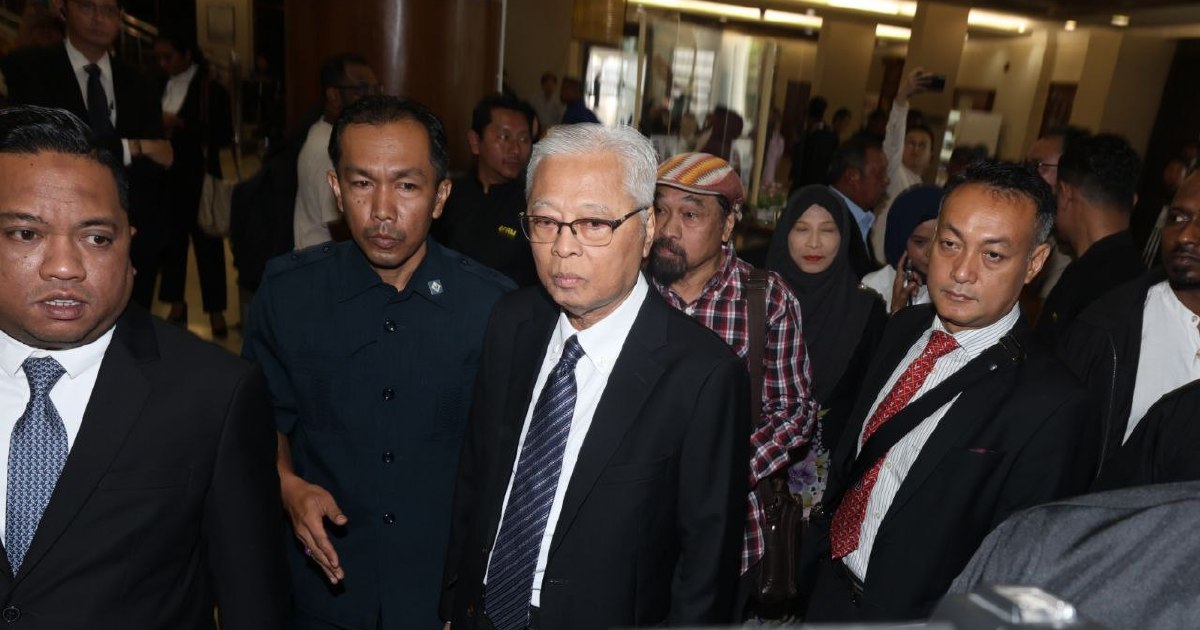
Former Prime Minister Datuk Seri Ismail Sabri Yaakob made an appearance at the Sessions Court in Kuala Lumpur today, where proceedings began regarding allegations of failing to declare his assets. The high-profile case represents another chapter in Malaysia's ongoing efforts to strengthen accountability mechanisms among senior political figures, as the country continues to grapple with questions of transparency and governance.
The charges stem from obligations placed on Malaysian citizens holding significant public office and positions of trust. Under Malaysian law, individuals serving in designated roles are required to file comprehensive declarations detailing their financial holdings, properties, investments, and other assets. These declarations serve as a cornerstone of the nation's anti-corruption framework, enabling authorities to track wealth accumulation and identify potential conflicts of interest.
Ismail Sabri's tenure as Prime Minister, which commenced in August 2021 and concluded in November 2022, placed him within the highest echelons of Malaysia's political hierarchy. During his 16-month administration, he navigated the country through a period marked by coalition politics and economic challenges. The current legal proceedings suggest that investigations into his financial disclosures have now reached a critical juncture requiring court intervention.
The asset declaration laws governing Malaysia's political and civil service leadership have become increasingly significant in recent years. Following previous high-profile cases and public demands for greater governmental transparency, enforcement of these regulations has intensified. The Session Court appearance underscores the judiciary's role in ensuring that accountability measures apply uniformly, regardless of an individual's past or present political standing.
Such legal developments carry implications for Malaysian governance and public confidence in institutions. They demonstrate that no political figure, including those who have previously held the nation's highest executive office, stands exempt from scrutiny regarding their financial affairs. This principle has become especially relevant as Malaysia seeks to strengthen its institutional frameworks and demonstrate commitment to curbing corruption.
The timing of these proceedings also reflects the evolving political dynamics in Malaysia. Since Ismail Sabri's departure from office, the country has experienced multiple shifts in governmental composition and ministerial leadership. Former premiers and cabinet members routinely face heightened scrutiny following their exit from power, a pattern consistent with post-tenure reviews seen across various democracies.
Regionally, Malaysia's handling of high-level accountability cases carries significance. Southeast Asian nations frequently engage in mutual observation regarding anti-corruption efforts and governance practices. How Malaysian courts address asset declaration violations among former prime ministers influences perceptions of the nation's institutional independence and credibility on the international stage.
The court proceedings will likely involve detailed examination of asset declaration documentation, timelines of submission, and any relevant communications between Ismail Sabri's office and relevant authorities. Legal representatives will present arguments regarding potential compliance lapses, technical errors, or deliberate non-disclosure, while prosecution teams outline the evidence supporting their allegations.
From a broader perspective, this case intersects with Malaysia's ongoing journey toward institutional reform. The nation has undertaken significant measures to combat corruption and enhance transparency since the change of government in 2018, including constitutional amendments, legislative revisions, and enforcement agency restructuring. Sessions Court proceedings of this nature represent practical implementation of these reforms, testing their effectiveness in actual legal scenarios.
The political dimensions warrant attention as well. Among Malaysian lawmakers and observers, perspectives on the case likely diverge along coalition and factional lines. Supporters of Ismail Sabri may view proceedings with skepticism, questioning enforcement consistency, while critics may see them as necessary assertions of accountability. Such divergence reflects the polarized nature of contemporary Malaysian politics.
Looking forward, the court's eventual determination will establish precedent regarding interpretation and enforcement of asset declaration statutes. Whether resulting in conviction, acquittal, or settlement, the outcome will signal the judiciary's willingness to address compliance violations among national leaders and may influence future declarations and reporting practices among Malaysian political figures.
The case also highlights complexities in managing transition periods between political administrations. Careful attention to asset documentation and compliance becomes particularly critical during leadership changes, when outgoing officials face increased scrutiny. Malaysian institutions continue refining procedures to ensure smooth transitions while maintaining rigorous accountability standards.
Ultimately, Ismail Sabri's court appearance represents a moment of reckoning for Malaysian governance principles. The proceedings will reveal how successfully the nation's legal system balances respect for individuals' rights against institutional imperatives for transparency and accountability among those entrusted with public authority.

