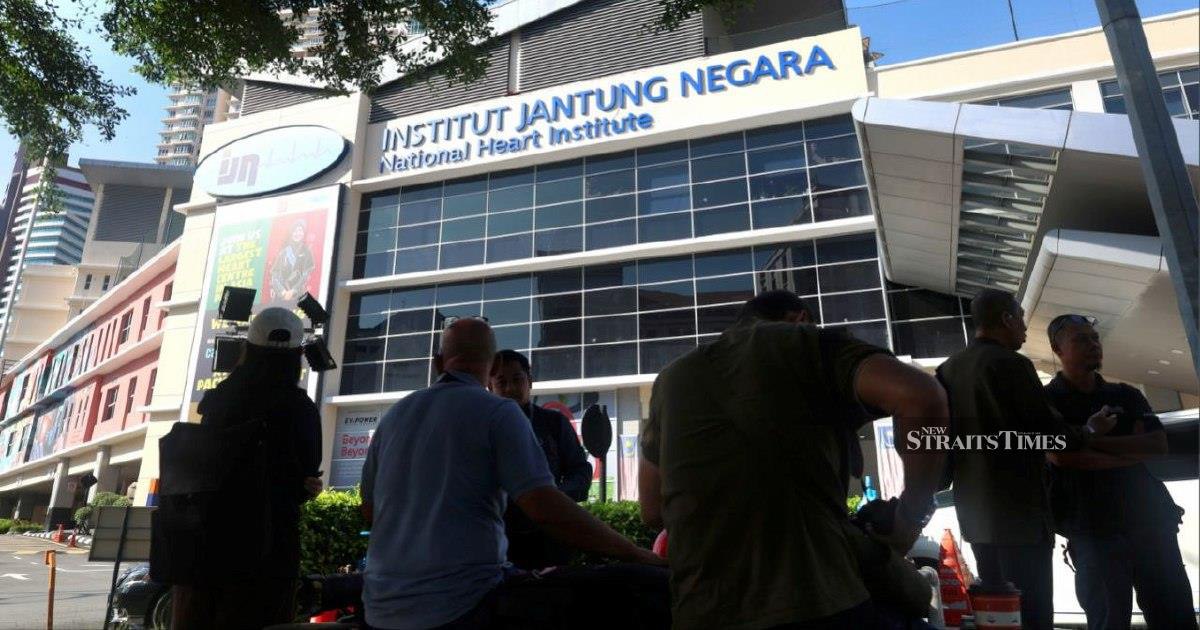
Former Prime Minister Datuk Seri Ismail Sabri Yaakob will have a pacemaker fitted at the National Heart Institute (IJN) in Kuala Lumpur to address an irregular heartbeat condition, his legal counsel confirmed. The procedure, scheduled for completion today, represents a significant medical intervention for the prominent political figure who served as Malaysia's eighth prime minister from August 2021 to November 2022.
The implantation of a pacemaker is a surgical procedure that involves placing a small electrical device beneath the skin of the chest or shoulder to help regulate the heart's rhythm. The device monitors the heart's electrical activity continuously and delivers electrical impulses when necessary to maintain a normal heartbeat pattern. Irregular heartbeat, medically termed arrhythmia, can range from benign to life-threatening depending on the severity and type, making early intervention and proper management critical for long-term health outcomes.
Ismail Sabri's decision to pursue treatment at IJN, Malaysia's leading cardiac care facility, underscores the gravity with which he is addressing his health concerns. The institute, established in 1982, has earned regional recognition for its advanced cardiac diagnostics, interventional procedures, and post-operative care standards. The choice also reflects Malaysia's capacity in specialized medical services that can rival international standards, a factor increasingly relevant as prominent figures seek treatment domestically.
The development comes during a period when Ismail Sabri maintains an active public profile despite stepping down from the premiership. His tenure as prime minister was notably brief yet consequential, occurring amid complex political coalition negotiations and economic challenges facing the nation. He has since remained engaged in parliamentary and party affairs, representing his Bera constituency in Pahang and holding various positions within the United Malays National Organisation (UMNO).
Heart conditions and irregular rhythms have become increasingly prevalent in Malaysia, reflecting broader health trends across the region linked to ageing populations, sedentary lifestyles, and rising prevalence of hypertension and diabetes. Medical experts emphasise that early detection and appropriate intervention through devices like pacemakers have substantially improved quality of life and longevity for patients experiencing significant arrhythmias.
The pacemaker procedure typically involves placing the device in a pocket created beneath the clavicle, with leads threaded through blood vessels to the heart chambers. The entire surgery usually takes between one to three hours, depending on complexity and whether additional diagnostic steps are required. Recovery periods vary but generally allow patients to resume normal activities within several weeks, with certain precautions regarding physical activity and electronic device proximity.
From a public health perspective, Ismail Sabri's openness about his medical condition, through his lawyer's disclosure, may contribute to greater awareness among Malaysians about the importance of cardiac health monitoring. High-profile cases often serve to demystify medical procedures and encourage individuals experiencing heart rhythm irregularities to seek timely medical advice rather than dismissing symptoms as minor inconveniences.
The National Heart Institute, operated by the Ministry of Health, offers comprehensive cardiac services including emergency care, diagnostic imaging, interventional cardiology, and electrophysiology services essential for managing arrhythmias. The facility's capacity to handle complex cases has positioned it as a regional hub, though demand remains high given Malaysia's growing burden of cardiovascular disease.
For the Malaysian political establishment, Ismail Sabri's medical situation also raises questions about succession planning and continuity in party leadership structures, particularly given UMNO's significance in the broader political landscape. Senior politicians' health circumstances are often monitored closely given the potential implications for parliamentary dynamics and coalition stability.
The successful completion of such procedures in Malaysia demonstrates the country's healthcare infrastructure development over recent decades, particularly in specialised cardiac care. This capability is vital not only for treating prominent national figures but for setting standards that benefit the broader population accessing both private and public cardiac services.
Ismail Sabri's experience also highlights the importance of regular health screening and early intervention strategies for cardiac conditions. Medical professionals in Malaysia have increasingly advocated for comprehensive cardiovascular risk assessments, particularly among middle-aged and older individuals, to identify arrhythmias and other conditions before they develop into serious complications.
As the former prime minister undergoes this procedure, attention will likely focus on his recovery timeline and return to public responsibilities. The implantation of modern pacemakers generally allows individuals to resume active lives, including travel, work, and public engagement, after appropriate convalescence periods and medical clearance.

