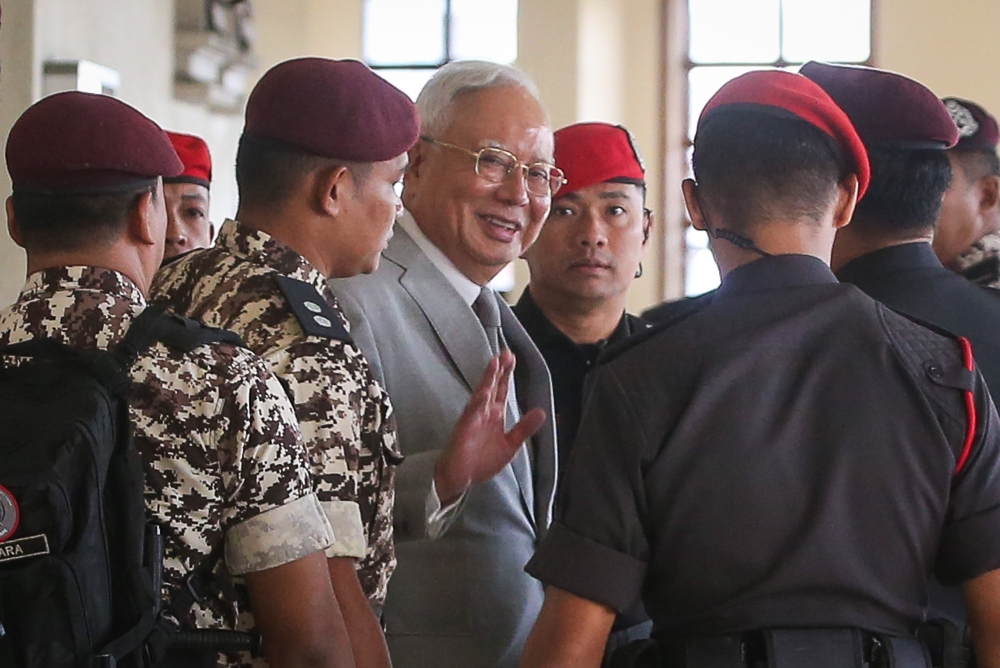
Datuk Seri Najib Razak, who served as Malaysia's Prime Minister from 2009 to 2018, will be undergoing a heart procedure in the coming period, his legal representatives announced. The confirmation came directly from members of his legal team, signalling that the procedure has been scheduled and arrangements are underway. This development adds another dimension to the high-profile former leader's circumstances, coming amid his broader legal and personal challenges in recent years.
The announcement represents a significant moment in Najib's public life following his conviction and subsequent legal proceedings. Malaysia's political landscape has been heavily shaped by events tied to his tenure as Prime Minister, particularly those surrounding the 1Malaysia Development Berhad (1MDB) scandal that unfolded in the years following his administration's conclusion. The medical disclosure comes as Najib continues to navigate various legal matters while maintaining his presence in Malaysian public discourse.
Details surrounding the specific nature of the heart procedure remain limited at this stage, with the legal team providing confirmation of the scheduled intervention without elaborating on the particular type of treatment required or the anticipated timeline for completion. Such medical matters are typically handled with appropriate discretion, particularly when they involve public figures whose health conditions might otherwise become subjects of intense public and media scrutiny. The confirmation itself, however, suggests that Najib's medical team has determined the procedure necessary and appropriate at this juncture.
For Malaysian readers, this announcement carries broader implications regarding how high-profile political figures manage their personal and legal responsibilities simultaneously. The country has experienced considerable political turbulence over the past decade, much of which traces directly to decisions and events occurring during Najib's tenure. His leadership period encompassed significant economic policies, governance decisions, and events that continue to shape Malaysia's political debate and institutional development to the present day.
The 1MDB scandal, which emerged following his premiership, fundamentally altered Malaysia's political trajectory and demonstrated the fragility of institutional checks on executive power. The subsequent investigations, trials, and convictions that have followed represent unprecedented developments in modern Malaysian politics, establishing important precedents regarding accountability for sitting and former leaders. Najib's legal journey has been closely watched both domestically and internationally as an indicator of Malaysia's commitment to transparency and rule of law.
From a Southeast Asian perspective, Malaysia's handling of high-profile corruption cases and political accountability has attracted regional attention as an example of how middle-income democracies address governance failures and executive misconduct. The procedures and outcomes in Najib's cases have been studied by regional observers interested in understanding how Malaysian institutions function under pressure and whether traditional legal frameworks adequately address concerns about elite accountability. The region's development trajectories have increasingly been influenced by questions of governance quality and institutional integrity.
The announcement of the medical procedure comes at a time when Malaysian politics continues to grapple with several interconnected challenges, from economic management to institutional reform. Najib's political era, now retrospectively examined through the lens of subsequent events, has become a crucial reference point in contemporary Malaysian discourse about leadership standards, institutional safeguards, and the consequences of governance lapses. His current circumstances, both legal and medical, intersect with broader questions about how nations process and move beyond periods of institutional strain.
The legal team's confirmation, while brief in its immediate content, reflects the careful management of public communication that typically surrounds such situations. Medical privacy considerations must be balanced against legitimate public interest in the welfare of prominent figures whose actions have significantly affected national affairs. The balance struck in this case appears calibrated to acknowledge the procedure while maintaining appropriate confidentiality regarding specifics.
For those observing Malaysian politics, this development underscores the human dimension of even the most prominent public figures and the various challenges—personal, legal, and medical—that individuals navigate simultaneously. As Malaysia continues its political evolution and institutional maturation, figures like Najib remain focal points for understanding how the country addresses questions of leadership, accountability, and the rule of law. The coming weeks will likely attract considerable attention as the procedure proceeds and its outcomes become apparent.

