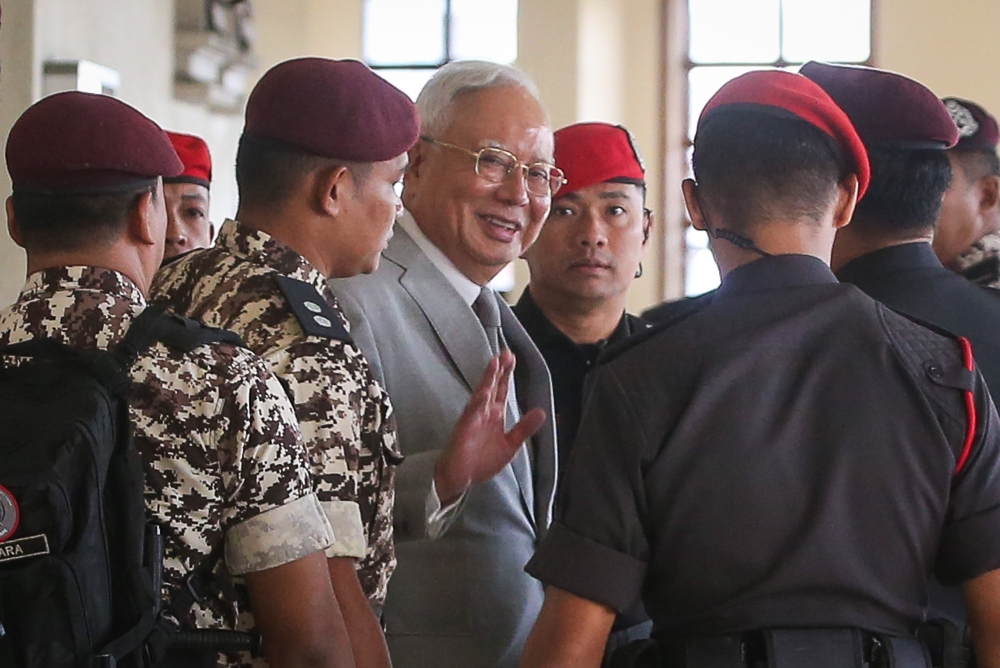
Datuk Seri Najib Razak, Malaysia's former prime minister, is scheduled to undergo a cardiac procedure at Serdang Hospital in the coming week, according to statements made on July 17. The planned intervention comes amid ongoing concerns about the former leader's health status and represents a continuation of medical attention he has required in recent years.
The specifics of the procedure remain largely undisclosed at this stage, though the choice of Serdang Hospital, one of Malaysia's major tertiary medical centres specialising in complex cardiac cases, suggests the nature of the intervention may be significant. The hospital is widely regarded for its cardiothoracic services and has treated numerous high-profile patients requiring specialised cardiac care. Serdang's established reputation in this field likely influenced the decision to conduct the procedure there rather than at alternative facilities.
Najib's health developments have periodically intersected with his legal and political circumstances over the past several years. The former premier has maintained a relatively active public presence despite various health-related absences, though the frequency of medical interventions appears to have increased recently. This upcoming procedure marks another instance where his personal health matters have become matters of public record and interest, reflecting the high-profile nature of his position and the continued public attention surrounding his activities.
The timing of the announcement comes during a period when Najib remains engaged with multiple dimensions of Malaysian public life, including ongoing legal proceedings and political commentary. His supporters and political allies have often cited health considerations when discussing his various commitments and absences from public engagements. The former leader has previously undergone medical treatment that warranted postponement of court appearances and other scheduled obligations, establishing a pattern of health-related disruptions to his public calendar.
For Malaysian observers, particularly those following political developments and legal cases, Najib's continued medical needs underscore broader questions about succession, accountability, and institutional stability within Malaysia's political establishment. The former PM's situation has consistently captured media attention and public interest, reflecting both the controversies that marked his tenure and the enduring significance of his role in recent Malaysian history.
The Serdang Hospital procedure takes place against a backdrop of Malaysia's healthcare system navigating demands for improved facilities and services. Government hospitals like Serdang continue managing patient loads that balance routine care with high-profile cases requiring intensive resources. The allocation of specialised cardiac services to prominent figures inevitably prompts discussions about healthcare equity and resource distribution within the public medical system.
From a regional perspective, the health circumstances of Malaysia's senior political figures maintain significance beyond domestic borders. Neighbouring countries and international observers track developments affecting Malaysia's political landscape, including matters affecting former senior leaders. Najib's continued engagement with public and legal matters ensures that developments in his situation attract broader regional attention and analysis.
The announcement of the scheduled procedure appears designed to provide advance notice to relevant stakeholders and may facilitate planning around any anticipated absence from public-facing activities. This transparency approach contrasts with historical instances where political figures have managed health information differently, reflecting evolving standards for disclosure affecting public figures in contemporary Malaysia.
For those following Malaysia's complex political narrative over the past decade, Najib remains a pivotal though controversial figure whose actions continue generating debate about governance, institutional accountability, and the trajectory of Southeast Asian politics. His ongoing medical requirements and public activities ensure that he maintains a visible position within Malaysian public discourse, though perspectives on his significance and legacy remain sharply divided.
Looking ahead, the success and recovery timeline for the forthcoming procedure will likely influence Najib's capacity to maintain his current level of public engagement and participation in various forums. Healthcare outcomes for individuals undergoing cardiac interventions vary considerably based on multiple factors, and the specifics of his case remain known primarily to medical professionals involved in his care. Malaysian observers across the political spectrum will likely monitor post-procedure developments with the sustained interest that has characterised public attention to his movements and activities.

