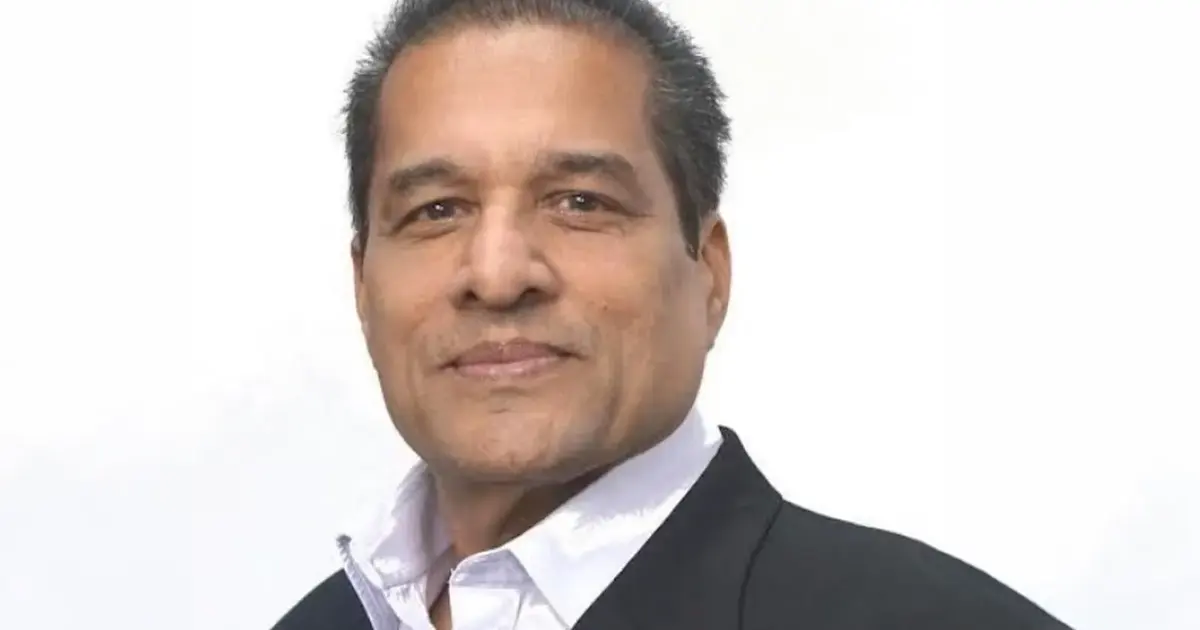
A High Court has handed down judgement against former senator Daljit Singh, ordering him to settle RM275,000 to Salim Fateh Din, the executive vice-chairman of Malaysian Resources Corporation Berhad (MRCB), following the businessman's successful legal actions on two separate fronts. The ruling represents a significant setback for Singh, who faced concurrent claims of defamation and breach of contractual obligation. The court determined that Singh's statements constituted actionable defamation and that he remained liable for outstanding financial obligations to Fateh Din.
The defamation component of the judgement resulted in Singh being ordered to pay RM175,000, a figure that encompasses both damages and associated legal costs incurred by Fateh Din in pursuing the case. The High Court's decision to award this sum reflects the court's assessment of the harm caused by Singh's statements and the expenses legitimately incurred in defending against the allegations. This element of the ruling underscores the legal principle that individuals making damaging public statements about others may face substantial financial consequences, particularly when those statements are found to lack factual foundation or qualified privilege.
In tandem with the defamation claim, the court also ruled on a separate dispute involving a RM100,000 loan that Fateh Din had extended to Singh. The High Court's determination that Singh must repay this amount in full indicates that the court found no legal basis for withholding repayment or disputing the loan's validity. This bifurcated judgement—addressing both reputational harm and financial obligation—suggests that the relationship between the two men had deteriorated substantially, with Singh unable to successfully defend either claim in court.
The case carries particular significance given Singh's prior status as a senator, a position that carries considerable public visibility and influence in Malaysian political circles. Former office holders remain subject to the same laws and legal standards as other citizens, and this ruling demonstrates that prior political standing does not shield individuals from defamation liability. The judgement reinforces that statements made about business figures and other private citizens, even by those with political profiles, must meet the threshold of truth or qualified privilege to avoid legal exposure.
For MRCB, a major Malaysian property and infrastructure conglomerate, the successful resolution of these disputes vindicates Fateh Din's decision to pursue legal remedies. The company and its senior executives necessarily protect their reputations and commercial interests through judicial channels when statements constitute defamation. Fateh Din's willingness to contest the allegations through the court system has resulted in both a public vindication of his character and a financial recovery that compensates for the damage Singh's statements caused.
The timing and nature of Singh's alleged defamatory statements remain central to understanding the dispute's origins, though the core issue before the court concerned whether those statements were true, privileged, or otherwise defensible. Singh's failure to establish any such defence has left him bearing full financial responsibility for the consequences of his utterances. This outcome serves as a cautionary reminder to individuals, regardless of their public profile or political background, that making unsubstantiated claims about others carries genuine legal risks.
In the Malaysian context, where business and political circles frequently intersect, disputes of this nature are not uncommon. However, the scales have shifted markedly in recent years toward stricter enforcement of defamation law and clearer standards regarding the burden of proof. Individuals cannot simply make allegations and rely on the subject defending themselves; rather, those making claims bear responsibility for ensuring their statements are substantiated or protected by qualified privilege. Singh's defeat in this case reflects this tightening of legal standards.
The loan repayment component of the judgement introduces a contractual dimension that suggests the two men had maintained a financial relationship at some point. The court's decision that the RM100,000 must be repaid indicates that Singh mounted no successful challenge to either the loan's existence or his obligation to repay it. This finding is particularly noteworthy given that it was pursued alongside the defamation claim, suggesting a comprehensive deterioration in the relationship between the parties.
The combined RM275,000 liability represents a substantial financial outcome that will likely have material consequences for Singh's personal finances. Beyond the direct monetary burden, the court's ruling carries reputational implications, as it constitutes a public judicial determination that Singh engaged in defamatory conduct and failed to meet his financial obligations. Such judgements often serve as cautionary tales within business and political communities, reinforcing the legal and financial risks inherent in making unsubstantiated public statements about identifiable individuals.
Looking forward, this ruling may influence how political figures and other public personalities approach statements concerning business leaders and private citizens. The decision demonstrates that Malaysian courts remain willing to enforce defamation law robustly and that claims for reputational harm carry real financial consequences. For investors, business partners, and others evaluating their legal exposure when engaging in public discourse about business figures, this case provides instructive guidance on the limits of what can be said without incurring liability.

