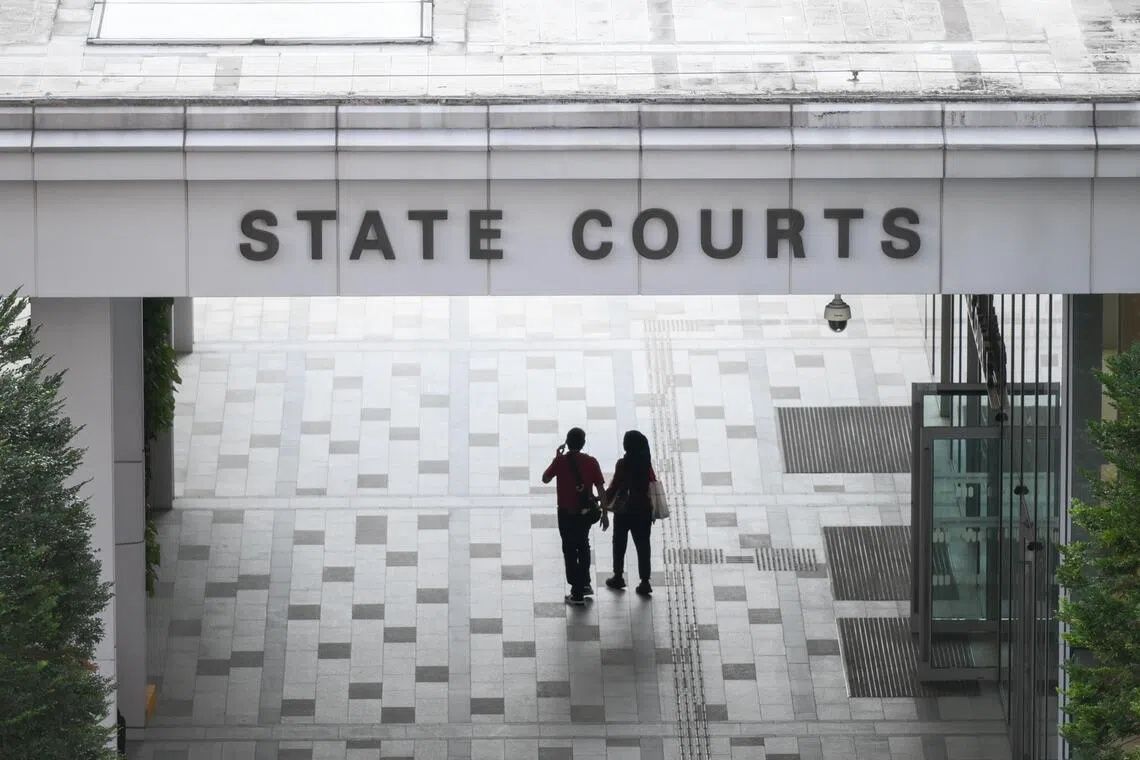
A 65-year-old woman who previously managed a Singapore bank branch is scheduled to face serious criminal charges on July 1 after authorities uncovered an elaborate scheme in which she allegedly absconded with nearly S$1.8 million from the institution's vault. The alleged theft, which unfolded across 15 months from May 2021 through August 2022, has raised fresh concerns about internal controls and accountability within Singapore's banking sector, a pillar of the nation's reputation as a global financial hub.
According to police statements released on June 30, the former manager misappropriated S$1,729,000 during her tenure, channelling the funds toward personal debt servicing and recreational gambling. What distinguished this case from straightforward embezzlement was the deliberate concealment strategy: authorities determined that she altered the bank's cash book records on at least 206 separate occasions to mask the missing amounts. Such systematic falsification demonstrates premeditation and suggests the suspect possessed sufficient operational knowledge to exploit weaknesses in her institution's oversight mechanisms.
The investigation revealed a two-person operation involving the bank manager and a 36-year-old accomplice. Rather than keeping the illicit proceeds entirely for herself, the former manager transferred a substantial portion of the stolen funds to her associate, who became the primary conduit for converting the money into gambling chips at Singapore's casinos and digital stakes on unregulated remote betting platforms. Between December 2021 and September 2022, this second woman deposited S$1,521,509 at licensed casinos while simultaneously routing S$790,106 to third-party bank accounts designated for offshore and online gambling operations.
The former manager herself cashed in S$42,405 at local casinos, suggesting she maintained direct involvement in the gambling ecosystem despite orchestrating the larger diversions through her associate. This mixed pattern of activity—where the principal offender deployed intermediaries for most illicit spending while retaining personal participation—hints at the complex motivations driving white-collar crime. Financial desperation, addiction, or simple opportunism may have overlapped in ways that encouraged increasingly bold misconduct.
Singapore's legal framework has equipped authorities to pursue multiple charges reflecting the layered nature of the alleged misconduct. The former bank manager will face two amalgamated counts of criminal breach of trust by an employee, recognising her violation of the fiduciary duty she owed her employer. Additionally, she faces two amalgamated counts relating to falsification of accounts—the deliberate paper trail manipulation that kept auditors in the dark. Three further amalgamated counts address her transfer of criminal proceeds, while a fourth count covers her own use of stolen money. Conviction on all charges carries potential penalties of up to 15 years imprisonment, fines reaching S$500,000, or both, signalling that Singapore treats such transgressions with considerable severity.
The 36-year-old co-accused confronts a separate but related charge sheet. She will be prosecuted under three amalgamated counts for receiving and using the benefits of her partner's criminal conduct, effectively criminalising her knowing participation in the scheme. A fourth charge addresses her direct engagement with illegal remote gambling platforms, activities that Singapore explicitly prohibits to maintain financial integrity and combat money laundering. Her maximum exposure amounts to ten years in prison, fines of S$500,000, or both—substantial consequences that underscore the state's commitment to dismantling underground betting operations.
For Malaysian observers, this case carries regional significance. Banking security and the prevention of internal fraud remain critical vulnerabilities across Southeast Asia, where rapid financial digitalisation sometimes outpaces the governance structures needed to manage it. A bank manager's ability to falsify records across 206 instances suggests either inadequate segregation of duties or insufficient real-time monitoring of cash movements. Many institutions in Malaysia and the broader region rely on similar legacy systems where manual reconciliation remains standard practice, creating comparable exposure to insider threats.
The Singapore Police Force's public statement emphasised that such crimes fundamentally undermine the structural integrity of the financial system itself. Officials noted that breaches of trust by employees in positions of authority damage corporate governance and erode public confidence in banking security—consequences that ripple far beyond any single institution. In an era when Southeast Asia competes intensely to attract regional and global financial flows, even isolated incidents of systematic internal theft can influence investor perceptions of regulatory effectiveness.
The case also highlights the complex relationship between banking crime and gambling in Singapore. The nation has long sought to balance permitting licensed gaming as a revenue source while containing problem gambling and money laundering through unregulated channels. That a bank insider became a conduit for channelling stolen funds into both casinos and illegal online platforms suggests these illicit ecosystems remain interconnected, drawing accomplices from across socioeconomic strata. The associate's willingness to participate in S$2.3 million in gambling transactions over ten months indicates either extreme addiction or sophisticated money laundering—or possibly both working in tandem.
Authorities have signalled that prosecution will extend beyond the principal offenders. By charging the accomplice with using proceeds of crime, Singapore demonstrates commitment to disrupting the broader networks that enable insider theft. This approach aligns with international best practices in disrupting white-collar criminal ecosystems, where enablers and passive recipients face meaningful sanctions that discourage future participation.
For banking professionals across Southeast Asia, the case underscores escalating forensic capabilities within law enforcement. The fact that authorities identified 206 record falsifications and traced S$2.3 million through multiple accounts and venues demonstrates sophisticated financial crime investigation. Banks across the region should assess whether their audit controls, transaction monitoring systems, and segregation-of-duties frameworks can withstand similarly persistent insider attempts at concealment. The case serves as a stark reminder that even experienced managers, entrusted with operational authority, can become vectors for catastrophic institutional loss when proper checks fail to function.

