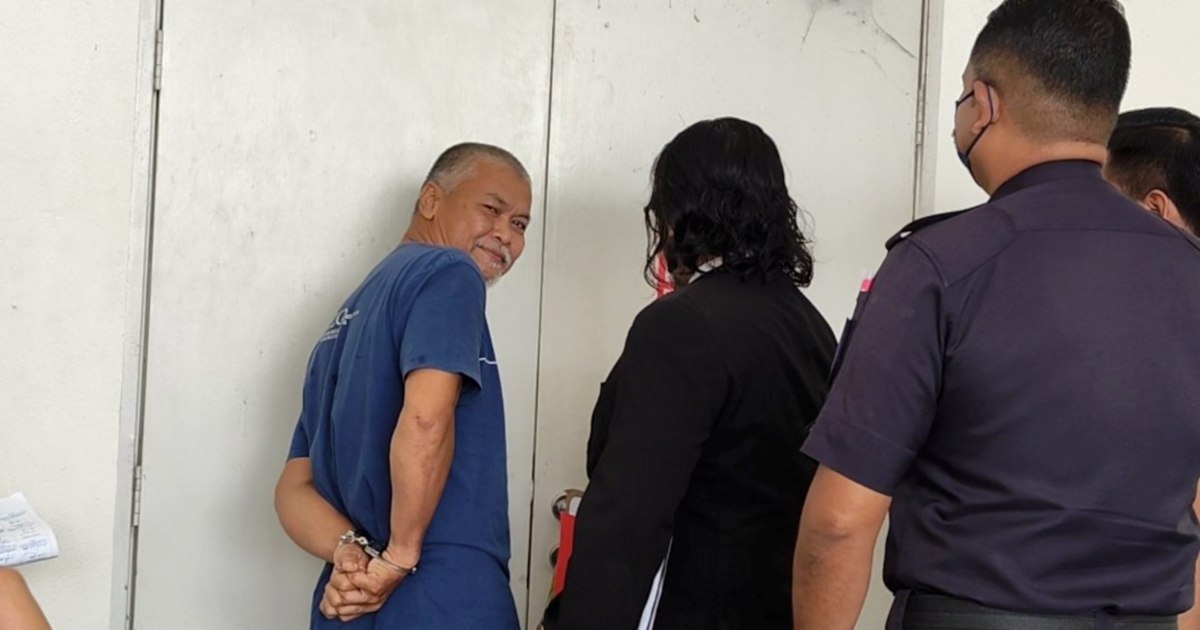
A former soldier appeared before dual proceedings at the Sessions Court and magistrate's court in Kangar on Monday following the discovery of an unauthorised weapons cache discovered earlier this month. The defendant faces five separate charges stemming from the possession of a firearm, imitation weapons, and hundreds of rounds of live ammunition—all held without proper authorisation. The charges represent a serious breach of Malaysia's stringent firearms legislation, which prohibits civilian ownership of weapons except under strictly controlled circumstances with government approval.
The case highlights an ongoing concern within law enforcement circles regarding weapons proliferation and the security challenges posed when former military personnel retain access to armaments. Veterans with service experience possess knowledge of weapon handling that civilians typically lack, yet this expertise does not grant legal exemption from strict national firearms regulations. The discovery in Kangar, located in Perlis at Malaysia's northernmost point, has drawn attention to border-region security matters, as the state shares a maritime boundary with Thailand and terrestrial links to other northern states experiencing periodic security incidents.
The quantity of live ammunition seized—described as "hundreds of rounds"—suggests a deliberate accumulation rather than incidental possession. Such stockpiling raises questions about the individual's intentions and whether the weapons were meant for personal protection, illicit trade, or other purposes. The inclusion of imitation weapons in the charges adds another dimension, as replica firearms can be weaponised or used in criminal enterprises to intimidate victims, creating genuine public safety hazards despite their non-lethal classification.
Malaysia maintains among Asia's most restrictive firearms policies, rooted in the understanding that civilian weapons proliferation correlates with increased violent crime and armed criminal activity. The regulations reflect hard-won lessons from periods of civil unrest and ensure that firearms remain concentrated in the hands of authorised security forces and rigorously vetted civilians—typically business owners, farmers in remote areas, or individuals facing documented threats. Former military personnel do not enjoy blanket exemptions, though their previous security clearances may ease certain application processes should they seek legal ownership.
The timing of the discovery early this month followed investigations that presumably began weeks or months prior. Such operations typically involve tip-offs to police, intelligence leads, or routine compliance checks that uncover violations. The decision to charge through both the Sessions Court and magistrate's court suggests the offences span different severity classifications under the Firearms Act and related legislation. This dual-track prosecution strategy is standard when multiple offences require processing through different court hierarchies.
The Perlis Police contingent and relevant federal authorities have maintained operational discretion regarding details of the seizure, including the specific firearm model, ammunition calibre specifications, and imitation weapon types recovered. Such information remains sensitive given national security protocols and ongoing operational requirements. The charges themselves, however, are matters of public record once formalised before the courts, ensuring transparency in the justice system while protecting operational intelligence.
For the defendant, the proceedings represent a critical juncture. Convictions on firearms charges carry substantial penalties under Malaysian law, including substantial fines and custodial sentences. The severity reflects the state's zero-tolerance approach to unauthorised weapons possession, which policymakers view as essential for maintaining public order and preventing criminal enterprises from acquiring military-grade armaments. The former soldier's military background may be considered during sentencing should conviction occur, though it is unlikely to result in leniency given the deliberate nature of possessing multiple weapons and large ammunition quantities.
This incident serves as a timely reminder that Malaysia's firearms regulations apply uniformly across all population segments, regardless of prior military service or security training. The case reinforces the message that retirement from active duty does not grant perpetual weapons rights, and that former personnel must comply with civilian firearms laws like all other citizens. For Malaysia's broader security architecture, such prosecutions demonstrate the enforcement mechanisms remain operational and that illegal weapons caches do not go undetected indefinitely.
The implications extend beyond the individual defendant to encompass broader questions about weapons management protocols within the military discharge process. Veterans entering civilian life receive briefings on applicable laws, yet enforcement appears necessary when individuals retain or acquire arms in violation of these regulations. Moving forward, the case may prompt refinement of transition-to-civilian-life programmes that emphasise legal compliance regarding weapons possession, ensuring that those accustomed to handling firearms understand the civilian legal framework governing their acquisition and retention.

