Datuk Zaiton Othman, a former national sports commissioner and Olympic-calibre athlete, has sounded an urgent alarm about governance deficiencies within Malaysia Athletics, expressing serious concern that the federation's administrative missteps could invite punitive measures from the world governing body. Speaking in Kuala Lumpur on June 23, the former heptathlon star—known as the 'Iron Woman' during her competing days—underscored the critical importance of bringing Malaysia Athletics into full alignment with both the World Athletics constitution and its own statutory guidelines.
The stakes are considerably high for Malaysian athletics and national aspirations. Should Malaysia Athletics face suspension or have its registration cancelled by World Athletics, the consequences would cascade across multiple fronts. Most pressingly, Malaysia would be unable to stage athletics competitions during the 2027 SEA Games, an event the country will host. Beyond that, Malaysian athletes would find themselves barred from competing in any World Athletics-sanctioned international competitions, effectively sidelining them from global athletic pathways and the opportunities these platforms provide for showcasing national talent.
Zaiton's intervention carries added weight given her previous role overseeing sports governance nationally. She drew particular attention to athletics' extraordinary medal-yielding potential within the SEA Games ecosystem, where track and field events constitute a significant portion of the medal tally. The discipline consistently delivers substantial gold medal hauls—47 gold medals were on offer at recent SEA Games—spanning marquee events like the 100-metre dash and the 4x100-metre relay. Alongside swimming and shooting, athletics ranks among the top medal contributors at the regional games, making any disruption to Malaysia's competitive standing in these events a strategic concern for national sports performance.
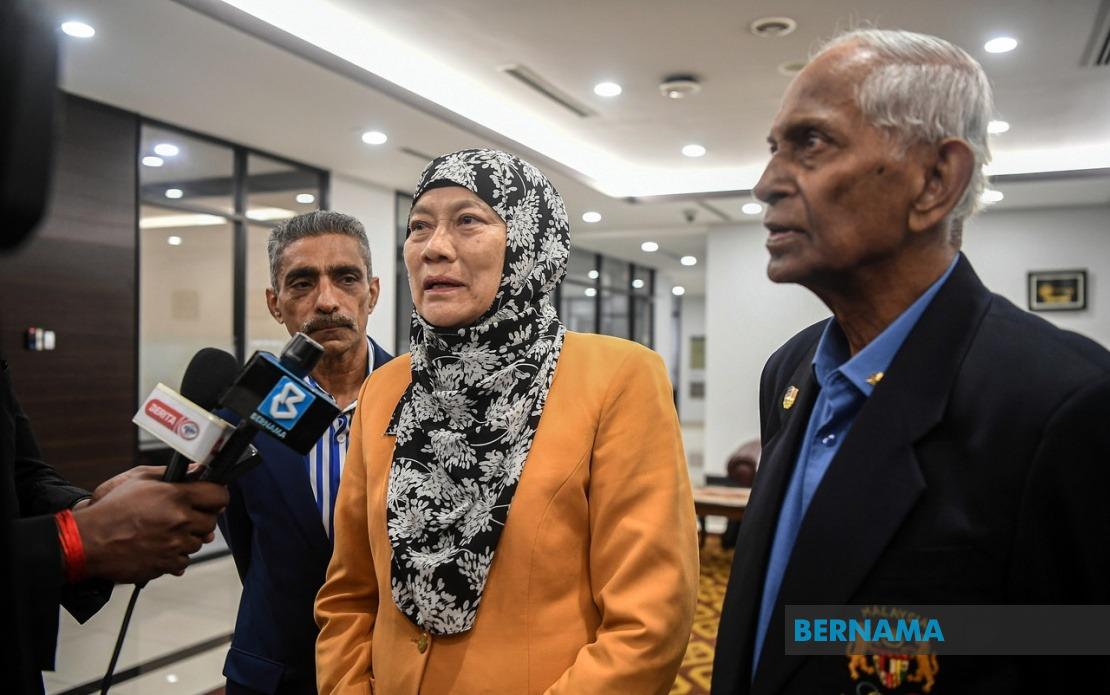
Zaiton's remarks came during a meeting with Youth and Sports Minister Dr Mohammed Taufiq Johari at Parliament, where she represented concerns raised by the Reformation in Sports and Excellence (RISE) initiative. The delegation also included Olympian Datuk Karu Selvaratnam and Datuk Noorul Ariffin Abdul Majeed, former chairman of the National Athletes Welfare Foundation (YAKEB). The presence of multiple sporting figures underscored the breadth of concern within Malaysia's athletic community about governance lapses potentially undermining athlete performance and opportunity.
The governance complications facing Malaysia Athletics have their roots in constitutional misalignments that contradict World Athletics standards. In recent weeks, Malaysia Athletics president Karim Ibrahim stepped back from his leadership responsibilities, taking leave until the federation's Annual General Meeting scheduled for later in June. This step was explicitly intended to permit constitutional amendments that would harmonise Malaysia Athletics' governance framework with World Athletics requirements. This tactical pause signals that federation officials recognise the severity of the compliance gap.
Karim Ibrahim's own history adds another layer of complexity to the governance picture. In 2018, World Athletics imposed a suspension on him—a sanction later upheld by the Court of Arbitration for Sport (CAS). Despite this suspension, Ibrahim retained eligibility to contest and serve on the Asian Athletics Federation Executive Council during the 2019-2023 term, a detail that illustrates the nuanced and sometimes contradictory nature of international sports governance structures. His continued presence in federation leadership roles has remained controversial.
Under Malaysia's Sports Development Act 1997, the Ministry of Youth and Sports and the Sports Commissioner possess clearly defined authority to supervise sports association compliance and enforce corrective measures when organisations deviate from regulatory frameworks. While the government cannot engage in direct micromanagement of sports federation administrative matters—a principle that protects sporting autonomy—the legislative framework does grant officials the power to intervene when associations drift beyond acceptable governance boundaries. This legal architecture allows the ministry to pressure Malaysia Athletics toward reform without overstepping into inappropriate state control of sport.
Zaiton emphasised that the impetus for raising these concerns originated not from government bodies but from the athletic community itself. Former national athletes and Olympians, she explained, had joined the conversation out of genuine anxiety that unresolved governance problems and regulatory non-compliance would ultimately compromise the performance prospects and career opportunities of current Malaysian athletes. This bottom-up pressure from within the sporting ecosystem lends credibility to assertions that the governance issues require substantive remediation.
The international dimension of this governance crisis distinguishes it from routine administrative disputes. World Athletics exercises genuine enforcement authority over affiliated national federations. The threat of suspension or registration cancellation is not rhetorical—it represents a real mechanism by which the world governing body maintains compliance with its constitutional standards. For Malaysia, a country with ambitions to maintain competitive standing in regional and continental athletics competitions, such penalties would represent a significant setback to national sporting development and international visibility.
The timing of Zaiton's intervention coincides with Malaysia Athletics' window for constitutional reform. The upcoming Annual General Meeting represents a critical juncture where the federation can implement necessary changes to bring its governance architecture into compliance with World Athletics standards. Success in this effort would remove the suspension threat and preserve Malaysia's ability to conduct and participate in athletics at the highest competitive levels. Failure to act decisively could set in motion a sequence of penalties that would diminish Malaysia's sporting profile across multiple international forums.
For Malaysian sports enthusiasts and policy observers, this governance challenge illustrates a broader principle: administrative excellence within sports organisations directly enables or constrains athletic achievement at national and international levels. When internal governance deteriorates, athlete opportunities shrink, medal prospects decline, and national competitive standing erodes. The window for Malaysia Athletics to correct course remains open, but the margin for further delay has narrowed considerably given World Athletics' clear standards and enforcement mechanisms.