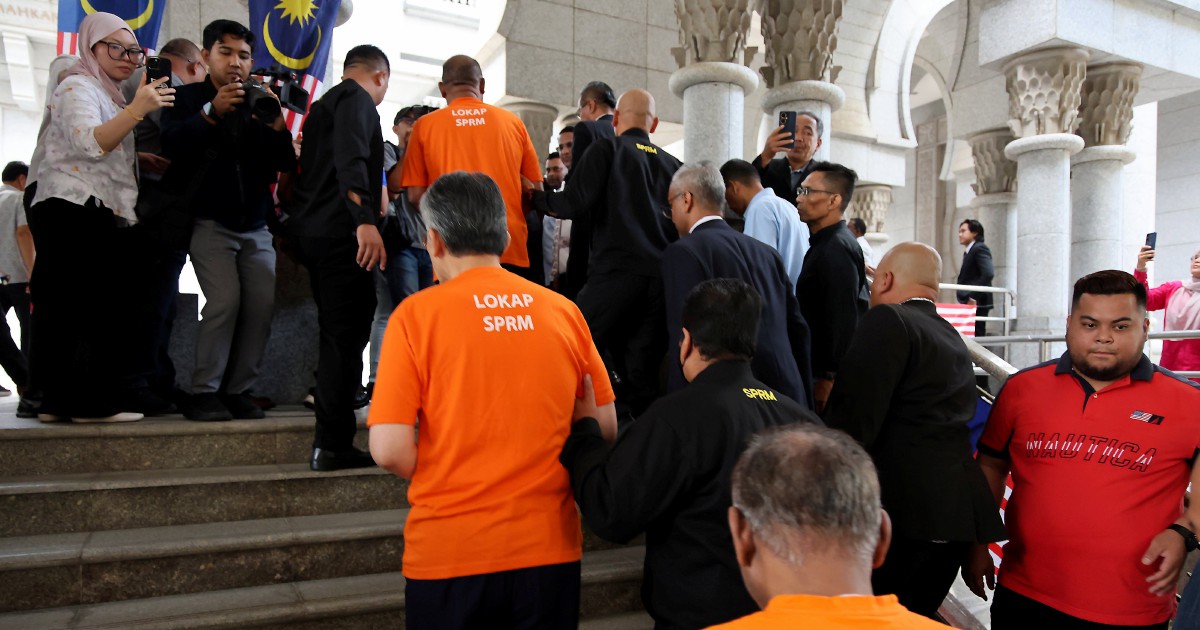
A former chief executive of Tabung Haji remains in custody following a court-approved extension of his remand period by four additional days, the Malaysian Anti-Corruption Commission announced in Putrajaya. The decision reflects the apparent complexity of the investigation into the state-owned pilgrimage savings institution, which manages funds for Muslims intending to perform the hajj.
The Royal Commission of Inquiry examining Tabung Haji's operations has emerged as a significant factor in shaping the trajectory of the criminal investigation. The RCI, tasked with scrutinizing governance lapses and financial irregularities at the fund, has provided investigators with crucial leads that appear to have substantiated grounds for extended custody. This parallel investigative mechanism suggests authorities are examining systemic issues rather than isolated incidents of wrongdoing.
Tabung Haji serves as a crucial financial conduit for approximately 1.7 million Malaysian Muslims who contribute monthly savings toward hajj expenses. The institution's integrity carries particular weight given its cultural significance and the trust placed in it by contributors from diverse socioeconomic backgrounds. Any governance failures or financial mismanagement at the fund have implications extending beyond corporate accountability into matters of public faith and religious observance.
The extension of remand typically indicates that investigators require additional time to obtain critical evidence, interview witnesses, or pursue leads discovered during preliminary questioning. In cases involving institutional governance, such extensions often reflect the need to examine complex financial records, board meeting minutes, and correspondence that illuminate decision-making processes. The MACC's success in securing court approval for extended custody suggests the investigating judge found sufficient probable cause linking the detainee to alleged offences.
The involvement of a Royal Commission adds institutional weight to the investigation and suggests concerns that transcend ordinary administrative mismanagement. RCIs are typically convened to examine matters of significant public interest, particularly where there are suggestions of systemic failures requiring legislative or policy responses. The findings and recommendations emerging from such inquiries often catalyze criminal investigations by enforcement agencies.
For Malaysian citizens with active hajj savings accounts, the ongoing scrutiny of Tabung Haji management generates concerns about fund security and governance standards. The visibility of high-profile investigations may paradoxically strengthen long-term confidence if they demonstrate effective institutional accountability mechanisms, though they invariably create short-term anxiety among stakeholders. Policymakers must balance transparency with the need to preserve the fund's reputation as a trustworthy repository for hajj savings.
The investigation occurs within a broader context of enhanced anti-corruption enforcement in Malaysia. The MACC has intensified scrutiny of government-linked institutions and statutory bodies where mismanagement or misconduct could divert public resources or undermine administrative integrity. Enhanced investigative capacity and judicial cooperation have enabled more rigorous examination of complex corporate governance issues than previously possible.
The four-day extension provides investigators with a defined window to pursue specific investigative objectives. During this period, authorities may seek court authorization for asset freezes, conduct confrontational interviews between witnesses and the detainee, or present evidence uncovered through forensic analysis of financial records. The structured nature of remand extensions allows the judicial system to maintain oversight while granting investigators necessary operational flexibility.
Tabung Haji's operational challenges have attracted recurring scrutiny over recent years. The fund's performance during volatile commodity markets has tested its financial resilience, while governance questions have periodically emerged regarding investment decision-making and administrative oversight. The current investigation represents the most formal institutional examination of the organization's management since its establishment as a dedicated hajj savings mechanism.
The detention and extended remand of a former chief executive carries reputational consequences for Tabung Haji's institutional standing. However, vigorous investigation and prosecution of alleged wrongdoing by former leadership can ultimately enhance organizational credibility by demonstrating that governance breaches do not escape accountability. The institution's recovery depends partly on installing strengthened oversight mechanisms and demonstrating commitment to transparent operations.
For Southeast Asian observers, the Malaysian investigation underscores the importance of institutional oversight in managing funds serving religious and social purposes. Several countries in the region operate similar savings or insurance mechanisms serving Muslim populations, making governance standards established through Malaysian enforcement actions potentially instructive for regional policymakers.
The investigation's progression will likely reveal whether governance failures reflected isolated executive decisions or systematic institutional weaknesses requiring structural reform. Such distinctions carry implications for determining appropriate remedial measures and whether statutory amendments to Tabung Haji's governance framework prove necessary. The RCI's parallel examination should ultimately produce recommendations addressing root causes rather than merely individual culpability.

