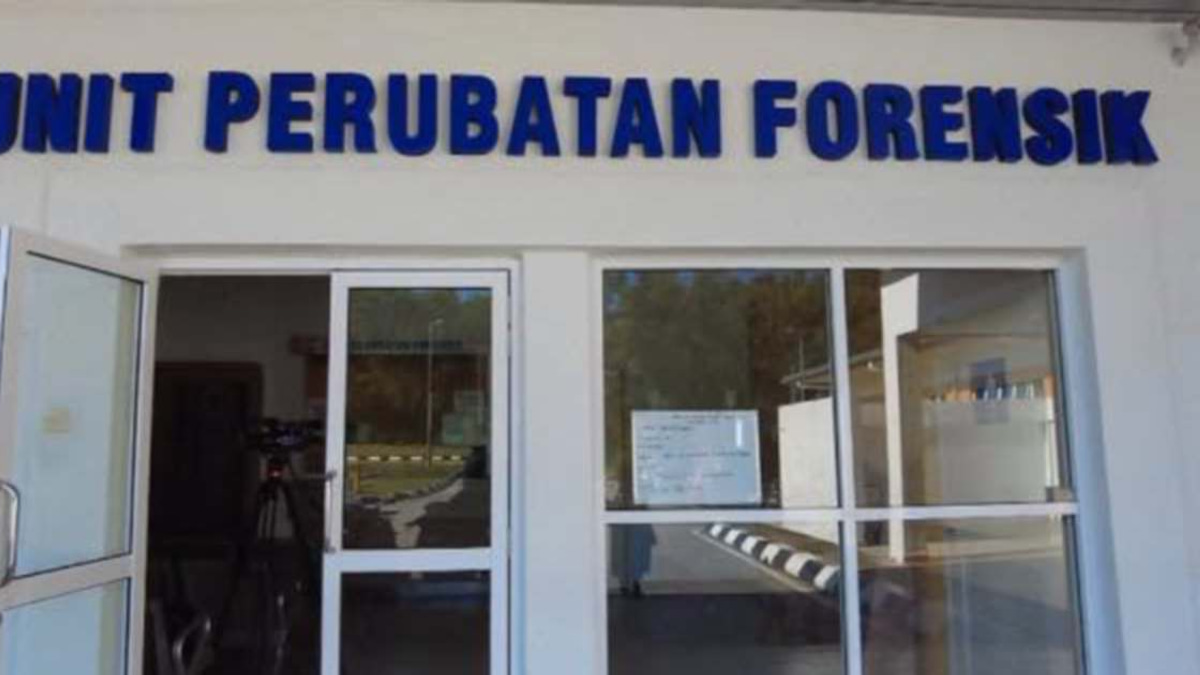
The investigation into a significant medical certificate forgery network has escalated with the apprehension of four additional suspects, authorities confirmed today. Pahang police chief Yahaya Othman disclosed that the expanding operation reflects an intensifying crackdown on document fraud affecting the state and potentially the broader region.
Simultaneously, five individuals who were detained on Monday have been released from remand as investigations proceed, marking a typical phase in Malaysia's criminal inquiry process where authorities reassess the strength of evidence and determine whether continued detention is warranted. The shifting composition of suspects in custody suggests investigators are carefully evaluating which individuals warrant continued legal custody while pursuing leads in other directions.
Medical certificate fraud has emerged as a persistent concern across Malaysia, with falsified documents frequently used to facilitate workplace absenteeism, evade legal obligations, or support insurance claims. The sophistication of modern forgery techniques means that determining the full scope of fraudulent documents in circulation requires sustained investigative effort and inter-agency coordination.
The Pahang operation indicates that law enforcement has identified what appears to be an organized scheme rather than isolated instances of document falsification. Such rings typically involve multiple players fulfilling distinct roles—from those producing counterfeit materials to intermediaries distributing them and individuals presenting false documents to employers or authorities. Breaking these networks requires investigators to map relationships and financial flows connecting disparate participants.
For Malaysian workplaces, the discovery of such schemes underscores vulnerabilities in how organizations verify employee medical documentation. Many companies rely on visual inspection alone rather than confirming directly with healthcare providers, creating opportunities for fraudsters. The incident should prompt employers to implement verification protocols that involve contacting clinics and hospitals independently, particularly for extended absences or patterns that appear suspicious.
The medical profession faces reputational risks when forgery networks exploit the appearance of legitimate healthcare institutions. Perpetrators often target the names of real clinics and doctors, leveraging established trust to lend credibility to counterfeit documents. This misuse places innocent practitioners in awkward positions and potentially undermines public confidence in the healthcare system's documentation standards.
Pahang's focus on this issue reflects broader regional trends. Across Southeast Asia, authorities have detected expanding document fraud operations, with medical certificates representing one category alongside passport forgeries and educational credentials. The relative ease of counterfeiting certain document types compared to digital alternatives means traditional paper-based systems remain vulnerable despite their prevalence in official processes.
The timing of these arrests arrives amid increasing police emphasis on sophisticated white-collar crimes that extend beyond individual criminal acts. Unlike conventional street-level offences, organized forgery rings operate through deliberate business models, establishing supply chains and customer bases. Dismantling such operations requires patience and methodical investigation to preserve evidence suitable for prosecution.
From a legal standpoint, medical certificate fraud in Malaysia carries penalties under the Penal Code provisions addressing forgery and its use to deceive authorities or employers. Penalties can range from imprisonment to substantial fines, though actual sentences depend on prosecution discretion, judicial interpretation, and individual circumstances presented during trials. The severity of punishment reflects legislator concerns about protecting the integrity of administrative systems reliant on certified documentation.
Pahang police's continued engagement with this investigation suggests they anticipate additional developments as they process information from those already detained. Remand release typically occurs when police determine they have sufficient information from initial interviews, or when courts determine continued custody lacks adequate justification. Subsequent legal proceedings will clarify which individuals face formal charges and on what specific grounds.
The broader implications extend to how Malaysian institutions manage document verification across multiple sectors. Educational institutions, licensing authorities, and healthcare regulators all depend on certified documentation that can be forged. The Pahang case provides practical evidence that systematic forgery poses real risks, potentially justifying investment in digital verification systems and cross-institutional data-sharing protocols.
As investigations advance, public awareness campaigns may prove valuable in discouraging participation in forgery schemes. Many individuals unknowingly support these operations by purchasing fraudulent certificates without understanding the legal consequences they face. Education emphasizing that using forged documents carries criminal liability regardless of where they originate could reduce demand and make schemes economically unviable.
The Pahang police operation demonstrates that Malaysian law enforcement possesses capacity to identify and prosecute document fraud networks. Success in dismantling organized forgery rings depends on sustained commitment, adequate resources for investigative work, and inter-agency cooperation. As authorities continue processing suspects and examining evidence, this case will likely yield insights valuable for preventing similar schemes elsewhere in Malaysia and supporting regional law enforcement efforts targeting transnational document fraud operations.