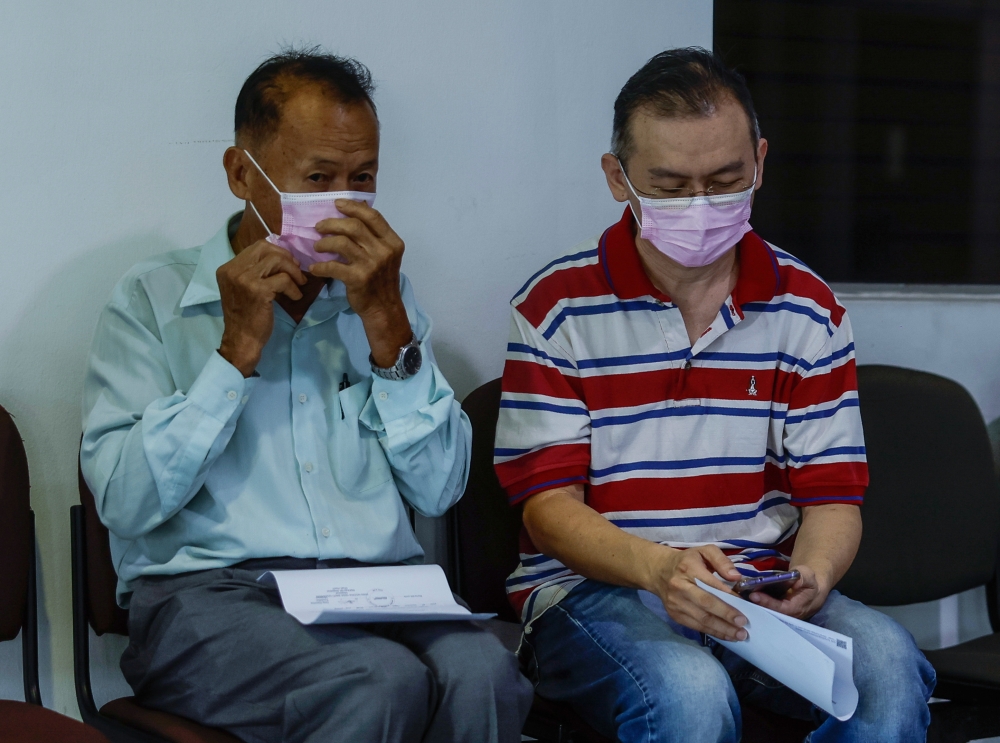
Four individuals made separate appearances before Shah Alam Sessions Court to face criminal charges stemming from false statements submitted in connection with applications to the Perkeso Daya Kerjaya 2.0 scheme. The cases underscore persistent vulnerability in government employment assistance programmes to deliberate misrepresentation, a troubling pattern as authorities intensify scrutiny of benefit fraud across the country.
The Perkeso Daya Kerjaya 2.0 initiative represents a substantial investment in Malaysia's workforce development infrastructure. Administered through the Social Security Organisation, the scheme aims to support employment creation and vocational training for Malaysian workers, particularly those in vulnerable economic circumstances. When applicants furnish knowingly false information to secure access to these resources, they divert support intended for genuinely eligible individuals whilst undermining public confidence in the programme's integrity.
The charges brought against these four defendants carry significant legal implications. Such prosecutions typically invoke provisions governing false statements in official applications and fraud, with potential penalties including substantial fines and custodial sentences depending on case particulars and evidence presented. The decision by prosecutors to pursue formal criminal proceedings indicates the authorities regard these breaches as serious enough to warrant court intervention rather than administrative remediation alone.
Fraud affecting employment assistance programmes is not unique to Malaysia. Similar enforcement actions have been documented across Southeast Asia and internationally, where expanding social protection mechanisms inevitably attract opportunistic actors. What distinguishes this enforcement action is its visibility within the local court system, sending a calculated message to potential fraudsters that misrepresentations will attract prosecution.
The Perkeso Daya Kerjaya 2.0 scheme operates within a broader Malaysian framework of skills development and employment support. As Malaysia navigates structural economic transitions and addresses skills mismatches in the labour market, programmes like Daya Kerjaya 2.0 become increasingly central to national competitiveness. Fraudulent applications divert finite resources away from workers genuinely requiring assistance, potentially exacerbating inequality and limiting programme effectiveness.
These court cases likely reflect only a fraction of potentially fraudulent applications across the scheme. Detection of such fraud requires sustained audit and investigative capacity within implementing agencies. The visibility of prosecution may prompt more rigorous verification protocols during application assessment, though genuine applicants could face longer processing times as institutions tighten controls.
Regional context matters here. Other Southeast Asian nations operating similar employment assistance programmes face comparable challenges in preventing fraud. Malaysia's public commitment to prosecuting offenders may establish precedent that influences administrative and judicial approaches to benefit fraud across the bloc, potentially encouraging tighter inter-agency information sharing and verification procedures.
The court proceedings carry implications for programme participants who are legitimate. Public concern about fraud within social schemes sometimes generates political pressure to impose stricter eligibility criteria or reduce generosity of benefits. While such tightening may genuinely improve targeting, it can also inadvertently exclude vulnerable populations who struggle with complex application procedures or documentation requirements.
Institutional capacity to detect fraudulent applications depends on coordination between Perkeso, tax authorities, and other government bodies possessing relevant income and employment information. These four prosecutions suggest such coordination is functioning to some degree, though the scale of fraud relative to total applications remains unclear from available information.
For Malaysian workers seeking genuine Daya Kerjaya 2.0 support, these prosecutions should be encouraging rather than deterrent, signalling that fraudulent competitors will face legal consequences. This should theoretically improve programme quality and resource allocation for honest applicants. The court's role in this enforcement chain represents an important quality-control mechanism within Malaysia's social safety net architecture.
The prosecutorial approach adopted here differs from administrative fraud recovery, which might involve reclaiming disbursed funds or imposing financial penalties without criminal involvement. The decision to escalate to criminal courts suggests the false statements in question were either substantial in magnitude, demonstrating coordinated fraud patterns, or involved systematic deception across multiple applications. Understanding the specific nature of these misrepresentations would illuminate vulnerabilities within the application approval process.
These Shah Alam court cases carry broader significance for Malaysian public administration. As government services increasingly deliver benefits and support through formal application processes, the integrity of those systems becomes crucial to maintaining public trust and ensuring resources reach intended beneficiaries. While criminal prosecution alone cannot prevent all fraud, visible enforcement reinforces that deliberate misrepresentation carries serious consequences, potentially deterring opportunistic behaviour and supporting honest programme participation.

