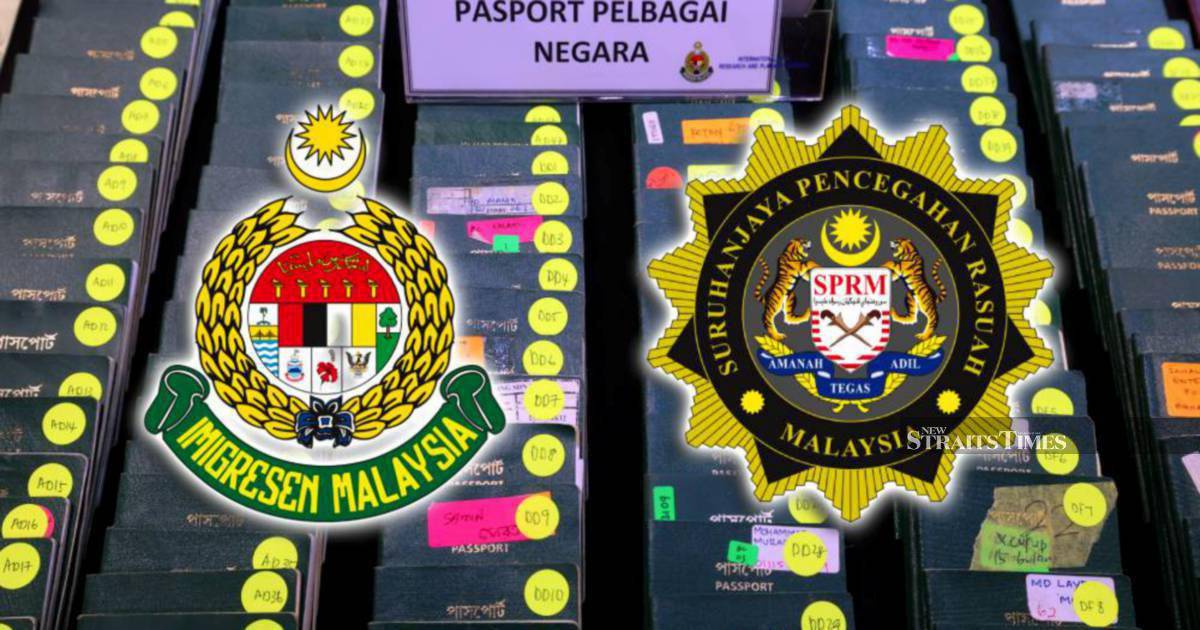
A criminal syndicate operating at the heart of Malaysia's immigration infrastructure has been dismantled after authorities uncovered a sophisticated scheme to illegally process employment documents. Twelve individuals, including four officers from the Immigration Department, were detained following a coordinated investigation by the Malaysian Anti-Corruption Commission and the Immigration Department. The syndicate exploited vulnerabilities in the Malaysian Immigration System, commonly known as MyIMMs, to fraudulently approve Temporary Employment Visit Passes, raising serious questions about security protocols guarding the nation's critical administrative systems.
The discovery of corruption within the Immigration Department represents a significant breach of public trust, as the agency serves as Malaysia's primary gatekeeper for foreign workers and visitors. By compromising MyIMMs, the syndicate would have been able to bypass standard verification procedures that normally require employers to demonstrate genuine labour shortages and meet prescribed wage requirements before temporary workers can be hired. This circumvention potentially allowed unqualified or unsuitable candidates to enter the country under false pretences, undermining both workplace safety standards and the integrity of Malaysia's immigration records.
The involvement of four departmental officers reveals how insider knowledge and access credentials can amplify the damage caused by cybercriminals. Rather than relying solely on external hacking techniques, the syndicate leveraged employees who possessed legitimate system access and familiarity with procedural workflows. This insider element explains how the fraudulent approvals apparently evaded initial detection—the applications would have appeared to originate from authentic sources within the system itself, making them difficult to distinguish from legitimate submissions during routine processing.
The MyIMMs platform itself, introduced to digitise immigration processes and reduce corruption, ironically became the vehicle for systematic fraud. The system was designed to enhance efficiency and transparency by creating an electronic audit trail of all visa applications and approvals. The fact that determined criminals could compromise such safeguards suggests either inadequate cybersecurity infrastructure protecting the database, insufficient segregation of administrative privileges, or weak oversight mechanisms. For a system handling sensitive immigration data affecting hundreds of thousands of entries annually, such vulnerabilities represent a critical failure.
The scale of this operation remains to be fully established as investigations continue. What is clear is that employers seeking to circumvent legitimate hiring procedures were willing to engage with criminal networks, suggesting a degree of demand for illicit labour shortcuts. Some companies may have faced genuine recruitment challenges in competitive markets and turned to illegal channels out of desperation, while others likely sought to reduce compliance costs by avoiding proper vetting processes. This dual-sided problem—criminal supply meeting employer demand—indicates the need for enhanced monitoring of corporate hiring practices across sectors relying heavily on migrant workers.
For Malaysia's standing as a destination for legitimate foreign talent, this scandal carries reputational implications. Multinationals and skilled professionals evaluate countries partly on the integrity and efficiency of their immigration systems. A hacked MyIMMs system raises concerns about data security and the reliability of employment documents issued by Malaysia. This could push legitimate employers to consider alternative markets, particularly as regional competitors like Singapore have built strong reputations for robust administrative systems. The temporary damage to Malaysia's immigration credibility may persist until authorities demonstrably strengthen security measures.
The investigation also highlights broader cybersecurity vulnerabilities across Malaysian government systems. If a platform as critical as MyIMMs could be penetrated and exploited systematically, questions arise about the protection of other sensitive databases managing financial records, health information, or security credentials. The incident underscores the urgent need for comprehensive cybersecurity audits across all government digital infrastructure, particularly systems handling data essential to national security and public administration. Budget allocations for IT security upgrades should reflect the magnitude of these risks.
Regionally, Malaysia's experience reflects challenges common across Southeast Asia. Many countries in the region have rapidly digitised immigration processes while grappling with legacy security issues and insufficient investment in cybersecurity expertise. The proliferation of fake documents and fraudulent visa approvals affects the entire region's labour market integrity, as migrant workers can transit between countries using compromised credentials. This incident may prompt other Southeast Asian nations to accelerate security reviews of their own systems and establish stronger information-sharing protocols about detected vulnerabilities.
The MACC's involvement signals that authorities are treating this as a corruption matter requiring investigation beyond simple cybercrime. This approach recognises that the core issue involves public servants abusing official positions for personal gain, not merely external hackers. The commission's participation suggests charges may extend beyond computer fraud statutes to encompass abuse of power, breach of fiduciary duty, and potentially conspiracy charges. These broader corruption charges carry stiffer penalties and send a stronger deterrent message to government employees considering similar schemes.
Looking ahead, authorities must balance immigration system security with the operational needs of employers processing legitimate applications. Overly restrictive access controls could slow legitimate processing, creating backlogs that frustrate both employers and individual applicants. The solution likely involves multi-factor authentication for sensitive approvals, regular audits of access logs, mandatory rotation of system administrators, and whistleblower protection mechanisms encouraging employees to report suspicious activities. Transparent oversight from independent bodies would rebuild public confidence in MyIMMs integrity.
The case also raises questions about how the scheme was eventually discovered. Whether through routine audits, complaint investigations, or whistleblower reports will determine what lessons can be extracted about detection capabilities. Rapid identification of fraud prevents compounding losses and catches conspirators before they expand operations. Conversely, if the discovery occurred only after months of exploitation, it suggests existing monitoring mechanisms are inadequate. Understanding this timeline will inform whether future fraud prevention depends on enhanced technical controls or organisational cultural changes emphasising accountability.
Malaysia's response to this crisis will establish precedent for handling future compromises of critical systems. Transparency about the scope of fraudulent approvals, detailed timelines, and corrective actions will either restore or further damage public confidence. Publishing a comprehensive post-incident review, even with redactions protecting ongoing investigations, would demonstrate governmental commitment to accountability. Citizens and employers deserve assurance that this incident prompted genuine systemic improvements rather than superficial policy announcements.
The dismantling of this syndicate represents only the initial phase of addressing the underlying problems it exposed. Criminal prosecutions will conclude, officers will face sanctions, and MyIMMs will likely receive security upgrades. Yet the fundamental lesson—that critical government systems require continuous vigilance, adequate funding, expert personnel, and genuine commitment to integrity—must permeate every level of immigration administration for Malaysia to prevent similar future breaches and maintain the credibility of its immigration infrastructure.

