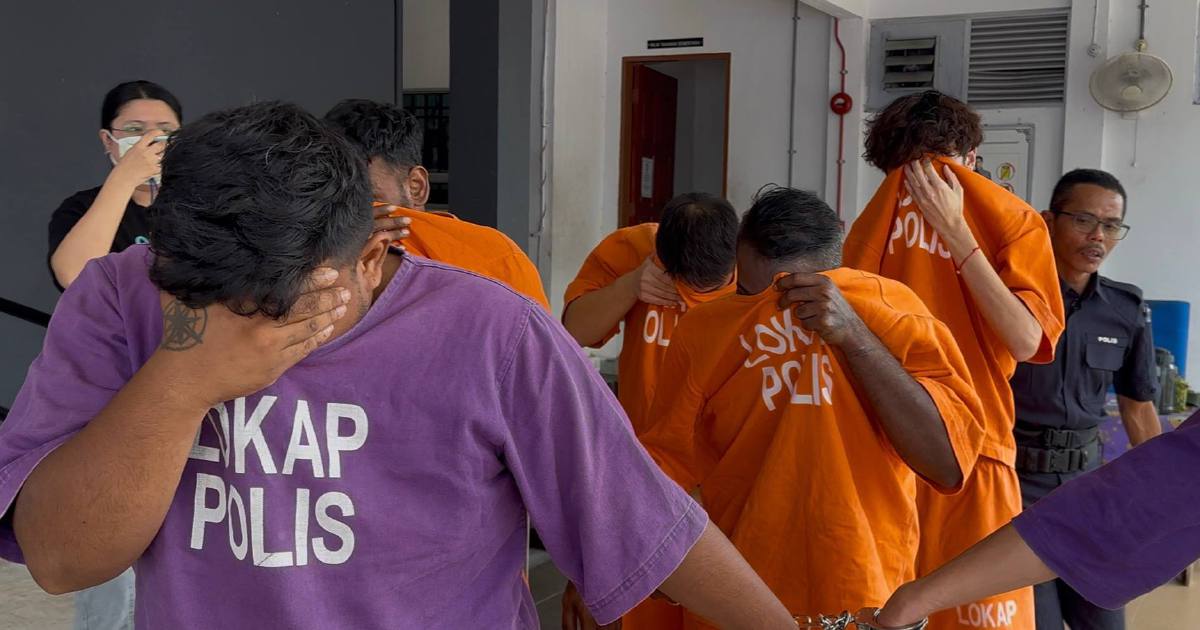
Four men currently in remand custody will make their appearance before the magistrate's court in Batu Pahat tomorrow to face murder charges stemming from the death of a businessman last month. The case marks another serious incident in Johor's business community and reflects ongoing concerns about violent crime targeting entrepreneurs in the state.
The defendant's appearance signals a critical juncture in the investigation process, moving the case from the police investigative phase into the formal judicial system. This transition typically indicates that investigators have gathered sufficient evidence to support a prosecution, though Malaysian law requires courts to examine whether probable cause exists before allowing charges to proceed. The magistrate will determine whether the evidence warrants formal charges and whether the men should remain in remand or be granted bail pending trial proceedings.
Batu Pahat, located in southern Johor approximately 80 kilometres southwest of Johor Bahru, is an established commercial hub with a significant business community. The death of a businessman in the district draws attention to security concerns affecting traders and entrepreneurs across the state. While Johor remains largely stable compared to other regions, such incidents underscore the vulnerability of business owners to targeted violence and the importance of adequate law enforcement presence in commercial areas.
Murder cases in Malaysia carry severe penalties under the Penal Code, with convictions potentially resulting in capital punishment, life imprisonment, or lengthy custodial sentences depending on the circumstances and evidence presented. The threshold for conviction is high, requiring proof beyond reasonable doubt that the accused committed the offence with intent to cause death or with knowledge that their actions would likely result in death. Malaysian courts have developed substantial jurisprudence around murder versus culpable homicide, with the distinction carrying significant implications for sentencing outcomes.
The remand period preceding formal charges serves several prosecutorial objectives. It allows investigators to secure statements from witnesses, gather forensic evidence, and build a coherent narrative of events leading to the businessman's death. For the accused, remand time permits legal representation to review evidence, identify potential defences, and prepare strategy for court proceedings. The magistrate's court will examine whether the remand extension was justified and proportionate to investigative needs.
Such cases often attract considerable attention within local business circles, particularly among small and medium enterprises that may feel inadequately protected against criminal elements. The Batu Pahat business community may be closely monitoring developments, assessing what protection measures are available and whether law enforcement can effectively deter violence targeting merchants and entrepreneurs. Chamber of commerce organisations occasionally advocate for enhanced security measures following high-profile incidents affecting business owners.
The presence of four accused persons suggests this incident may involve organised criminal activity or group participation rather than an isolated assault. Malaysian law recognises various categories of complicity, including direct participation, abetment, and conspiracy. Courts must carefully distinguish between the degree of involvement of each accused and apportion culpability accordingly. Prosecution must establish the specific role and state of mind of each defendant rather than treating them as equally responsible.
Investigators typically focus extensive efforts on establishing clear motive, opportunity, and means in murder investigations. In business-related cases, common motives include financial disputes, commercial rivalry, debt collection disputes, or personal vendettas with commercial dimensions. Understanding the relationship between the deceased and the accused helps prosecutors construct a compelling narrative explaining why these particular men would commit such a serious offence.
The court appearance tomorrow represents the beginning of formal proceedings rather than the conclusion of this matter. Depending on the magistrate's findings, cases may be committed to the High Court for trial if evidence satisfies the threshold for proceeding. Such transfers extend the timeline considerably, with preliminary inquiry proceedings and High Court scheduling potentially spanning months or years. Families of the deceased and accused alike face extended uncertainty during this judicial process.
For the broader Malaysian business community, particularly in Johor where commercial activity centres heavily around manufacturing, trade, and services, such incidents underscore the importance of security protocols and risk management. Some business associations have encouraged entrepreneurs to improve workplace security, vary routines, and maintain awareness of surroundings. Additionally, business owners increasingly seek insurance coverage protecting against various criminal contingencies affecting their operations and livelihoods.
The case will proceed through Malaysia's established criminal justice framework, with multiple opportunities for legal arguments, evidence challenges, and appellate review. The accused retain rights to legal representation throughout proceedings, including access to all evidence the prosecution intends to present. Defence counsel will scrutinise police procedures, investigate alternative explanations, and challenge the credibility and reliability of evidence presented against their clients.

