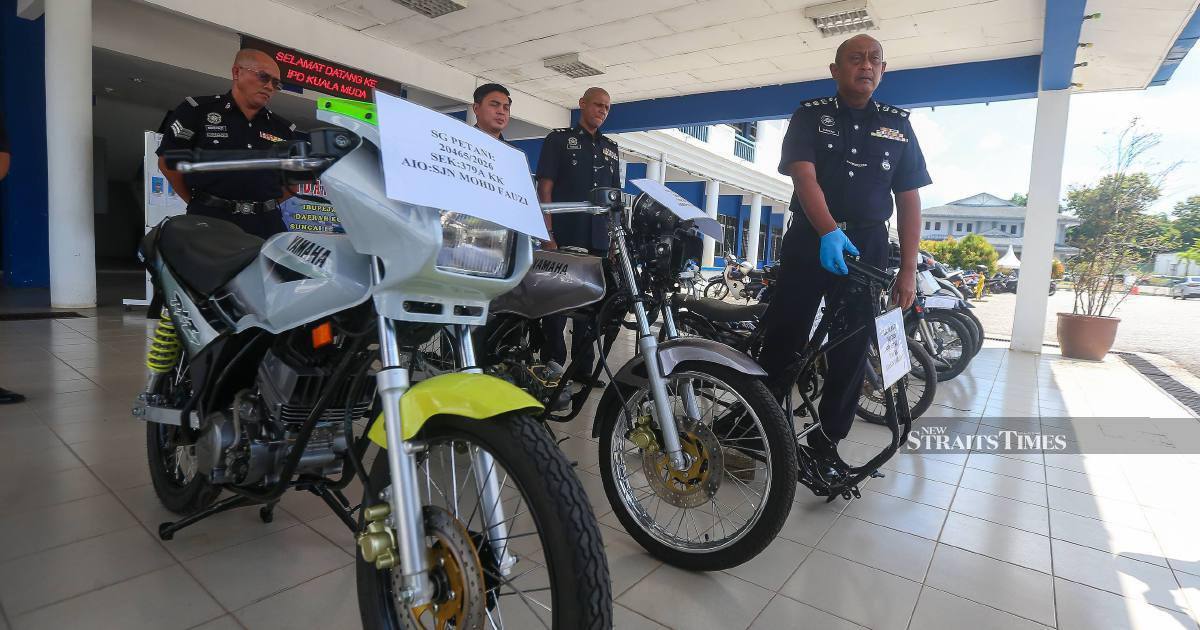
Law enforcement authorities in Sungai Petani have taken four teenage boys into custody following investigations into a pattern of motorcycle thefts that targeted the Keretapi Tanah Melayu Bhd (KTMB) parking area. The arrests, made on July 14, marked a significant breakthrough in addressing vehicle crime in the district, with police apprehending three brothers alongside an unrelated teenage associate believed to be part of the theft operation.
The incident underscores an increasingly common problem across Malaysian towns where parking facilities, particularly those at transportation hubs, have become focal points for opportunistic vehicle theft. The KTMB facility near Sungai Petani, serving commuters and travellers using the national railway network, appears to have been vulnerable to coordinated criminal activity. The targeting of motorcycle parking areas is particularly notable, as two-wheeled vehicles remain among the most frequently stolen motor vehicles in the country due to their portability and high demand in the secondary market.
The involvement of three brothers in the alleged criminal enterprise raises important questions about family dynamics and peer influence among young offenders. Such cases often reveal how family networks can become complicit in crime, with younger family members drawn into activities through proximity and perceived shared loyalty. The inclusion of a fourth teenager, unrelated to the three brothers, suggests the formation of a loose criminal network rather than an isolated incident, indicating that organized youth crime may extend beyond family ties.
Police investigations will likely focus on determining the roles each suspect allegedly played in the thefts. Typically, such operations involve division of labour—some individuals may have been responsible for reconnaissance, identifying vulnerable vehicles, while others handled the actual theft or provided lookout duties. Understanding the operational structure of the group could provide insights into how youth offenders organize criminal activities and whether there was an adult orchestrating the operation behind the scenes.
The discovery and arrest of these young suspects represents the culmination of investigative work by Sungai Petani police, though the full scope of their alleged activities remains unclear from available information. Authorities will need to establish the number of motorcycles involved, their values, and whether stolen vehicles were recovered. Insurance and vehicle owners affected by these thefts will be keen for updates on recovery prospects and charges being pursued against the accused.
For Sungai Petani residents and regular users of public transportation facilities, such arrests provide some reassurance about police responsiveness to property crime. However, they also highlight the ongoing vulnerability of parking areas at transport hubs. Railway operators and facility managers may now need to evaluate security measures, including improved CCTV coverage, increased patrols, and community awareness initiatives to deter future theft attempts.
The case reflects broader concerns about youth involvement in criminal activity across Malaysia. Teenage offenders, often facing limited employment prospects or struggling with socioeconomic disadvantages, may turn to theft as a means of income generation or material acquisition. The thefts near the KTMB facility may have been motivated by the need for quick cash or desire for motorcycles that were beyond their legitimate purchasing power. Understanding these underlying drivers is crucial for developing preventive strategies beyond law enforcement.
Cooperative policing approaches that engage the broader Sungai Petani community could prove valuable in preventing similar incidents. Information from residents, facility users, and transport workers about suspicious activities can significantly aid police investigations. Community reporting programs and awareness campaigns about the consequences of vehicle theft might also deter young people from engaging in such activities.
The legal process will now determine the appropriate charges and penalties for the four teenagers. Malaysian courts have generally shown willingness to consider rehabilitation options for youthful offenders, particularly first-time offenders, balancing accountability with the recognition that young people may still be capable of reform. The outcomes in this case could set important precedents for how similar youth crime is handled in Kedah.
For the broader transportation and security sectors, incidents like these underscore the importance of multi-layered protection strategies. Motorcycle owners themselves are advised to use additional security measures such as steering locks, disc locks, and parking in well-lit, monitored areas. Parking facility operators must invest in modern security infrastructure and staff training to create environments where criminals face higher risks of detection and apprehension.
The investigation into these four teenagers will likely continue as authorities establish the complete picture of their alleged criminal activities. Whether this represents the tip of a larger theft operation or an isolated incident remains to be determined through further inquiries and court proceedings.

