France's government has formally confirmed that the nation's next presidential election will take place across two dates in the spring of 2027, with the initial round scheduled for April 18 and any necessary runoff vote set for May 2. The announcement came during a Cabinet meeting on Wednesday, ending months of speculation about the electoral calendar and setting the stage for what promises to be a closely watched contest in one of Europe's largest democracies.
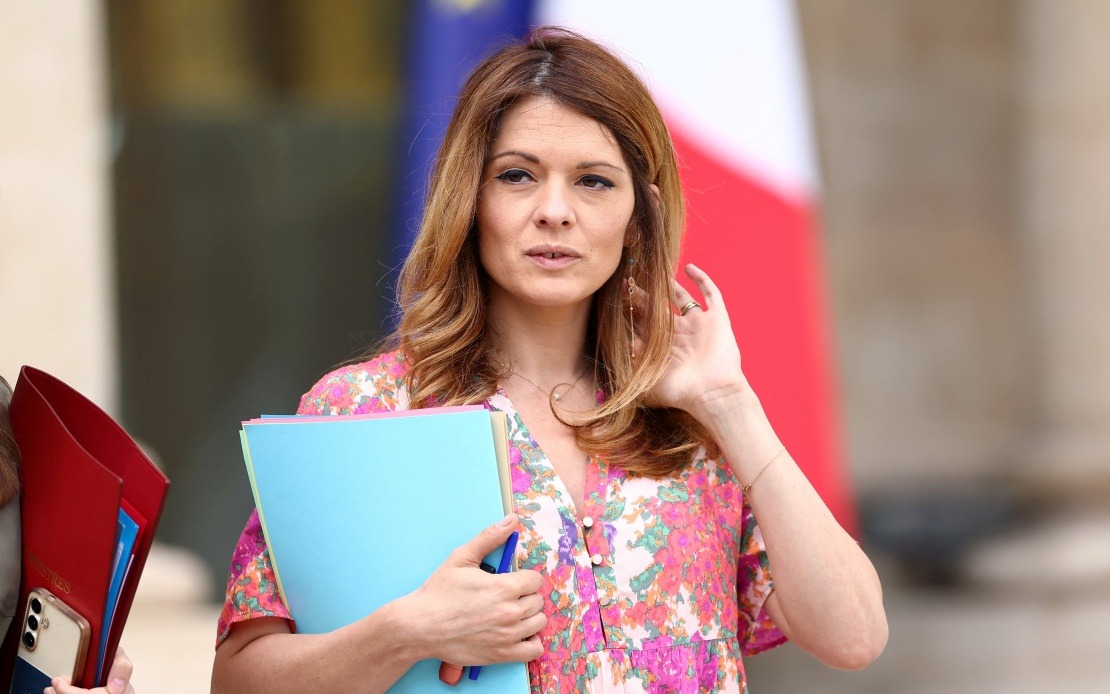
Government spokesperson Maud Bregeon sought to defuse concerns about the timing by emphasizing that the decision emerged from a methodical process rather than partisan calculation. She pointed to extensive consultations with representatives across the political spectrum and stressed that the schedule aligns with constitutional provisions governing French elections. According to Bregeon, the government deliberately avoided any appearance of favouritism in crafting a timeline that would give all candidates equal opportunity to campaign and present their platforms to voters.
However, the choice to schedule the potential second round for May 2 has sparked considerable pushback from political opponents, who view the proximity to International Workers' Day—traditionally celebrated across Europe on May 1—as strategically problematic. The compressed timeframe means that a runoff election would occur just one day after mass demonstrations that typically draw hundreds of thousands of French workers and activists to the streets. Critics contend that the timing could either energise or disrupt turnout among key voting blocs, depending on how post-demonstration sentiment crystallizes.
Bruno Retailleau, a prominent opposition figure, has been among the most vocal skeptics, characterizing the electoral calendar as lacking true neutrality. Retailleau's characterization suggests a pattern of advantage rather than coincidence, implying that whoever devised the schedule calculated potential political benefits. Such assertions reflect deeper anxieties within French politics about whether procedural decisions truly reflect neutral administration or mask strategic intent. The debate underscores how electoral timing, seemingly technical matters, can become flash points for accusations of manipulation in polarized democracies.
The government has pushed back firmly against allegations of political engineering. Officials maintain that the established rules governing French elections apply uniformly to all candidates, regardless of their party affiliation or political position. They argue that the campaign period will be sufficiently long to allow every contestant to articulate their vision, mobilize supporters, and engage voters in substantive debate. This insistence on procedural regularity reflects a determination to inoculate the electoral process against claims of bias.
Bregeon employed a somewhat dismissive tone when addressing concerns about the May Day proximity, noting that France has considerable experience managing electoral campaigns around major public holidays and demonstrations. Her comment suggests that logistical challenges posed by the timing are routine rather than exceptional. Nonetheless, the remark could strike opponents as tone-deaf to their substantive concerns about whether workers mobilizing on May 1 might face distractions, exhaustion, or reduced participation in a May 2 runoff.
The government spokesperson reiterated that the 2027 timetable reflects an assessment of all existing constraints and emerged from dialogue with political forces across the ideological spectrum. This framing attempts to position the schedule as the product of genuine consensus-building rather than unilateral executive decision-making. By emphasizing consultation, the government seeks legitimacy grounded in procedural inclusivity. Whether opposition parties genuinely endorsed the arrangement or merely acquiesced remains unclear from available reporting.
Bregeon acknowledged that no electoral calendar can satisfy every preference or eliminate all criticism, a concession that implicitly recognizes the inherent contestability of any chosen dates. Nonetheless, she insisted that candidates will enjoy adequate time to conduct their campaigns and present detailed policy proposals to the electorate. This argument prioritizes substantive campaign duration over concerns about specific date choices, suggesting that the government views lengthy preparation periods as more important than symbolic considerations around particular holidays.
The 2027 election will be consequential for France and, by extension, for the European Union's political trajectory. French presidents exercise significant influence over European institutions and policy, making the contest relevant far beyond French borders. The campaign promises to test how French voters assess the performance of whoever occupies the Élysée Palace in 2027, as well as how they weigh competing visions for France's role in an increasingly fragmented Europe. For observers in Southeast Asia and elsewhere, the French election offers insights into how established democracies navigate polarization and electoral contestation.
The formal announcement of election dates typically marks the beginning of sustained political activity around the contest, even as official campaign periods remain months away. Political parties will likely use the intervening time to consolidate their bases, recruit candidates, and develop policy platforms. The explicit confirmation of dates also allows interested observers—including international analysts and election monitors—to prepare assessments of the process and potential outcomes. The 2027 French presidential election now formally enters the regional and global consciousness as a landmark democratic event.
From a Malaysian perspective, the French electoral process offers comparative lessons about managing multiparty democracy and electoral integrity in complex political environments. France, like Malaysia, must balance competing claims about representation, fairness, and procedural legitimacy. While the specific contexts differ substantially, both nations wrestle with fundamental questions about how democratic processes should be structured and whether technical decisions about timing and procedure carry hidden political meaning. Close observation of how France resolves these tensions around its 2027 election may provide useful reference points for ongoing debates about electoral administration in Southeast Asia.

