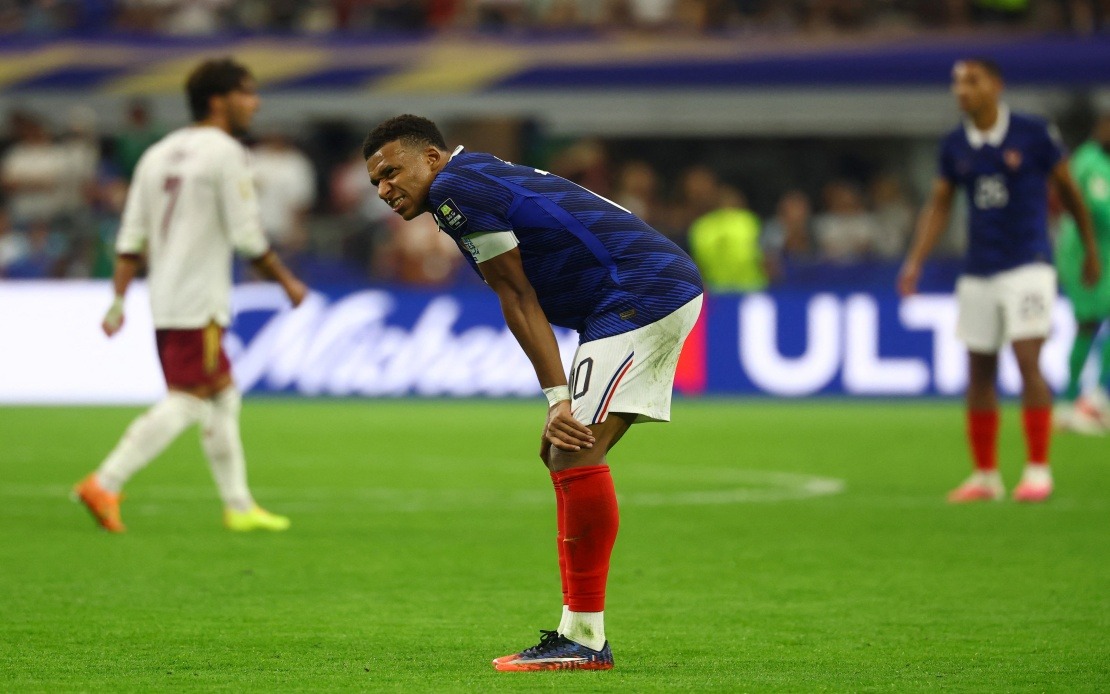
France experienced significant public disorder on Tuesday evening following its elimination from the FIFA World Cup at the semifinal stage, as Spain secured a decisive 2-0 victory. The aftermath saw coordinated law enforcement operations across multiple cities, resulting in more than 160 arrests as authorities moved to contain widespread clashes and disturbances that erupted in the hours following the final whistle.
The Paris region bore the brunt of the disorder, with the Paris Police Prefecture confirming that 141 individuals were taken into custody in connection with incidents that unfolded throughout the evening. The arrest operations reflected a substantial security response as authorities sought to prevent escalation and restore order in the capital and surrounding districts. Most of those detained faced allegations connected to the deployment of firework mortars in confrontations with law enforcement personnel and emergency responders, underscoring the violent nature of some of the incidents that transpired.
While the scale of arrests was substantial, French authorities reported that the disturbances did not result in serious injuries among police, emergency workers, or members of the public. This outcome reflected both the relatively contained nature of most incidents and the rapid response protocols implemented by French security forces to manage crowd dynamics and prevent further deterioration. The absence of severe casualties, despite the use of fireworks and projectiles, suggested that while tensions ran high, circumstances did not spiral into more dangerous confrontations.
Lyon, France's third-largest city, witnessed its own parallel scenes of disorder as fans gathered at Place Bellecour to follow the semifinal match. The venue, one of Europe's largest public squares, had attracted several hundred spectators intent on experiencing the World Cup drama collectively. However, as Spain's final whistle came and victory became certain, the atmosphere shifted markedly from anticipation to disappointment and anger.
Following Spain's triumph, smaller factions within the crowd began organizing, with individuals throwing projectiles toward police deployments in the area. Fireworks featured prominently among the items used in these confrontations, creating a volatile environment that required rapid police intervention. French riot control units responded to the disturbances, and approximately 20 people were apprehended in connection with the Lyon incidents, though the city avoided the scale of disorder witnessed in Paris.
Authorities in Lyon indicated that no injuries were sustained and that property damage remained minimal, suggesting that police presence and intervention protocols successfully contained the situation before it could deteriorate further. The relative restraint compared to Paris may reflect both the smaller gathering size and the success of early intervention strategies deployed by local law enforcement. Nevertheless, the incidents underscored that disappointment from France's unexpected exit from the tournament extended beyond the capital.
Demographic data released by authorities revealed that the detainees in Lyon were predominantly young individuals, with ages ranging from those born in 2002 through 2011, indicating that adolescents and young adults comprised the majority of those arrested for the disturbances. This generational composition raises questions about how younger French citizens processed the national team's failure and whether specific social or economic grievances became intertwined with sporting disappointment.
The incidents point to broader patterns observable across Europe where major sporting defeats occasionally trigger public disorder, particularly when national teams fail in major tournaments. France's exit represented a significant disappointment given the nation's status as defending World Cup champions and a perennial tournament favorite. The emotional investment in national team performance runs deep in French culture, and the sudden termination of tournament hopes created conditions susceptible to unrest.
For Malaysia and Southeast Asian observers, these events illustrate how sporting events can intersect with broader social dynamics and public order considerations. While the region's football-loving populations experience similar emotional attachments to national teams, the scale and nature of post-match disorder in European cities reflects distinct urban, demographic, and social conditions. Understanding these patterns provides context for managing public gatherings around major sporting events and recognizing the psychological and sociological dimensions of fan engagement.
The French law enforcement response demonstrated coordinated mobilization across multiple jurisdictions, suggesting advance planning for potential disturbances. Authorities deployed riot control units proactively and executed arrest operations with apparent efficiency, though the necessity of such extensive measures reflected genuine security concerns. The incidents, while not resulting in catastrophic outcomes, imposed substantial costs on public resources and raised questions about whether such disruptions are an inevitable consequence of major sporting events or whether improved crowd management and community engagement could reduce such incidents in future tournaments.

