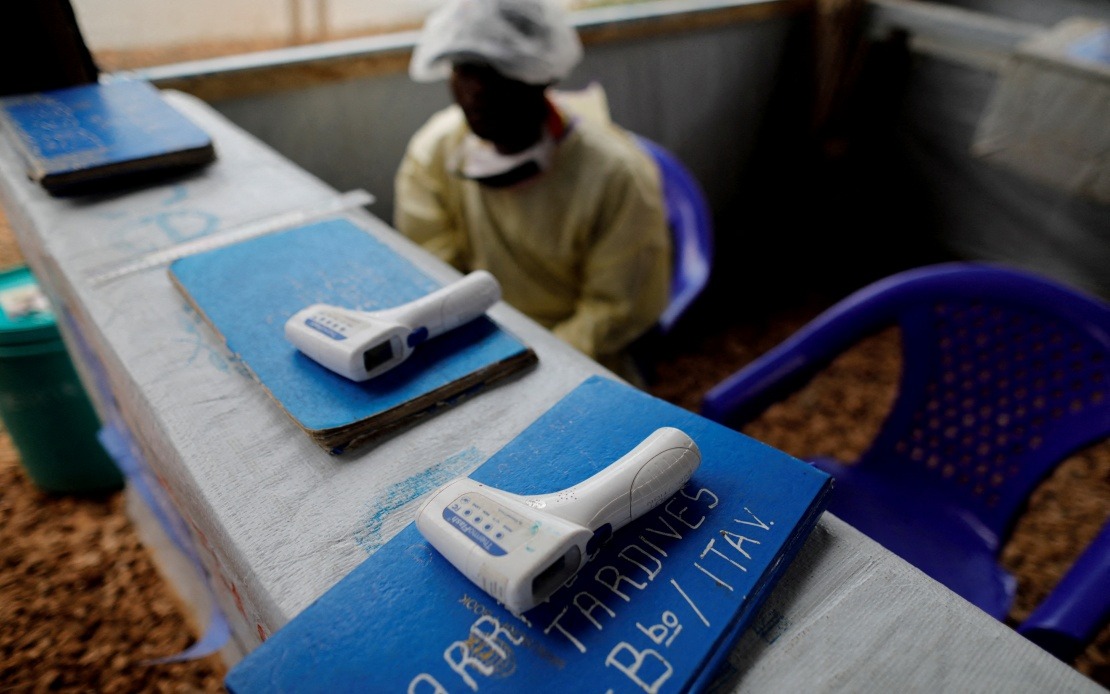
France has achieved a positive outcome in its first documented case of Ebola on national territory, with Health Minister Stéphanie Rist announcing the successful recovery and hospital discharge of the infected patient. The development offers a measure of reassurance as the world continues grappling with the infectious disease, particularly amid an ongoing and severe outbreak centred in Central Africa. The patient's recovery underscores the importance of early detection, swift medical intervention, and comprehensive healthcare protocols in managing high-consequence infectious diseases in developed nations.
The infected individual is a medical professional engaged in humanitarian work who had been operating in the Democratic Republic of the Congo before returning to France on June 23. The timing of the return proved crucial, as the patient was identified and placed under rigorous medical supervision almost immediately upon arrival. This rapid response minimised the risk of broader community transmission and allowed healthcare providers to monitor the progression of the illness with precision. The patient's background as a healthcare worker likely contributed to early symptom recognition and prompt reporting to relevant health authorities.
Crucially, the patient did not develop the severe clinical manifestations typically associated with Ebola virus disease. The infection remained relatively mild throughout the treatment period, allowing medical teams to manage symptoms effectively and support the body's natural immune response. This outcome reflects both the individual variation in disease severity and the availability of advanced medical interventions in a well-resourced healthcare system. The discharge from hospital signals that the patient has not only recovered medically but also poses no ongoing transmission risk to the public or healthcare personnel.
The Democratic Republic of the Congo has been contending with a devastating Ebola outbreak since mid-May, representing one of the most significant public health emergencies in the region. According to official government data available at the time of the French patient's discharge, the outbreak had claimed 438 lives and affected 1,502 confirmed cases. These figures underscore the scale of the crisis unfolding in Central Africa and the real and persistent risks that healthcare workers and other individuals in affected regions face during their daily activities. The humanitarian medical professional's infection reflects the occupational hazards inherent in providing care during epidemic situations.
For Malaysia and the broader Southeast Asian region, this incident carries important implications regarding infectious disease surveillance and border health security. The case demonstrates that international travel can rapidly transport pathogens across continents, even when infection rates remain relatively low. Southeast Asian nations, which maintain significant travel flows to and from African countries through multiple sectors including healthcare, agriculture, business, and humanitarian work, must maintain vigilant screening protocols at entry points. The French case shows that with proper systems in place, even high-consequence pathogens can be detected and managed before community spread occurs.
The recovery also highlights the disparity in health system capacity between developed and developing nations when confronting Ebola. France's sophisticated medical infrastructure, trained personnel, and access to advanced supportive care technologies provided optimal conditions for patient recovery. In contrast, the Democratic Republic of the Congo, despite efforts by international partners and health organisations, continues to struggle with limited resources, which likely contributes to higher mortality rates in the region. This inequality in outcomes raises broader questions about global health justice and the responsibility of wealthier nations to support outbreak response in less resourced areas.
French health authorities' transparent communication regarding the case reflects international best practices in infectious disease management. Public disclosure of infection status, patient outcomes, and epidemiological details builds confidence in disease surveillance systems and helps other nations calibrate their own preparedness measures. The announcement by Minister Rist demonstrates how developed nations typically handle emerging infectious disease incidents, a model that regional health authorities worldwide often study and attempt to emulate according to their specific contexts and capacity levels.
The incident underscores the persistent global threat posed by Ebola despite decades of scientific understanding and vaccine development. The virus continues circulating in animal reservoirs, particularly in Central and West African regions, and intermittently spills over into human populations. Healthcare workers operating in these regions remain at elevated risk, even when following recommended precautions, which highlights the need for ongoing investment in prevention, early warning systems, and occupational health protections for those engaged in humanitarian medical work.
Looking forward, the French experience provides valuable data for the global health community regarding disease management and recovery trajectories. The case contributes to the expanding epidemiological literature on Ebola outcomes and may inform clinical protocols for managing similar cases in other nations. International health organisations and regional disease control centres across Southeast Asia should incorporate lessons from this incident into their pandemic preparedness frameworks and healthcare worker training programmes. The successful outcome demonstrates that with appropriate vigilance and medical resources, even serious pathogens can be contained and overcome, though prevention and prevention remain preferable to treatment in all circumstances.

