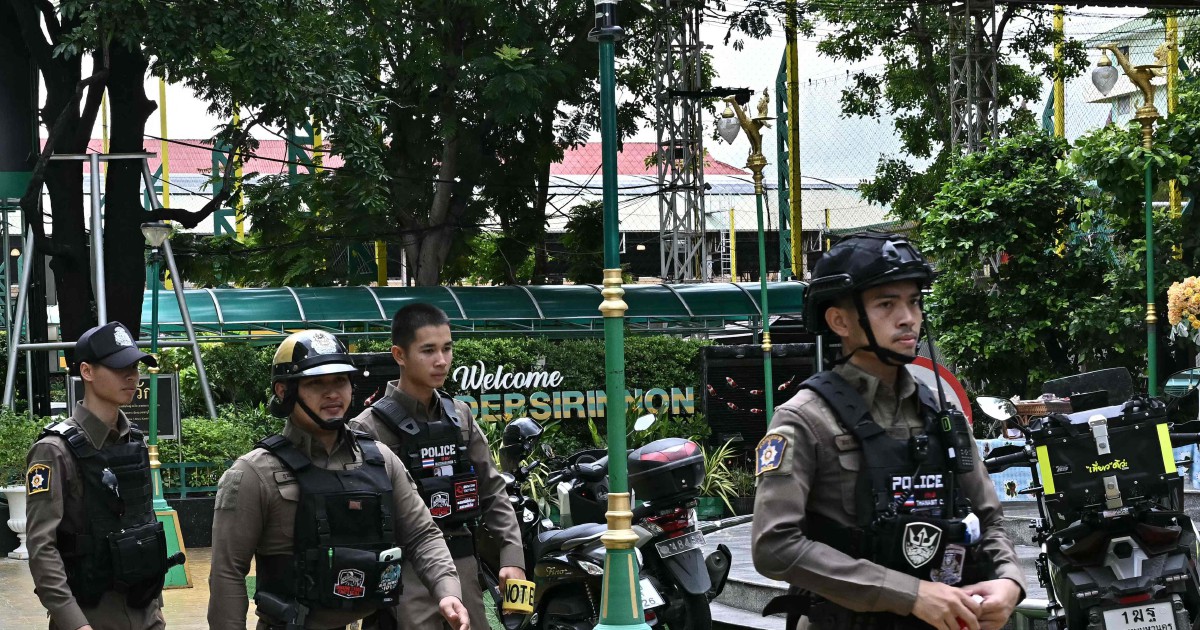
Thai police have arrested and detained at least eleven French nationals across multiple incidents since the start of the summer season, according to a statement released to media by a law enforcement official on Tuesday. The individuals were intercepted at various locations throughout Thailand while carrying several kilograms of cannabis concealed within their personal luggage, marking a significant drug enforcement operation targeting foreign visitors to the kingdom.
The cases underscore an increasingly common pattern affecting tourists from wealthy nations who visit Thailand, whether through deliberate smuggling schemes or as unwitting participants in drug trafficking operations. These arrests represent only a portion of the broader enforcement activities undertaken by Thai narcotics authorities during peak travel season, when international passenger volumes surge considerably across airports, borders, and coastal entry points.
Thailand maintains exceptionally strict narcotics laws that carry severe penalties for drug possession and trafficking offences. The kingdom classifies cannabis as a controlled substance, and individuals apprehended with even modest quantities face substantial criminal charges. First-time offenders convicted of possession can receive imprisonment ranging from several months to multiple years, while those accused of trafficking face significantly longer sentences, sometimes extending beyond a decade. Fines in the hundreds of thousands of baht routinely accompany custodial sentences.
The circumstances surrounding these French detentions suggest a troubling pattern of criminal recruitment targeting European tourists. Criminal networks operating across Southeast Asia have developed sophisticated methods to exploit holidaymakers, frequently approaching them with promises of easy money through discreet luggage transport. What victims perceive as lucrative payment for casual courier work typically masks involvement in high-value narcotics distribution networks. The modest compensation offered—often in the range of several hundred to a few thousand euros—belies the substantial prison sentences and international legal complexities awaiting those discovered.
For Malaysian readers and Southeast Asian travellers, these cases carry important cautionary messages about border enforcement in the region. Thailand's transport ministry and narcotics police have progressively enhanced detection capabilities at major airports and land borders, employing both advanced scanning equipment and drug-sniffing units. The frequency of such apprehensions suggests authorities are actively targeting known trafficking routes and transit hubs. Similar vigilance characterises Malaysian customs operations at Kuala Lumpur International Airport and land crossings, making the entire Southeast Asian corridor increasingly hazardous for smugglers and their unwitting accomplices.
The detention of French nationals in Thailand creates complex diplomatic situations requiring intervention from consular services. The French embassy in Bangkok has been managing cases, coordinating with Thai judicial authorities and assisting detained citizens in accessing legal representation. Language barriers and unfamiliarity with Thai criminal procedure compounds the difficulties faced by foreign detainees who often lack prior experience with the legal system. Many remain incarcerated pending trial completion, a process that can extend considerably in Thai courts where heavy caseloads and procedural complexities characterise proceedings.
Criminal networks recruiting foreign couriers specifically target individuals experiencing financial difficulties in their home countries. Marketing language emphasises minimal risk and substantial payment, deliberately obscuring the genuine consequences of participation. Young people from France, Italy, Spain and other European nations have repeatedly fallen victim to such recruitment pitches, either directly in their home countries or through social media platforms and encrypted messaging applications. The appeal of supposedly effortless income becomes particularly potent during economic downturns or periods of personal financial strain.
The summer season represents peak activity for both legitimate tourism and international drug trafficking operations. Increased passenger traffic creates cover for criminal movements, while vacationing tourists temporarily separated from their usual routines may be more vulnerable to exploitation and persuasion. Thai authorities have intensified checkpoint operations and luggage screening procedures during high-season periods, recognising this temporal vulnerability in their enforcement strategy.
These cases also highlight the limited awareness many European tourists maintain regarding narcotics legislation in Asian destinations. While Thailand's severity is well-documented in travel warnings issued by foreign ministries, complacency persists among younger travellers who underestimate law enforcement capabilities or misjudge actual penalties. The dramatic discrepancy between casual drug attitudes in Western Europe and the harsh reality of Asian criminal justice systems creates a dangerous disconnect in perceptions of risk and consequence.
For individuals already detained, the path forward involves navigating Thai criminal courts while potentially engaging international legal specialists familiar with cross-border cases. Some may eventually secure repatriation arrangements allowing them to serve sentences in their home countries, though such agreements require diplomatic negotiations and depend on specific treaty provisions between France and Thailand. The psychological toll of extended detention in unfamiliar prison systems, combined with substantial financial costs of legal representation, creates lasting trauma for those involved and their families.

