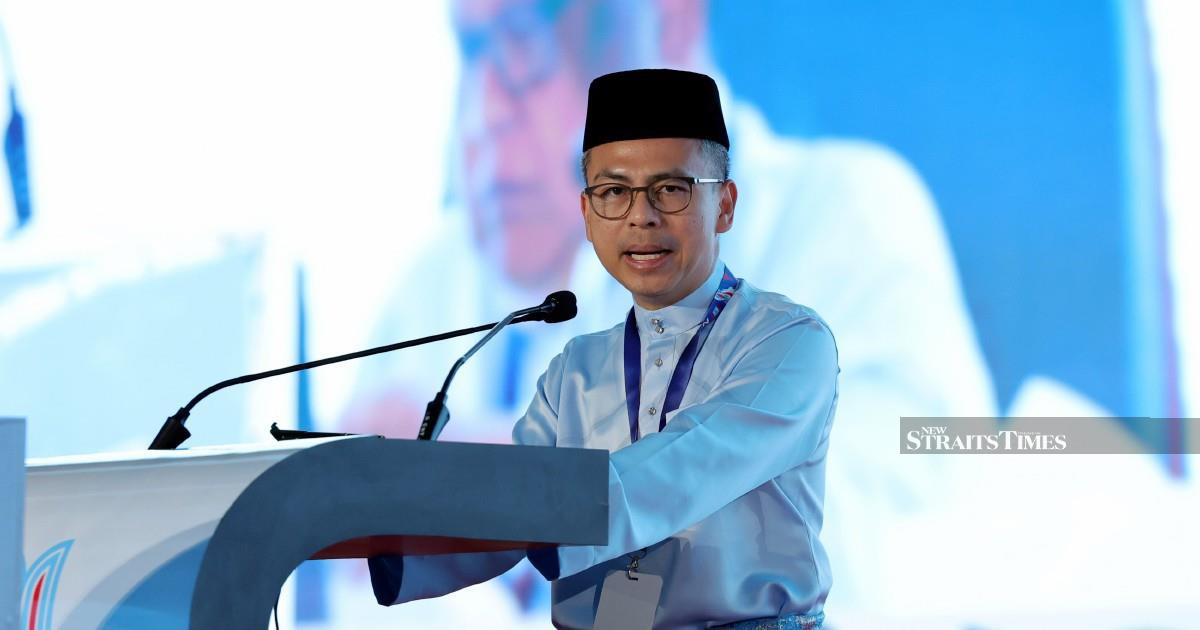
Prime Minister Datuk Seri Anwar Ibrahim is expected to announce a series of major initiatives in the coming days, according to PKR information chief Datuk Seri Fahmi Fadzil, who indicated that developments could materialise as soon as tomorrow. The timing of these announcements suggests the government is preparing to roll out substantive policy measures or administrative decisions that will require formal presidential disclosure. While specific details remain undisclosed, the signal from the ruling coalition's communications apparatus points toward coordinated government action on matters deemed significant enough to warrant direct Prime Ministerial address.
Fahmi's comments, made during an event in Ayer Keroh, carry particular weight given his official role within the Parti Keadilan Rakyat structure overseeing public communications strategy. His position affords him insight into the Prime Minister's office scheduling and strategic communications planning. The deliberate nature of his remarks suggests this is not casual speculation but rather an indication emerging from government circles regarding Anwar's intended legislative or administrative agenda. Such signals typically precede major policy announcements, cabinet reshuffles, or significant institutional reforms requiring Prime Ministerial authority.
For Malaysian business and political observers, the prospect of imminent announcements warrants attention given the current governance landscape. The administration has consistently utilised major press releases and official statements to articulate economic policies, administrative reforms, and strategic government initiatives. Understanding the pattern and timing of such announcements helps stakeholders anticipate shifts in policy direction, regulatory frameworks, or institutional priorities. Fahmi's indication therefore provides a window into how the government intends to shape the immediate political and administrative agenda.
The reference to multiple announcements rather than a singular declaration suggests the government has prepared a comprehensive package of measures for public disclosure. This approach aligns with recent governance practices where several connected or complementary initiatives are presented together to establish a unified narrative around government priorities. The strategy typically involves coordinating announcements across ministerial portfolios to demonstrate whole-of-government commitment toward strategic objectives, whether economic, institutional, or developmental in nature.
Regional analysts watching Malaysian politics will note that such announcement cycles often correlate with quarterly government performance reviews, fiscal policy adjustments, or responses to pressing national challenges. The timing mentioned by Fahmi coincides with the normal rhythm of Malaysian governance where the Prime Minister periodically addresses the nation on matters of governance, economic management, or strategic national direction. Understanding these cycles provides context for how Malaysia positions itself regionally and manages its institutional commitments.
From a Southeast Asian perspective, Malaysian policy announcements frequently carry cross-border implications, particularly regarding trade, investment, regional cooperation frameworks, and labour movement. Major Prime Ministerial statements often outline Malaysia's positioning within ASEAN initiatives, bilateral relationships with neighbouring countries, and the broader economic strategy positioning the nation competitively within regional markets. Stakeholders in Singapore, Thailand, Indonesia, and other ASEAN neighbours typically monitor such announcements closely for implications affecting cross-border commerce, investment flows, and diplomatic relationships.
The PKR party machinery's readiness to signal forthcoming announcements also reflects the ruling coalition's communications discipline and coordination mechanisms. Fahmi's statement appears designed to prepare the political landscape, media environment, and public consciousness for significant government actions. This preparatory messaging often precedes formal announcements by creating anticipatory awareness, allowing government narrative framers to shape initial interpretation of policies before detailed specifications are released. It represents a calculated approach to managing political communication and public reception of potentially consequential government decisions.
For Malaysian citizens and businesses, the prospect of imminent announcements carries practical implications depending on the policy domains addressed. Economic announcements might involve fiscal measures, investment incentives, or sectoral reforms affecting employment and business conditions. Administrative announcements could involve institutional restructuring, regulatory changes, or governance reforms affecting how government services function. Policy announcements might address infrastructure priorities, technological adoption, or sustainability initiatives reshaping long-term development trajectories. The multiplicity suggested by Fahmi indicates the government intends comprehensive rather than incremental action.
The international business community maintaining operations or investment interests in Malaysia similarly views such announcement cycles as markers for policy stability assessments and regulatory environment forecasting. Major Prime Ministerial announcements often clarify government commitment levels toward investor protections, market liberalisation, or strategic economic sectors. Companies evaluating Malaysia as an investment destination typically use such formal government statements as primary indicators of policy permanence and strategic direction. The forthcoming announcements may therefore influence perceptions of Malaysia's business climate and attractiveness to foreign capital.
Looking ahead, stakeholders should monitor not only the substance of Anwar's announcements but also their strategic sequencing and framing narratives. Government communications strategies typically employ sophisticated timing and presentation approaches designed to maximise political benefit, media coverage, and public reception. The coordination suggested by Fahmi's remarks indicates the administration has carefully orchestrated these announcements within a broader political and administrative strategy. Understanding the connections between different announcements often provides deeper insight into government priorities and long-term policy objectives than examining individual statements in isolation.

