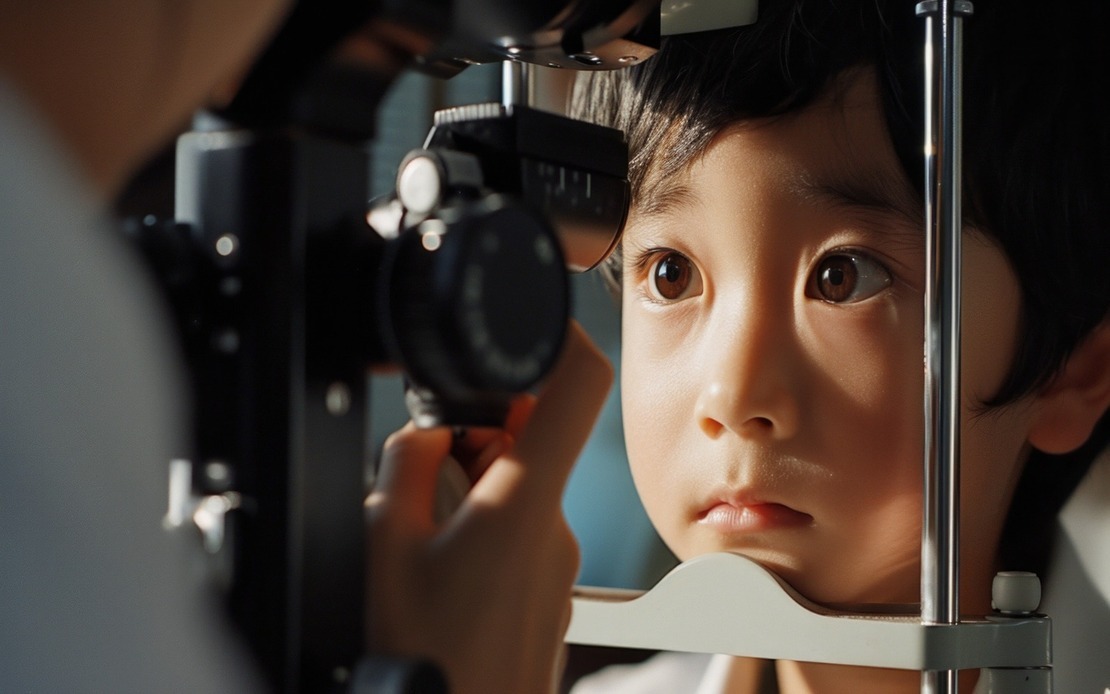
The battle against preventable blindness in Malaysia requires vigilance across all life stages, according to a paediatric eye specialist who emphasises that vision problems identified early can often be managed with minimal intervention. Dr Fazilawati A Qamarruddin, Consultant Ophthalmologist at Sunway Medical Centre, warns that two common conditions—squinting and cataracts—frequently go undetected until they cause significant harm, particularly among vulnerable populations ranging from toddlers to retirees. Her advocacy comes at a time when Malaysia's ageing population faces rising rates of age-related eye disease, whilst younger citizens increasingly struggle with screen-induced refractive changes.
Squinting, medically termed strabismus, occurs when the eyes fail to align properly, leaving one eye pointing in a divergent direction. This misalignment disrupts far more than simple sight; it compromises depth perception, interferes with learning capacity, and erodes self-confidence during formative years. Children with undetected squinting may struggle academically without adults realising their vision is the culprit, whilst their peers develop normally. The condition stems from various origins—uncorrected refractive errors represent the most common cause, yet neural deficits, past trauma, or even brain and orbital tumours can also trigger misalignment. In adults, childhood squints may persist into adulthood, or new onset squinting accompanied by double vision signals potential neurological complications warranting urgent medical evaluation to exclude serious pathology.
The statistical landscape reveals concerning gaps in Malaysian eye care awareness. Global research indicates that between two and four percent of children experience strabismus—a figure that translates into thousands of Malaysian youngsters navigating school and social development with undiagnosed vision problems. Many cases remain hidden until academic performance declines noticeably or social anxiety becomes apparent, representing missed opportunities for simple correction. The mechanism underlying this danger involves amblyopia, or lazy eye, where the brain gradually ceases communicating with the weaker eye and relies exclusively on the stronger one, effectively rendering the neglected eye functionally blind over time. This neural adaptation becomes increasingly difficult to reverse as children mature, making early intervention absolutely essential.
Dr Fazilawati advocates for proactive screening beginning by age three, with follow-up examinations before primary school enrollment. Refractive errors—myopia, hyperopia, and astigmatism—represent Malaysia's most prevalent eye problems amongst children and remain easily correctable through prescription eyeglasses when identified promptly. Parents should recognise warning signs including head tilting, frequent squinting, excessive proximity to television screens, and recurring headaches, viewing these as legitimate triggers for professional eye examination rather than waiting for schools to report concerns. The difference between early intervention and delayed diagnosis often determines whether a child enjoys a lifetime of normal vision or faces permanent visual restriction.
Cataracts present a distinctly different challenge, predominantly affecting adults aged over sixty as the eye's natural lens gradually clouds through accumulated protein deposition. Certain populations experience accelerated cataract development, including those with diabetes, smokers, and individuals with cumulative sun exposure, suggesting that lifestyle modifications and metabolic control during middle age may delay onset. The symptomatic progression proves insidious—initially manifesting as cloudy or foggy vision, sufferers subsequently experience glare sensitivity, colour fading, and difficulty driving after dark. Many Malaysian seniors endure these symptoms for years, attributing them to normal ageing, before seeking treatment and discovering their vision loss was entirely addressable.
Modern surgical innovation has fundamentally transformed cataract treatment outcomes, particularly through phacoemulsification technology that leverages ultrasound energy to fragment the opaque lens through remarkably small incisions. This minimally invasive approach accelerates recovery dramatically compared to older surgical methods requiring larger wounds and extended healing periods. Most patients return to light daily activities within seven days, with comprehensive visual recovery occurring within two weeks, allowing seniors to resume independence relatively quickly. The procedure's suitability for day surgery in most cases eliminates hospitalisation requirements and associated costs, making cataract management increasingly accessible to Malaysian patients across socioeconomic backgrounds.
The emerging threat of screen-related vision deterioration demands urgent public health attention, particularly as digital device usage becomes ubiquitous among Malaysian children and adolescents. Extended screen exposure appears associated with accelerating myopic progression, potentially explaining rising short-sightedness rates among younger generations. Dr Fazilawati recommends implementing the 20-20-20 protocol—gazing at distant objects twenty feet away for twenty seconds every twenty minutes of concentrated screen use—to reduce accommodation strain and provide regular visual system relaxation. This simple, cost-free intervention addresses workplace eye fatigue equally effectively and deserves wider promotion through schools and corporate wellness programmes.
Systematic screening protocols across Malaysia's diverse demographic landscape require tailoring to specific age groups and risk categories. Children should undergo comprehensive eye examinations before school commencement, establishing a baseline and identifying refractive errors susceptible to spectacle correction. Adults transitioning into middle age at forty years should commence regular eye checks, establishing whether age-related presbyopia or other conditions require management. Diabetic patients represent a particularly vulnerable cohort requiring annual screening, as diabetic retinopathy can progress rapidly yet remains highly treatable when detected early, potentially preserving sight that would otherwise deteriorate to blindness within months.
The psychological and developmental consequences of unaddressed vision problems extend beyond ophthalmological considerations, infiltrating educational achievement, social integration, and employment prospects. Malaysian children struggling with undetected strabismus or refractive errors frequently underperform academically, teachers attributing underachievement to cognitive limitations rather than sensory deficit. Similarly, seniors delaying cataract surgery unnecessarily restrict their independence, accepting visual impairment as inevitable rather than recognising it as surgically remediable. The cumulative societal cost of postponed eye care—measured in lost productivity, educational disparities, and reduced quality of life—far exceeds the expenditure required for timely screening and intervention.
Dr Fazilawati's call to action reflects broader challenges within Malaysia's eye care infrastructure, where awareness campaigns remain insufficient and access to services unequally distributed geographically. Rural communities particularly lack convenient access to specialist eye examination, whilst urban populations enjoy multiple options. Investment in community-based screening programmes, training of primary healthcare providers to identify suspicious eye signs, and government subsidies for spectacle provision would substantially improve national eye health outcomes. The evidence clearly demonstrates that early detection enables straightforward treatment, preventing the transition from manageable conditions to irreversible blindness that burdens patients, families, and healthcare systems alike.

