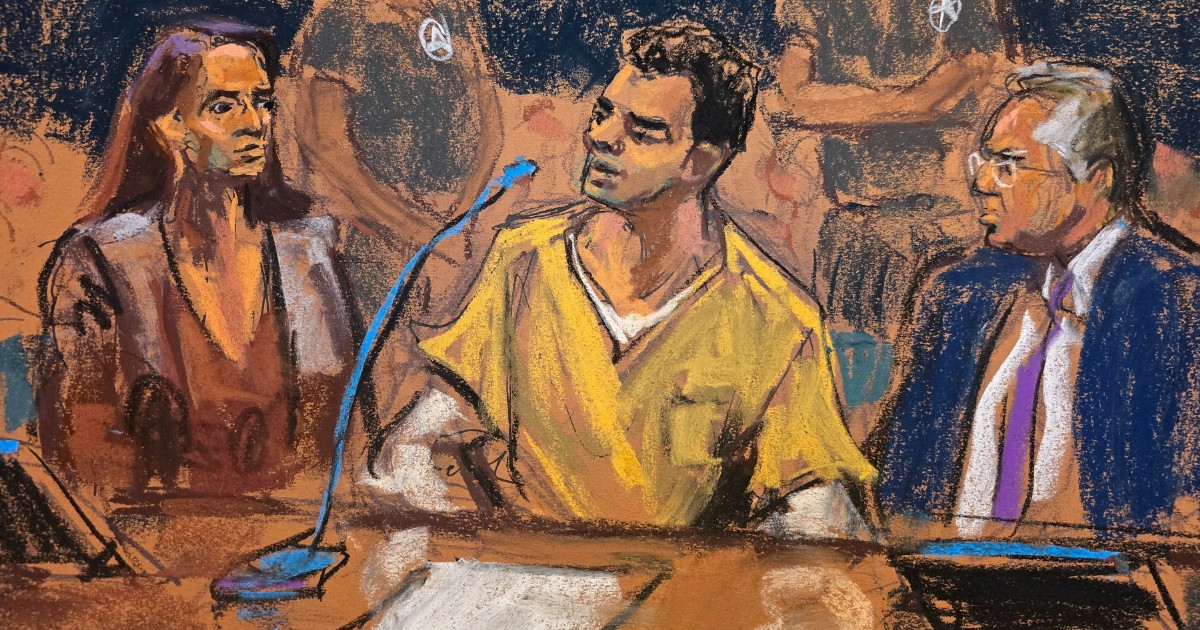
The shooting death of a prominent American health insurance executive has taken a stark turn as the accused gunman aired deep frustrations with the US healthcare establishment during a highly publicised courtroom proceeding. Luigi Mangione, who stands accused of the killing, framed his alleged crime not as a random act of violence but as a calculated statement against a system he views as fundamentally broken. His courtroom statements have thrust into the spotlight the simmering anger many Americans harbour towards insurance companies, particularly regarding their role in denying or delaying medical treatments that patients believe they need.
Mangione's defence strategy appears rooted in personal suffering combined with broader ideological grievance. The accused has repeatedly referenced a significant back injury that he contends shaped his worldview and actions. Rather than depicting himself as a cold-blooded assassin, Mangione has attempted to portray his alleged actions as stemming from desperation born of medical hardship. This framing resonates with a particular strain of American public discourse in which insurance companies occupy a uniquely despised position, viewed by critics as profit-driven gatekeepers blocking access to necessary care. The choice to centre his courtroom narrative around healthcare failures rather than conventional criminal defence suggests Mangione may be banking on some degree of public sympathy or at least understanding of his motivations.
The case illuminates fundamental tensions within the American healthcare system that have no direct parallel in most developed nations. Unlike Malaysia and other countries with either subsidised national systems or regulated private markets, the United States relies heavily on private insurance companies that make coverage decisions affecting millions. These insurers function simultaneously as gatekeepers determining which treatments patients can access and as profit-maximising corporations answerable to shareholders. Patients frequently encounter denials or delays when seeking approval for procedures their physicians recommend, creating a system where insurance company decisions can override medical judgment. This structural reality has bred deep public resentment, particularly among those who have experienced personal medical crises.
Mangione's invocation of healthcare system failure represents more than a simple legal defence; it reflects genuine grievances shared across American society. Surveys consistently show that healthcare costs and insurance practices rank among Americans' leading sources of anxiety and anger. The notion that an insurance executive might become a target reflects how thoroughly the industry has become associated with blocking access to care rather than facilitating it. For Southeast Asian observers, this dynamic offers instructive contrast with alternative healthcare models. Malaysia's mix of government subsidies, regulated private provision, and managed competition has produced outcomes quite different from America's fragmented, profit-driven system. Where American patients face insurance denials, Malaysian patients navigate different constraints and tradeoffs, but the fundamental dynamic of corporate gatekeeping is less pronounced.
The alleged victim, a UnitedHealthcare executive, represented the visible face of the insurance industry's decision-making power. Insurance executives occupy a peculiar position in American public consciousness—they are simultaneously abstract symbols of systemic injustice and specific individuals responsible for particular denial decisions that harm patients. Mangione's decision to target such a figure, combined with his subsequent courtroom statements blaming healthcare system failures, suggests an attempt to elevate his actions from individual crime to political statement. Whether intentional or not, this framing has forced renewed public attention to insurance company practices that often operate outside sustained scrutiny.
The back injury that Mangione emphasises in his courtroom statements likely represents his personal entry point into understanding healthcare system dysfunction. Back pain ranks among the most commonly experienced yet frequently contested conditions in the American insurance context. Treatments range from conservative approaches to expensive interventions, creating ample opportunity for insurance companies to deny or delay coverage while patients suffer. When individuals experience such denials firsthand, they often develop profound bitterness toward the specific system that blocked their treatment. Mangione's attempt to link his personal medical struggles to broader healthcare critique suggests he views his case as emblematic rather than unique.
From a Southeast Asian perspective, the case underscores why healthcare system design matters profoundly for social stability and public trust. The American system's dependence on private insurance as the primary coverage mechanism creates adversarial relationships between patients and companies. In contrast, Malaysia's dual system combining government provision with private alternatives tends to frame healthcare as either a public good or a consumer service rather than as a contested battleground between patients and corporate gatekeepers. This structural difference, while sometimes obscured by debates over specific policies or funding levels, shapes the tenor and intensity of public discourse around healthcare access.
Mangione's courtroom statements claiming that his alleged crime aimed to make "health care work better for everyone" reveal how he has attempted to construct a political narrative around what others might dismiss as a murder motivated by personal grievance. This rhetorical move—positioning violent action as serving the collective good rather than individual catharsis—appears designed to appeal to sympathetic observers who share his critique of insurance industry practices. Whether courts or the public will accept this framing remains uncertain, but the attempt itself demonstrates how deeply American healthcare frustration runs and how some individuals have begun constructing justifications for extreme responses.
The case has reignited national conversation about insurance company practices, particularly regarding claim denials and coverage limitations. Investigative journalism and consumer advocacy groups have long documented instances where insurance companies deny medically necessary treatments to preserve profits. Mangione's alleged crime and subsequent courtroom statements have amplified these critiques dramatically, placing them before a national audience that might otherwise dismiss such concerns as routine complaints. The publicity surrounding the case may ultimately prove more consequential than any legal verdict, forcing sustained public and legislative attention to insurance practices that have previously operated with relative impunity.
For Malaysian healthcare observers and policymakers, the Mangione case offers a cautionary illustration of what can occur when healthcare systems become structured primarily around profit extraction and when patients experience repeated denial of coverage they believe medically justified. The intensity of public anger visible in American discourse around healthcare—ranging from political activism to alleged violence—suggests that system design creates vastly different emotional and social consequences. Malaysia's ongoing healthcare debates would benefit from recognising this dimension, understanding that choices about regulation, competition, and profit orientation have implications extending well beyond simple efficiency metrics into questions of social cohesion and public trust.

