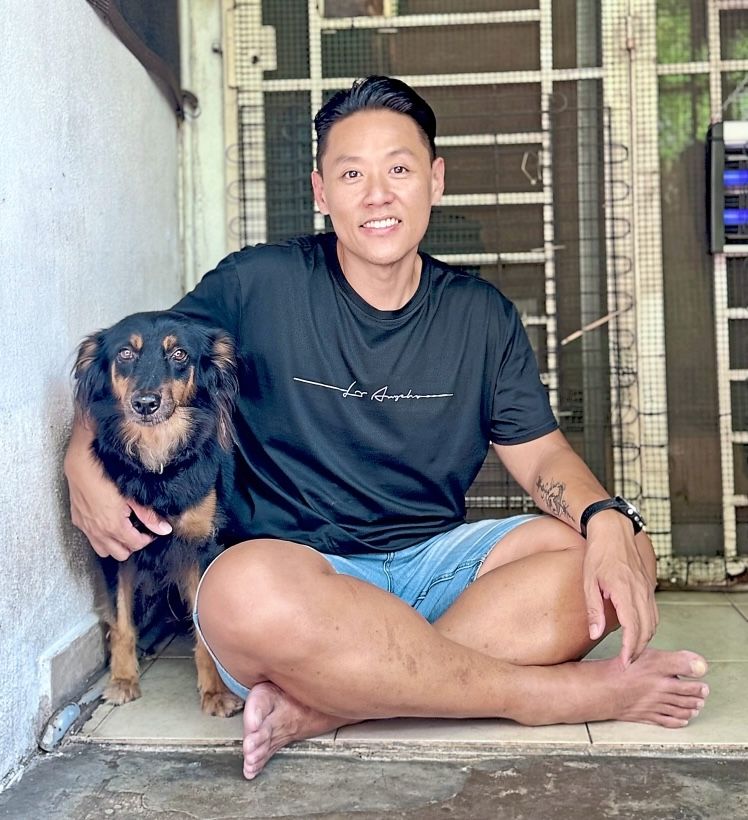
Three years ago, Benjamin Tan, a real estate negotiator based in Puchong, Selangor, attended a pet fair at Mid Valley Megamall with his family to identify a companion for Blacky, their ageing 12-year-old poodle. Rather than select themselves, they enlisted Brenda Chia, a rescue volunteer with Malaysian Dogs Deserve Better, to recommend a suitable match from the many abandoned animals awaiting adoption. Chia's choice fell upon Zudy, a small dog who immediately captured the family's affection.
What transpired in the weeks following Zudy's arrival at the Tan household, however, revealed the profound emotional scars the animal carried. The trembling that gripped Zudy from her first day suggested previous mistreatment or severe neglect. Benjamin Tan reflects soberly on those early encounters, observing that her constant shaking raised difficult questions about what hardships she had endured. The psychological distress manifested in behavioural challenges too—Zudy was so anxious during those initial days that she refused to eat, a common symptom of trauma in rescued animals. This reluctance to consume food underscored just how frightened the small dog felt in her new surroundings, despite the Tan family's genuine warmth and commitment to her welfare.
The rehabilitation process proved neither swift nor straightforward. For approximately nine months, Zudy continued to shake, her nervous system apparently unable to process safety even within the comfort of a loving home. Yet the family persisted with gentleness and patience, allowing the dog to gradually acclimate to her environment at her own pace. Slowly, imperceptibly at first, the physical manifestations of her anxiety began to fade. The tremors that had characterised Zudy's earliest weeks diminished, and her body began to relax into the rhythms of domestic life. This extended healing period illustrates an important reality for those considering rescue animals: recovery from trauma cannot be rushed, and emotional wounds often require far longer to mend than physical ones.
As Zudy's confidence grew, the Tan family made an unusual observation. Whereas most dogs communicate through a rich vocabulary of sounds—from huffing and whining to yipping, yelping, barking, and howling—their rescued companion remained eerily silent. Benjamin Tan initially wondered whether Zudy might be genuinely mute, incapable of vocalisation. Even at home, where she eventually felt secure enough to attempt communication, Zudy's efforts produced no audible sound. Tan noticed her opening her mouth and mimicking the barking behaviour of Blacky, their older dog, whenever delivery personnel or security guards approached the house, yet these gestures remained utterly soundless. This unusual silence initially prompted concern, though the family eventually accepted it as simply part of Zudy's personality.
With his rescuer now displaying greater ease in her surroundings, Benjamin Tan began taking Zudy to a nearby dog-friendly park for regular exercise. These outings proved transformative for her emotional development. Initially, Zudy would cling nervously to Tan's side, too apprehensive to venture far or interact with strangers. Yet through consistent exposure and patient encouragement, her wariness gradually softened. Over successive visits, she began to permit other park-goers to approach, first sniffing cautiously before accepting their presence. This gradual desensitisation to unfamiliar people and environments marked significant psychological progress for an animal whose previous experiences had apparently taught her that human contact was dangerous.
Approximately one year into her residence with the Tan family, an extraordinary development occurred. While Blacky barked at something outside, a second bark—this one considerably louder and more forceful—joined his. Benjamin Tan initially doubted his ears, convinced that such a robust vocalization could not possibly originate from their small, previously silent companion. Yet it had. Zudy had finally found her voice. From that pivotal moment onward, the dog who had arrived as a trembling, soundless creature began to express herself vocally with increasing confidence and frequency.
Today, Zudy has embraced her newfound capacity for communication with enthusiasm that occasionally requires gentle moderation from her owners. She now assists the aging Blacky in barking at security patrols, participates enthusiastically in household soundscapes by yapping at birds singing in the backyard, and has even embarked upon a hobby of hunting the lizards that frequented their garden. Benjamin Tan sometimes requests that she moderate her volume, a complaint that would have seemed inconceivable during those silent early months. This dramatic shift in her vocalisational behaviour suggests that her initial muteness may have stemmed not from physical incapacity but from psychological trauma so severe that she had suppressed even this basic form of expression.
Beyond her auditory transformation, Zudy has undergone equally remarkable changes in her behavioural confidence. The timid dog who once hid behind Benjamin Tan in the park now approaches social interactions with composure and grace. Rather than fleeing when strangers offer greetings, she seats herself politely and awaits their approach, displaying the measured confidence of an animal secure in her place in the world. When released to play freely in the park, she races about without hesitation or fear, her body language conveying the joy of an animal who understands herself to be safe.
Perhaps most remarkably, Zudy has developed a personality characterised by spirited assertiveness, particularly regarding her dinner schedule. The family has established an 8 PM feeding routine, a timing which Zudy has clearly committed to memory. Minor delays of a few minutes pose no problem, as the dog tolerates small variations with good humour. However, should the family become engrossed in other activities and the feeding time extends beyond thirty minutes, Zudy takes matters into her own paws. She approaches her owners and barks insistently, effectively summoning them to fulfil their obligation. And remarkably, her demands are always respected immediately—a small domestic arrangement that speaks volumes about her integration into the family's affections.
Zudy's journey from a rescue facility to a thriving family member encapsulates the transformative power of patient, unconditional care. Her initial terror, manifest in constant trembling and complete silence, gradually gave way to confidence, vocalisation, and even a degree of household authority. The Tan family's decision to adopt her through Malaysian Dogs Deserve Better, coupled with their refusal to view her quietness as a deficiency requiring correction, allowed this small dog to heal at her own pace and discover capacities she perhaps thought had been permanently damaged. Her story, while deeply personal to the Tan household, carries broader implications for animal rescue in Malaysia, demonstrating that even the most traumatised animals can recover, flourish, and contribute meaningfully to their family units. In Zudy's transformation from silent, shivering refugee to confident, vocal companion, there exists both a celebration of individual resilience and an affirmation of the responsibility that comes with offering a forever home.

